

WeVote

Bill

Bill

HRES 1458

Recognizing July 28, 2026, as "World Hepatitis Day".

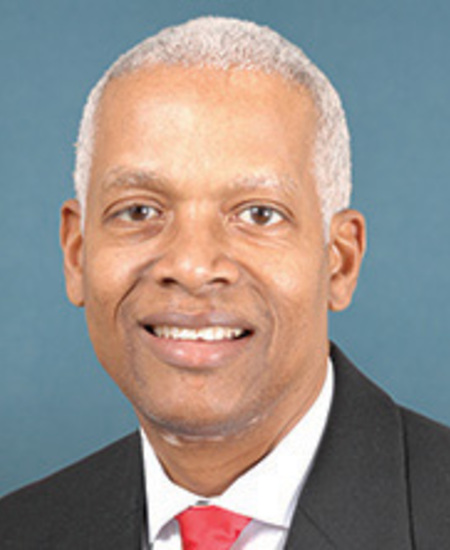
119th Congress Introduced by Hank Johnson and 1 co-sponsor

Declares July 28, 2026 as World Hepatitis Day and urges actions to increase hepatitis B vaccination and hepatitis C treatment to reduce infections and disparities.

Submitted in House
0
WeVote Research Nonpartisan
Bill Summary · HRES 1458

Overview

  • Bill: H.Res. 1458
  • Session: 119th Congress, 2nd Session
  • Title: Recognizing July 28, 2026, as “World Hepatitis Day”
  • Sponsor: Representative Nydia Velázquez (and co-sponsored by Hank Johnson)
  • Status: Referred to the House Committee on Energy and Commerce (as of July 23, 2026)

Main purpose and intent

  • Recognize and designate July 28, 2026, as “World Hepatitis Day.”
  • Highlight the global and domestic burden of hepatitis B and hepatitis C and their role as leading causes of liver cancer.
  • Promote awareness, education, prevention, testing, vaccination, and treatment strategies to reduce incidence and improve outcomes.
  • Call for a robust federal and public health response to protect and improve the health of Americans affected by hepatitis B and C.

Key provisions and changes

  • Formal recognition:
    • The House resolves to recognize World Hepatitis Day and to support awareness campaigns.
  • Support for access and treatment:
    • Endorses broad access to vaccination for hepatitis B and to treatments for hepatitis C.
    • Supports strategies to inform patients about available hepatitis treatments.
  • Public awareness and education:
    • Encourages comprehensive public education campaigns to identify at-risk individuals and people living with hepatitis.
    • Emphasizes the global dimension of chronic viral hepatitis epidemics and the importance of prevention.
  • Targeted public health actions:
    • Urges the Centers for Disease Control and Prevention (CDC) to partner with state and local health departments to develop strategies to:
    • Increase hepatitis B adult vaccination rates.
    • Increase hepatitis C treatment to levels necessary to eliminate new infections in the United States.
  • Acknowledgment of burden and equity considerations:
    • Acknowledges disproportionate impact on racial and ethnic groups (African Americans, Asian Americans, Native Americans, Pacific Islanders, Latinos, LGBTQ+ communities, and people who inject drugs) and the higher incidence among those groups.
    • Notes that a significant portion of infections are asymptomatic, underscoring the need for universal vaccination and screening measures.

Who and what is affected

  • Public health system:
    • Centers for Disease Control and Prevention (CDC)
    • State and local health departments
    • Community-based organizations involved in hepatitis outreach, testing, vaccination, and linkage to care
  • Population groups:
    • Individuals living with hepatitis B and/or hepatitis C in the United States
    • Adults aged 18–59 (for vaccination recommendations) and adults 18+ (for screening recommendations)
    • People who inject drugs and communities disproportionately affected by hepatitis
  • Health services and funding:
    • Emphasis on improving access to vaccination, testing, and antiviral treatments for hepatitis B and C

Procedural and timeline aspects

  • Legislative action:
    • Introduced in the House on July 23, 2026 and referred to the Committee on Energy and Commerce.
  • Nature of instrument:
    • A House resolution (non-binding, commemorative) recognizing World Hepatitis Day and outlining recommended actions.
  • Expected activities following passage:
    • Would encourage federal, state, and local health agencies to implement strategies to increase vaccination and treatment coverage, and to raise public awareness ahead of and on World Hepatitis Day, July 28, 2026. The resolution itself does not mandate new funding or regulatory changes, but it signals congressional support for stronger hepatitis prevention and treatment efforts.

Significance

  • Aligns with global health milestones and WHO’s focus on eliminating viral hepatitis as a public health threat by 2030.
  • Highlights the preventable nature of hepatitis B and C through vaccination, harm-reduction services, testing, and access to cure/treatment.
  • Addresses health disparities and access barriers that contribute to higher disease burden among certain populations.

Compiled from official sources — confirm details with the bill’s official record.

Sign in to ask a question.