

Bill

BILL • US HOUSE

HR 2283

Recognizing Community Organizations for Veteran Engagement and Recovery Act

119th Congress
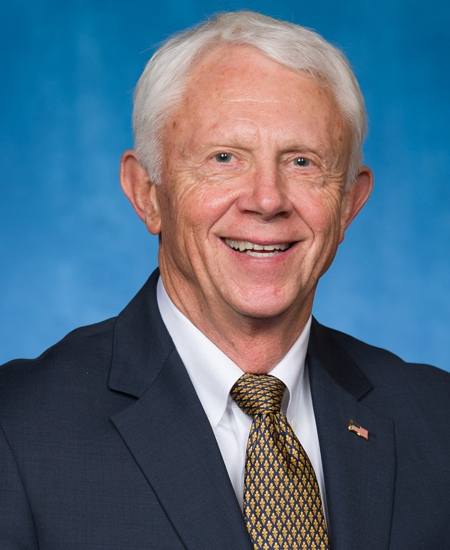
Introduced by Jack Bergman, Mike Bost, Buddy Carter and 1 other co-sponsors

The RECOVER Act boosts support for veterans by recognizing community organizations, enhancing their resources, and improving services for recovery and reintegration.

Introduced in House
0
0
Bill Summary • HR 2283

Summary of HR 2283: Recognizing Community Organizations for Veteran Engagement and Recovery Act

Bill Number: HR 2283

Introduced On: March 24, 2025

Status: Introduced in House

Classification: Bill

Purpose and Intent

The Recognizing Community Organizations for Veteran Engagement and Recovery Act, also known as the RECOVER Act, aims to enhance the support and resources available to veterans through the recognition and engagement of community organizations. The bill seeks to formalize the role of these organizations in assisting veterans with their recovery and reintegration into civilian life.

Key Provisions

While the full text of the bill is not provided, the title and intent suggest several potential provisions that may be included:

  • Recognition of Community Organizations: The bill likely establishes criteria for recognizing community organizations that provide services to veterans, thereby enhancing their credibility and ability to attract funding and support.

  • Support for Veteran Engagement: It may outline mechanisms for these organizations to engage veterans effectively, ensuring that their programs meet the specific needs of the veteran population.

  • Funding Opportunities: The legislation could include provisions for grants or funding opportunities to support recognized organizations in their efforts to assist veterans.

  • Collaboration with Government Agencies: The bill may encourage partnerships between community organizations and government agencies to streamline services and resources for veterans.

Who Would Be Affected

  • Veterans: The primary beneficiaries of this legislation would be veterans seeking support for recovery and reintegration into society. Enhanced services from recognized community organizations could lead to improved mental health, employment opportunities, and social integration.

  • Community Organizations: Nonprofits and local organizations that work with veterans would be directly impacted, as they may gain formal recognition and access to additional resources and funding.

  • Government Agencies: Agencies involved in veteran affairs may need to adapt their processes to collaborate with recognized community organizations, potentially leading to a more integrated approach to veteran services.

Procedural Aspects

  • Committee Review: The bill was referred to the House Committee on Veterans' Affairs on the same day it was introduced. This committee will review the bill and may hold hearings to gather input from stakeholders before it is brought to the floor for a vote.

  • Next Steps: Following committee review, the bill may be amended, and if it passes out of committee, it will be scheduled for debate and a vote in the House of Representatives.

Conclusion

The Recognizing Community Organizations for Veteran Engagement and Recovery Act represents an important step towards enhancing the support systems available to veterans through community engagement. By recognizing and empowering local organizations, the bill aims to improve the overall effectiveness of veteran services and promote successful reintegration into civilian life. Further developments will depend on the legislative process and the outcomes of committee discussions.

Hi! I'm your AI assistant for HR 2283. I can help you understand its provisions, impacts, and answer any questions.

Key Provisions Impacts Timeline
Sign in to chat