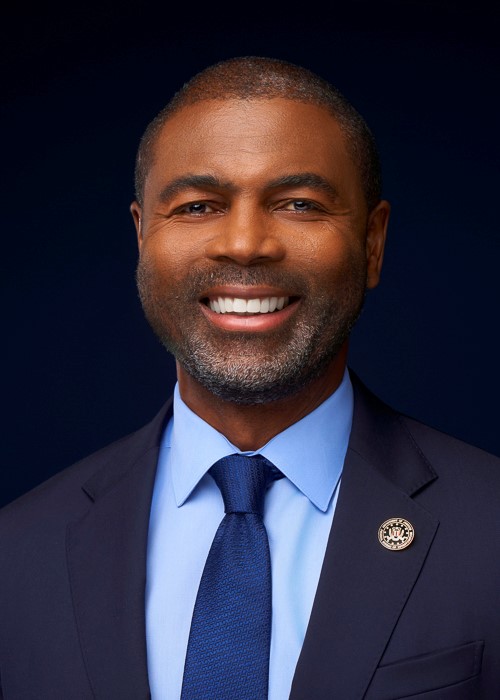
Summary — HR 532 (RECOGNIZES‑OFFICE OF ILAG)
Status: Referred to Rules Committee (most recent referral 2025‑10‑29)
Introduced: January 16, 2025
Classification: House Resolution (ceremonial)
Primary Sponsors / Contributors: Rep. La Shawn K. Ford (filed Oct 28, 2025); other listed sponsors include Jamie Raskin, Park Cannon, Mary Ann Santos, Marvin Lim, Gabriel Sanchez, Karen Lupton, Jahana Hayes (cosponsor).
Companion bill: S 123
Note on source materials
- The legislative text package provided appears to contain two distinct ceremonial resolutions combined in one file: (1) an Illinois House Resolution recognizing the Office of the Illinois Attorney General and (2) a Georgia House Resolution honoring Johanna Caicedo. The bill title and most procedural history correspond to the Illinois resolution (recognition of the Illinois Attorney General’s Office). This summary focuses on the Illinois‑titled resolution (RECOGNIZES‑OFFICE OF ILAG).
Purpose and intent
- HR 532 is a non‑binding, ceremonial resolution that publicly recognizes and commends the Office of the Illinois Attorney General (led by Attorney General Kwame Raoul) for its litigation and legal work defending Illinois residents’ civil liberties, state sovereignty, and democratic institutions against federal actions the resolution characterizes as overreaching.
Key provisions and language
- Praises the Office of the Illinois Attorney General and Attorney General Kwame Raoul for:
- Using litigation to defend due process, equal protection, and state/federal constitutional principles.
- Bringing high‑profile litigation, including Illinois v. Trump — described in the text as challenging the federal government’s attempted deployment/federalization of the National Guard in Illinois and raising issues under 10 U.S.C. § 12406, the Posse Comitatus Act, and the Tenth Amendment.
- Pursuing immigration‑related and other lawsuits to preserve state and local authority and protect federal funding and residents’ rights.
- Asserts that litigation has been a primary means of protecting democracy and civil liberties in the recent period addressed by the resolution.
- Encourages the Attorney General’s Office to continue necessary litigation to defend democracy and civil liberties.
- Directs that suitable copies of the resolution be delivered to Attorney General Kwame Raoul and the Office of the Illinois Attorney General.
Who is affected / implications
- Legal effect: None — HR 532 is a resolution expressing the sense of the Illinois House of Representatives; it does not create legal obligations, appropriations, or changes to statutes.
- Practical effect: Symbolic recognition that may bolster public and political support for the Attorney General’s litigation strategy; signals the General Assembly’s approval of the Attorney General’s use of state‑level litigation to contest federal actions.
- Stakeholders: Office of the Illinois Attorney General (recipient of commendation); Illinois residents whose interests are described as being defended; state and federal policymakers and courts involved in the referenced litigation.
Procedural / timeline highlights (from provided actions)
- Introduced in House: 2025‑01‑16; referred to House Committee on the Judiciary (same day).
- Multiple House procedural steps listed in March–April 2025: filed, read, adopted (3/31/2025), reported enrolled (4/1/2025).
- Filed with Clerk by Rep. La Shawn K. Ford on 2025‑10‑28; referred to Rules Committee 2025‑10‑29 (most recent status in the record).
Bottom line
- HR 532 is a ceremonial resolution from the Illinois House recognizing and commending the Office of the Illinois Attorney General and Attorney General Kwame Raoul for litigation efforts defending state sovereignty, civil liberties, and democratic processes — notably citing Illinois v. Trump. It has no force of law but publicly endorses and encourages the continuation of the Office’s court‑based strategies.