

WeVote

Bill

Bill

HR 7092

RAYS Act

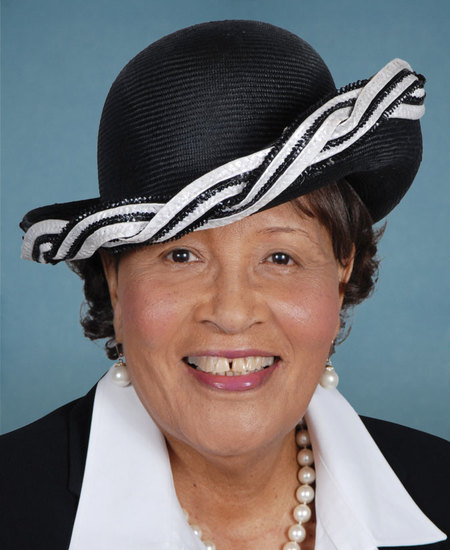
119th Congress Introduced by Alma Adams and 5 co-sponsors

The RAYS Act would establish or modify federal education and workforce programs, shaping funding, eligibility, and accountability across schools and related initiatives.

Introduced in House
0
WeVote Research Nonpartisan
Bill Summary · HR 7092

Summary of HR 7092 (119th Congress) – RAYS Act

Primary purpose and intent

  • The bill is titled the RAYS Act. While the provided information does not include the full text, the name suggests it may focus on issues related to a specific program, policy area, or set of requirements abbreviated as “RAYS.” The summary below is based on the bill’s introduction and committee referral details. For precise statutory language, consult the bill text.

Key provisions and changes (as typically outlined for a bill with a formal title)

  • Introduced in the House and referred to the Committee on Education and the Workforce. This indicates the bill’s provisions likely involve federal policy affecting education, workforce development, or related programs.
  • As a bill introduced with multiple sponsors, the RAYS Act may propose:
    • Establishing new federal programs or grant authorities, or
    • Modifying, expanding, or renaming existing programs administered by the Department of Education or related agencies, or
    • Introducing required reporting, accountability, or evaluation mechanisms tied to a specific policy area.
  • The precise statutory changes (dollar authorities, enrollment requirements, eligibility criteria, funding formulas, performance metrics, regulatory waivers, or timelines) would be defined in the bill text.

Affected parties and scope

  • Primary audience likely includes:
    • Students, educators, and school districts if the bill relates to education programs.
    • Employers, workforce development entities, and job training providers if the bill touches workforce initiatives.
    • Federal agencies administering the relevant programs.
  • Given the committee referral to Education and Workforce, the bill would impact public education funding, program administration, or workforce development initiatives at the federal level, with potential state and local implementation requirements.

Procedural and timeline aspects

  • Action history:
    • January 15, 2026: Introduced in the House.
    • January 15, 2026: Referred to the House Committee on Education and the Workforce.
  • Next steps (typical for a House bill):
    • Committee consideration, markup, and potential amendments.
    • If approved, passage by the full House followed by Senate consideration (and potential conference). Timeline depends on legislative priorities and floor activity.
  • No specific funding authorization, deadline, or transition timeline is available in the provided summary; these details would be specified in the bill’s text and accompanying analyses.

Sponsors

  • Co-sponsors include:
    • Mike Lawler
    • Ryan Mackenzie
    • Jim Moylan
    • Troy Carter
    • Sarah McBride
    • Alma Adams
  • Bipartisan and diverse sponsor group suggests attention to education and workforce themes across party lines.

Notes for readers

  • A precise understanding of the RAYS Act requires the full text to identify:
    • The exact policy goals (e.g., program creation, funding levels, eligibility).
    • Specific statutory amendments or new authorities.
    • Funding sources, duration, and reporting requirements.
    • Any associated regulatory or implementation deadlines.
  • For stakeholders, monitor the Committee on Education and the Workforce’s hearings and any released summaries or impact analyses to gauge real-world effects.

Compiled from official sources — confirm details with the bill’s official record.

Sign in to ask a question.