

WeVote

Bill

Bill

HB 217

Random hand count audits of election results.

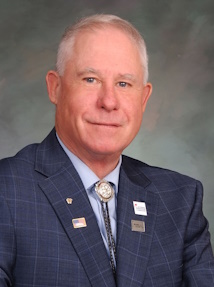
2025 Regular Session Introduced by Bill Allemand and 9 co-sponsors

HB 217 adopts the Interstate Counseling Licensure Compact, enabling counselors to practice across member states (telehealth) with portable licenses and shared disciplinary data.

H:Died in Committee Returned Bill Pursuant to HR 5-4
0
WeVote Research Nonpartisan
Bill Summary · HB 217

Summary — HB 217: Counseling Licensure Compact

Status: Action postponed indefinitely
Introduced: (listed) August 18, 2025
Subject areas: Health & health facilities; licensure; mental health & developmental disabilities

Purpose

HB 217 would adopt the Interstate Counseling Licensure Compact (the “Counseling Compact”) for the state. The Compact is intended to facilitate interstate practice by licensed professional counselors (including licensed mental health counselors), increase access to counseling services (especially via telehealth), improve portability for military spouses and relocating counselors, and enhance cooperation and information sharing among state licensing authorities while preserving each state’s regulatory authority.

Key provisions

  • Creates membership framework and definitions:
    • Home state = licensee’s primary state of residence.
    • Remote state = other member state(s) where a licensee seeks to practice.
    • Counseling Compact Commission = governing body of member states.
  • Eligibility requirements for member states:
    • Must license and regulate professional counselors.
    • Require licensure applicants to pass a nationally recognized exam.
    • Require a master’s degree in counseling meeting Compact curriculum standards (Compact text specifies 60 graduate semester hours).
    • Require supervised postgraduate professional experience and an investigation/complaint system.
  • Requirements for licensees practicing under the Compact:
    • Maintain an unencumbered home-state license.
    • Have no license restrictions in the preceding 2 years.
    • Retain home-state licensure while using Compact privileges.
    • Notify the Commission when seeking to practice in a remote state and pay any required fees.
    • Comply with continuing education and reporting obligations (including reporting adverse actions).
  • Enforcement and discipline:
    • Remote states may take adverse action against a licensee practicing in their jurisdiction.
    • Home states must give reported conduct from other member states the same priority as local conduct (subject to Compact provisions).
  • Data sharing and governance:
    • Commission-operated coordinated database for licensure, adverse actions, and investigative information.
    • Commission may assess member states to fund its operations.

Who would be affected

  • Primary: Licensed professional counselors (LPCs/LMHCs) — expanded ability to provide services across member states, including telehealth.
  • State licensing board(s): administrative rule changes, systems and process updates, new duties (data reporting, responding to Commission inquiries, processing adverse action referrals).
  • Consumers/patients: potentially increased access to providers, particularly in underserved and rural areas.
  • Employers/health systems/insurers: potential changes in network/provider availability and credentialing.

Fiscal and administrative impact (as estimated in a state fiscal note)

  • One-time IT/system update to accept interstate licensees: ~$40,000 (Regulation & Licensing Department estimate).
  • Ongoing costs: travel to annual Commission meetings (~$8,000/year estimated); potential Commission assessments to cover operating costs (amounts TBD).
  • Additional administrative costs for processing adverse actions, background checks/fingerprinting, and possible rulemaking.
  • The state licensing board may need to amend statutes/rules where current education requirements differ from Compact core requirements (example: Compact requires 60 graduate hours; an existing board rule cited in analysis required 48).

Procedural / timeline notes

  • Compact only becomes operative for a state after it enacts the Compact and the Commission achieves any required minimum number of member states (nationally, as of 2025, about 37 states had enacted the Counseling Compact).
  • The bill as analyzed contained no specific effective date; absent a provision, it would become effective 90 days after adjournment (document example gave June 20, 2025, as a reference).
  • Current local status: the bill’s recorded status for this jurisdiction is “action postponed indefinitely,” so it is not moving forward at present.

Practical implications and considerations

  • To participate, the state may need to align its education/licensure standards (credit hours, supervision, exam) and implement federal background check/fingerprinting requirements.
  • Participation should improve access to care (telehealth and cross‑state practice) but brings obligations: IT/system changes, data exchange, possible Commission dues, and administrative workload related to discipline and investigations.

If you’d like, I can:
- Extract the exact Compact statutory text and produce a side‑by‑side comparison with current state counseling licensure requirements to identify specific statutory amendments needed; or
- Draft a short fiscal checklist for the licensing board identifying steps and estimated costs to implement the Compact.

Compiled from official sources — confirm details with the bill’s official record.

Sign in to ask a question.