

WeVote

Bill

Bill

HRES 454

Raising concern about the constitutional reforms in Mexico.

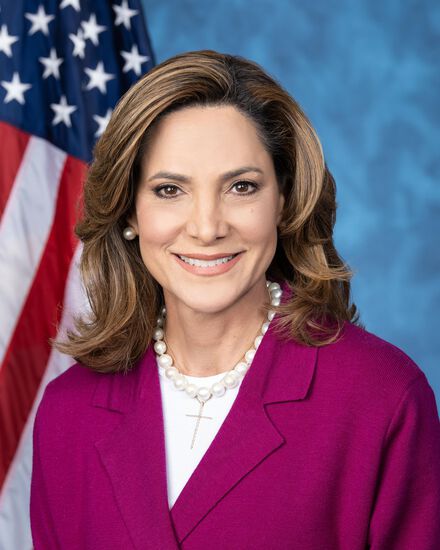
119th Congress Introduced by María Salazar and 1 co-sponsor

The resolution expresses concern that Mexico’s constitutional reforms could weaken democratic institutions, rule of law, and US–Mexico cooperation under USMCA.

Submitted in House
0
WeVote Research Nonpartisan
Bill Summary · HRES 454

Summary of HRES 454 — Raising concern about the constitutional reforms in Mexico

Quick facts

  • Bill Number: HRES 454
  • Title: Raising concern about the constitutional reforms in Mexico
  • Type: House Resolution (non-binding)
  • Status: Submitted in the House; referred to the Committee on Foreign Affairs
  • Introduced: May 29, 2025
  • Sponsors:
    • Primary: Greg Stanton
    • Cosponsor: Maria Elvira Salazar

Purpose and intent

HRES 454 expresses Congressional concern regarding Mexico’s recent constitutional reforms and related secondary legislation. The resolution asserts that these reforms could have adverse long-term effects on Mexico’s democratic institutions, the separation of powers, judicial independence and transparency, and national security. It also argues that the reforms may undermine Mexico’s electoral system, the National Guard, and independent oversight agencies. The resolution further contends that the reforms could conflict with United States–Mexico–Canada Agreement (USMCA) commitments and thereby jeopardize shared economic and security interests. Finally, it reaffirms the United States’ commitment to a robust, respectful bilateral relationship with Mexico.

Key provisions and changes (as introduced)

The operative statements of the resolution can be summarized as four main points:

  1. Concerns about long-term impact: The House raises concern that the constitutional reforms and related secondary legislation would negatively affect democratic institutions, the separation of powers, judicial independence and transparency, and security in Mexico, while undermining the electoral system, the National Guard, and independent oversight bodies.
  2. USMCA commitments: The resolution expresses deep concern that the reforms may contradict commitments under the USMCA, potentially jeopardizing shared economic and security interests and weakening North American economic integration.
  3. Impact on bilateral priorities: It underscores that aspects of the reform package could undermine joint U.S.–Mexico efforts to strengthen the rule of law, counter organized crime, and address fentanyl, human trafficking, and arms trafficking, among broader bilateral priorities.
  4. Bilateral relationship: It reaffirms the United States’ commitment to a robust and mutually respectful relationship with the sovereign nation of Mexico.

Potential impact and implications

  • Diplomatic signaling: As a non-binding resolution, it does not change law or authorize spending, but it publicly signals Congress’s policy stance and concerns regarding Mexico’s reform process.
  • Mexico–U.S. relationship: The resolution is likely to influence diplomatic rhetoric and could shape future conversations, negotiations, or leverage related to security cooperation, rule-of-law initiatives, and trade-related commitments under USMCA.
  • Policy framing: It frames constitutional reforms in Mexico as a bilateral issue tied to shared security and economic interests, which may inform hearings, briefings, or executive-branch diplomacy.

Who is affected

  • Mexico: The resolution centers on reforms to Mexico’s constitution and related secondary laws and their perceived effects on institutions and governance.
  • United States interests: U.S. policy priorities in rule of law, counter-narcotics efforts, trafficking prevention, and the integrity of USMCA-related commitments.
  • Bilateral institutions: The U.S. Congress and U.S. foreign policy machinery (e.g., the Executive Branch’s diplomatic dialogue with Mexico) may use this resolution to guide discussions and oversight.

Procedural history and next steps

  • Introduced in the House on May 29, 2025.
  • Referred to the House Committee on Foreign Affairs for consideration and potential markup.
  • As a resolution, it would require no further action to become law; it remains a non-binding expression of Congress’s views and intentions.

Sponsorship notes

  • Primary sponsor: Greg Stanton
  • Cosponsor: Maria Elvira Salazar

This summary captures the essential purpose, provisions, and potential impact of HRES 454 as introduced. It does not reflect any amendments that may be added during committee or floor consideration.

Compiled from official sources — confirm details with the bill’s official record.

Sign in to ask a question.