

WeVote

Bill

Bill

HRES 239

Raising awareness of the racial disparities in the impact of colorectal cancer on the Black community.

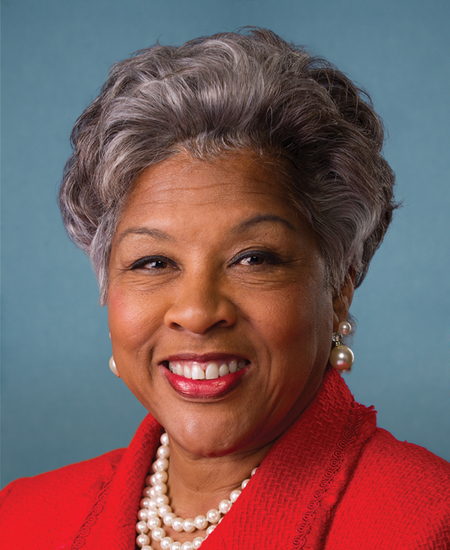
119th Congress Introduced by Joyce Beatty and 10 co-sponsors

Urges federal and state action to close colorectal cancer screening gaps and study factors behind disparities, promoting earlier, recommended screening for at-risk groups.

Submitted in House
0
WeVote Research Nonpartisan
Bill Summary · HRES 239

Summary of HRES 239

Overview

HRES 239 is a House of Representatives resolution introduced on March 21, 2025. It expresses recognition of the impact of colorectal cancer on Americans, highlights racial disparities affecting the Black community, and urges federal and state actions to address screening gaps and research into contributing factors. As a resolution, it expresses intent and guidance rather than creating new law or funding.

Purpose and Intent

  • Acknowledge the deadly impact of colorectal cancer on the American population.
  • Acknowledge racial disparities in colorectal cancer experience and outcomes within the Black community.
  • Encourage federal agencies and state policies to address disparities through research, screening recommendations, and coverage decisions.
  • Promote increased awareness of colorectal cancer screening per USPSTF guidance.

Key Provisions

  1. Recognition of the deadly impact of colorectal cancer on Americans.
  2. Acknowledgment of racial disparities in colorectal cancer affecting the Black community.
  3. Encouragement for the CDC to:
    • Continue and expand efforts to identify factors behind racial disparities in colorectal cancer screening.
    • Develop effective strategies to reduce and ultimately eliminate disparities in colorectal screening.
  4. Encouragement for all people to pursue colorectal cancer screening when advised by the United States Preventive Services Task Force (USPSTF).
  5. Encouragement for the CDC to conduct research on environmental factors, and for the NIH to conduct research on physiological factors that elevate colorectal cancer risk in young adults.
  6. Urging state health plans to quickly adopt measures to cover colorectal screenings at younger ages, with special consideration for the Black community and others at higher risk.

Legislative Actions and Status

  • Introduced: March 21, 2025.
  • Referred to: House Committee on Energy and Commerce.
  • Status: Submitted in the House; referred to committee on the same day as introduction.
  • Sponsors:
    • Primary sponsor: Bonnie Watson Coleman
    • Cosponsors: Sydney Kamlager-Dove, Jahana Hayes, Gregory W. Meeks, Joyce Beatty, Eleanor Holmes Norton, Yvette D. Clarke, Ayanna Pressley, Bennie G. Thompson, Steve Cohen, Terri A. Sewell

Who/What Is Affected

  • Federal agencies: Centers for Disease Control and Prevention (CDC) and National Institutes of Health (NIH) are highlighted for expanded research and programmatic emphasis.
  • Public health policy: Encourages action on screening recommendations and targeted research into factors contributing to disparities.
  • State health plans: Encouraged to adjust coverage policies to lower the age for colorectal cancer screening, prioritizing Black communities and high-risk groups.

Procedural and Timeline Considerations

  • As a House resolution, the measure expresses intent and guidance rather than creating enforceable law or mandatory funding.
  • No specific funding or implementation timeline is provided within the text of the resolution.
  • The action item is to prompt consideration and potential future policy development by federal agencies and state health programs.

Potential Impact

  • Raises awareness of racial disparities in colorectal cancer and may influence future funding and policy priorities for CDC and NIH.
  • Could accelerate research into environmental and physiological factors affecting young adults and racial disparities.
  • Might prompt state-level policy changes to expand screening coverage at younger ages, with a focus on at-risk populations.

If you’d like, I can tailor this summary for a briefing memo or a public-facing explainer with a concise Q&A section.

Compiled from official sources — confirm details with the bill’s official record.

Sign in to ask a question.