

WeVote

Bill

Bill

S 1692

Radiology Outpatient Ordering Transmission (ROOT) Act

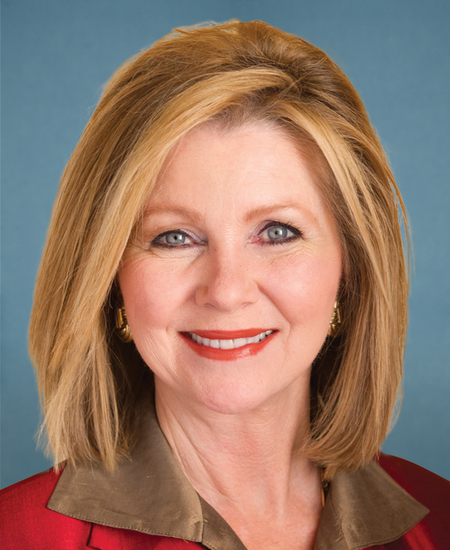
119th Congress Introduced by Marsha Blackburn and 4 co-sponsors

Bill S 1692 enhances commissaries in correctional facilities, ensuring affordable access to diverse goods for inmates, promoting better living conditions and rehabilitation.

Introduced in Senate
1
WeVote Research Nonpartisan
Bill Summary · S 1692

Summary of Bill S 1692: Commissaries and Canteens at Correctional Institutions

Bill Number: S 1692
Title: Relates to commissaries and canteens at correctional institutions
Status: Referred to Ways and Means
Introduced: January 13, 2025
Classification: Bill

Purpose and Intent

Bill S 1692 aims to regulate and enhance the operations of commissaries and canteens within correctional institutions. The primary intent of the bill is to improve the availability and accessibility of goods for incarcerated individuals, thereby promoting better living conditions and potentially aiding in rehabilitation efforts.

Key Provisions

The bill includes several significant provisions, which may include but are not limited to:

  • Operational Standards: Establishes guidelines for the operation of commissaries and canteens, ensuring they meet certain quality and accessibility standards.
  • Product Availability: Mandates a diverse range of products to be offered, including hygiene items, food, and other necessities, to cater to the needs of the incarcerated population.
  • Pricing Regulations: Implements regulations on pricing to prevent excessive markups on goods sold within these facilities, ensuring affordability for inmates.
  • Health and Safety Compliance: Requires that all products sold comply with health and safety standards to protect the well-being of inmates.

Impact

Who Would Be Affected

  • Incarcerated Individuals: The primary beneficiaries of this bill would be inmates, who would gain improved access to essential goods and services.
  • Correctional Facilities: The bill would require adjustments in the operations of correctional facilities, including potential changes in procurement and inventory management.
  • Staff and Administration: Staff members may need training on the new regulations and standards set forth by the bill.

Broader Implications

The bill could contribute to a more humane correctional environment, potentially aiding in the rehabilitation of inmates by providing them with necessary resources. Improved commissary operations may also reduce tensions within facilities by addressing basic needs.

Legislative Timeline

  • January 13, 2025: Bill introduced and referred to the Committee on Crime Victims, Crime and Correction.
  • February 25, 2025: First report calendar.
  • February 26, 2025: Second report calendar.
  • March 3, 2025: Advanced to third reading.
  • May 14, 2025: Amended on third reading (version 1692A).
  • May 22, 2025: Passed in the Senate and delivered to the Assembly, where it was referred to the Ways and Means Committee.

Related Bills

  • S 3473: Prior session bill addressing similar issues.
  • S 1051: Prior session bill with related provisions.
  • S 1744: Another prior session bill concerning correctional facilities.
  • A 2592: Companion bill in the Assembly.

This summary provides an overview of Bill S 1692, outlining its purpose, key provisions, and potential impacts on the correctional system and its inhabitants.

Compiled from official sources — confirm details with the bill’s official record.

Sign in to ask a question.