

WeVote

Bill

Bill

HR 5151

Quiet Communities Act of 2025

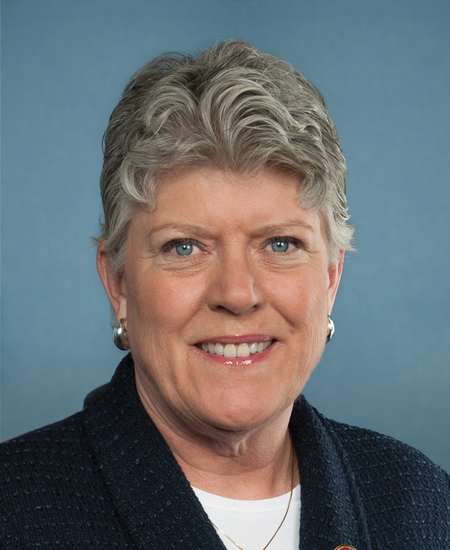
119th Congress Introduced by Julia Brownley and 24 co-sponsors

The Quiet Communities Act of 2025 establishes federal noise standards and funding to help local governments reduce noise pollution, improving residents' quality of life.

Introduced in House
0
WeVote Research Nonpartisan
Bill Summary · HR 5151

Summary of HR 5151: Quiet Communities Act of 2025

Purpose and Intent

The Quiet Communities Act of 2025 aims to address noise pollution in residential areas, promoting healthier living environments and enhancing the quality of life for residents. The bill seeks to establish federal guidelines and support for communities to manage and reduce excessive noise from various sources, including transportation, industrial activities, and recreational facilities.

Key Provisions

The bill includes several important provisions designed to mitigate noise pollution:

  • Establishment of Noise Standards: The bill mandates the development of federal noise standards that local governments can adopt to regulate noise levels in their communities.

  • Funding for Noise Mitigation Projects: It proposes the allocation of federal funds to support local initiatives aimed at reducing noise pollution. This may include sound barriers, landscaping, and other noise-reducing infrastructure.

  • Community Engagement: The legislation encourages local governments to engage with residents in identifying noise issues and developing solutions tailored to their specific needs.

  • Research and Data Collection: The bill calls for the establishment of a national database to collect data on noise pollution and its effects on public health, which will inform future policy decisions.

  • Collaboration with Agencies: It promotes collaboration between federal, state, and local agencies to ensure a comprehensive approach to noise management.

Who Would Be Affected

The Quiet Communities Act of 2025 would primarily impact:

  • Residents: Individuals living in urban and suburban areas who are affected by noise pollution from traffic, construction, and other sources.

  • Local Governments: Municipalities that will need to implement the new noise standards and may receive funding for noise mitigation projects.

  • Businesses and Industries: Companies that produce noise as part of their operations may need to comply with new regulations and standards.

  • Public Health Officials: Health professionals who will benefit from research data on the impacts of noise pollution on community health.

Procedural Aspects

  • Introduced Date: The bill was introduced in the House on September 4, 2025.

  • Committee Referrals: It has been referred to the Committee on Energy and Commerce and the Committee on Transportation and Infrastructure for further consideration. The timeline for these committees to review the bill will be determined by the Speaker of the House.

Conclusion

The Quiet Communities Act of 2025 represents a significant step towards addressing the growing concern of noise pollution in communities across the United States. By establishing federal standards and providing resources for local initiatives, the bill aims to foster quieter, healthier living environments for all residents.

Compiled from official sources — confirm details with the bill’s official record.

Sign in to ask a question.