

WeVote

Bill

Bill

SB 36

QUANTUM FACILITY INFRASTRUCTURE TAX CREDIT

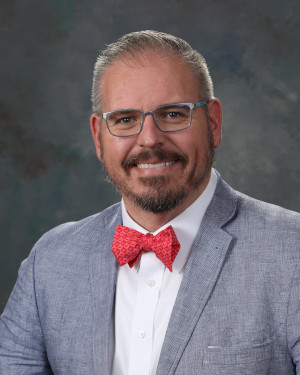
2026 Regular Session Introduced by Josh Hernandez and 1 co-sponsor

New Mexico bill proposes tax credits for quantum computing facility investments to attract technology companies and research operations to the state.

action postponed indefinitely
0
WeVote Research Nonpartisan
Bill Summary · SB 36

Legislative bill overview

SB 36 proposes a tax credit for businesses that invest in quantum computing facilities and infrastructure in New Mexico. The bill aims to attract quantum technology companies and research institutions to the state by reducing their tax burden on capital investments in quantum-related infrastructure.

Why is this important

Quantum computing represents a frontier technology with potential applications across cryptography, drug discovery, materials science, and artificial intelligence. States that successfully attract quantum facilities could generate high-skilled jobs, research partnerships with universities, and position themselves as innovation hubs in an emerging industry. New Mexico has existing scientific research institutions (like Los Alamos National Laboratory) that could benefit from complementary private quantum sector development.

Potential points of contention

  • Cost to state revenue: Tax credits reduce general fund revenues without guaranteed return on investment; the long-term fiscal impact depends on whether quantum companies actually locate in New Mexico and generate offsetting economic activity
  • Specificity of definition: "Quantum facility" may be vaguely defined, potentially allowing businesses to claim credits for tangential investments rather than genuine quantum infrastructure development
  • Equity concerns: Tax incentives for emerging technology sectors may benefit wealthy investors and corporations while providing limited direct benefit to average New Mexico residents, and may divert resources from other priorities like education or healthcare

Compiled from official sources — confirm details with the bill’s official record.

Sign in to ask a question.