

WeVote

Bill

Bill

SB 1031

Public utilities: rates; use of actual cost for setting utility rates; require. Amends sec. 6a of 1939 PA 3 (MCL 460.6a).

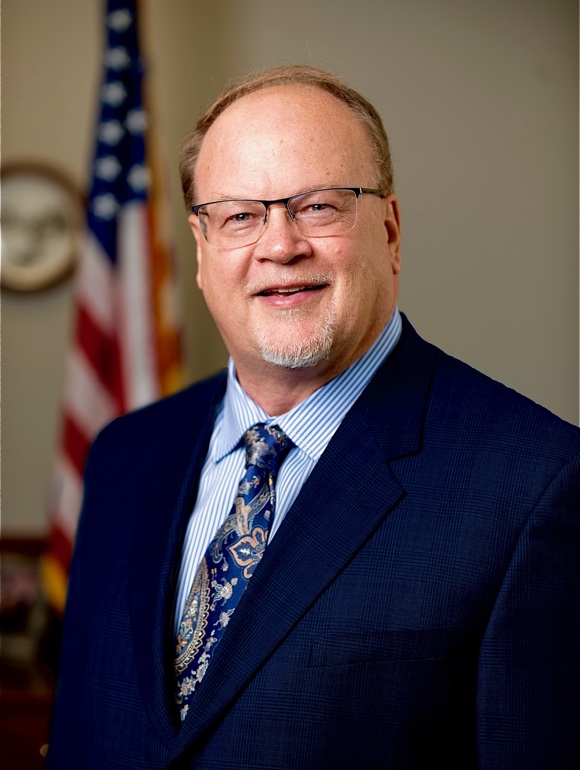
2025-2026 Regular Session Introduced by Jim Runestad

SB 1031 requires Michigan utilities to base rate requests strictly on actual costs, improving transparency and aligning charges with verifiable expenditures.

REFERRED TO COMMITTEE ON ENERGY AND ENVIRONMENT
0
WeVote Research Nonpartisan
Bill Summary · SB 1031

Bill Summary: SB 1031 (Michigan, 2025-2026)

Purpose and intent

SB 1031 seeks to reform how public utilities in Michigan set their rates by requiring the use of actual costs in the rate-setting process. The bill amends section 6a of 1939 PA 3 (MCL 460.6a) to constrain how utilities determine and recover costs from customers, with the overarching goal of more accurately reflecting true, verifiable expenses in rates charged to ratepayers.

Key provisions and changes

  • Rate-setting methodology: The bill requires that utility rate calculations be based on actual costs rather than projections, estimations, or other techniques that may deviate from real expenditures.
  • Scope of application: Applies to public utilities regulated under Michigan’s utility framework, affecting how they compute and justify rates charged to customers.
  • Cost components covered: The focus is on all elements that constitute actual costs used to justify rates, including operations, maintenance, capital investments, and other recoverable expenses, subject to the clarified standard of “actual cost.”
  • Regulatory alignment: The change would modify the statutory basis for rate filings and presentations to the Michigan Public Service Commission (or relevant regulatory body) to ensure rate requests reflect verifiable, actual expenditures.

Who would be affected

  • Public utilities operating in Michigan, including electric, gas, water, and other regulated sectors subject to rate regulation.
  • Ratepayers (customers): Potentially benefit from more accurate, cost-based rates and improved transparency in how charges are determined.
  • Regulators: The Michigan Public Service Commission would administer and enforce the revised standard, reviewing rate filings to ensure compliance with “actual cost” requirements.

Procedural and timeline aspects

  • Introduction and referral: Introduced on June 10, 2026, by Senator Jim Runestad and co-sponsored by Senator Runestad.
  • Committee action: Referred to the Committee on Energy and Environment (as of the latest available action). The bill will progress through committee hearings, potential amendments, and eventual floor consideration in the Senate, followed by the House if passed by the Senate.
  • Effective date: The summary does not specify an effective date; the bill would establish when the new standard takes effect upon enactment, with transition guidance to be determined during legislative drafting or through regulatory rules.

Potential impacts and considerations

  • Rate stability and predictability: By anchoring rate requests to actual costs, rate outcomes may become more stable and reflective of real utility expenditures.
  • Transparency: Customers and stakeholders could benefit from greater clarity around the cost components underlying rates.
  • Regulatory workload: Utility filings and PSC reviews may become more data-intensive, requiring robust accounting for actual costs.
  • Investor and utility considerations: Utilities may need to adjust accounting practices, data collection, and reporting to demonstrate compliance with the actual-cost standard.

If you’d like, I can compare SB 1031 to current law (MCL 460.6a) to highlight exact statutory changes and provide a side-by-side note on compliance requirements.

Compiled from official sources — confirm details with the bill’s official record.

Sign in to ask a question.