Summary — HB 2952 (Equitable Restrooms Act amendment: Baby Changing Stations)
Status snapshot
- Jurisdiction: Illinois (amends the Equitable Restrooms Act, 410 ILCS 35/18)
- Legislative outcome: Passed both chambers (House and Senate) but vetoed by the Governor on June 25, 2025.
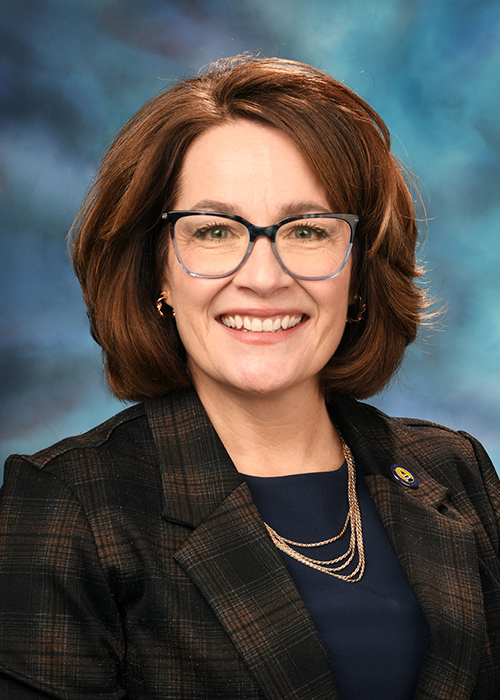
- Primary sponsor: Rep. Elizabeth "Lisa" Hernandez; Senate sponsor: Sen. Javier L. Cervantes. Multiple co‑sponsors listed. Companion: SB 2099. Several Senate committee amendments were filed during consideration.
Purpose
- To expand and clarify where publicly accessible baby (diaper) changing stations must be provided, and to require signage and minimum accessibility accommodations. The bill updates the Equitable Restrooms Act’s Section 18 to increase the number and types of “public buildings” subject to baby‑changing station requirements.
Key provisions
- Expands the statutory definition of “public building” to include (depending on amendment/version): hotels and lodging facilities; public and private schools (designated family areas or buildings intended for families); small entertainment venues (e.g., movie theaters, bowling alleys); healthcare facilities with public restrooms; transit and standalone public parks with restroom facilities; and retail stores and restaurants meeting specified size/occupancy thresholds.
- Retail threshold: introduced text reduced the square‑foot threshold from 5,000 to 3,000 sq. ft.; subsequent Senate amendments altered/returned thresholds in later drafts. (Versions differ; see legislative amendments.)
- Restaurant threshold: introduced draft lowered required occupancy from 60 to 40 persons; amendment activity changed aspects of this criterion across versions.
- Facility requirement: Every covered public building with public restrooms must have either (a) at least one baby changing station in women’s restrooms and one in men’s restrooms, or (b) at least one baby changing station accessible to both men and women (unisex/accessible).
- Special school provision (Senate Amend. No. 2): beginning July 1, 2026, schools and educational institutions intended for family use that were constructed before that date must provide at least one baby changing station (options include stations in women’s and men’s restrooms, a unisex station, or an accessible alternative space meeting health/safety standards).
- Signage: Restrooms containing a baby changing station must include signage at or near the entrance indicating its location.
- Exemptions: industrial buildings, nightclubs, or bars that exclude those under 18; single‑patient restrooms in health facilities; and cases where installation is not feasible or would violate building standards—local building inspector may grant an exemption.
- Tax/Enforcement: The section specifies that compliance is not enforceable by private right of action (no private lawsuit); enforcement is left to governmental authorities under applicable building/health codes.
Who is affected
- Businesses and public entities that operate covered facilities: retail stores, restaurants meeting the size/occupancy criteria, hotels/lodging, theaters/entertainment venues, parks with restrooms, healthcare facilities with public restrooms, and schools/educational institutions (subject to construction date provisions).
- Families, caregivers, and the public would gain broader physical access to baby changing facilities in more locations.
Procedural/Timeline notes
- The bill moved through the House Public Health Committee and the Senate, with multiple committee amendments filed (Senate Amendments No. 1 and No. 2) that altered definitions and compliance timelines. One notable implementation date tied to school facilities is July 1, 2026 (per an amendment). Although the legislature passed the measure, it was vetoed by the governor on June 25, 2025.
Potential impacts
- Increased accessibility and convenience for caregivers and parents in more public venues.
- Compliance costs for covered entities to install or retrofit restrooms or provide alternative compliant spaces.
- The absence of a private right of action limits enforcement to government agencies and reduces litigation risk for businesses, but may limit private enforcement remedies.
Note on materials provided
- The materials supplied contained text from other states/versions (including an unrelated Arizona bill about an Agriculture and Water Innovation Fund). This summary focuses on the Illinois Equitable Restrooms Act amendments concerning baby‑changing stations (HB 2952) and highlights that the bill underwent multiple amendments during consideration.