

WeVote

Bill

Bill

HB 2541

Provisions for election observers during any election and at any voting or ballot-reviewing and ballot-counting location within West Virginia

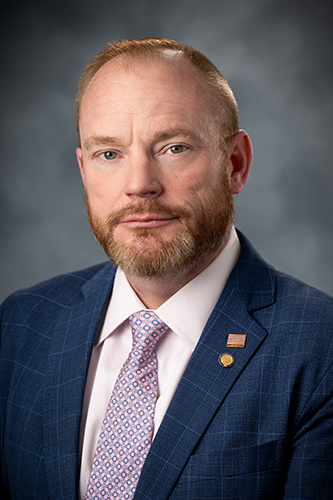
2025 Regular Session Introduced by Chris Anders and 6 co-sponsors

Illinois recognizes Prader-Willi syndrome as a developmental disability and exempts IQ testing for eligibility in certain home- and community-based services.

To House Judiciary
0
WeVote Research Nonpartisan
Bill Summary · HB 2541

Summary — HB2541 (Prader‑Willi Syndrome)

Jurisdiction: Illinois (104th General Assembly)
Primary sponsor: Rep. Nicole La Ha (with Chief Co‑Sponsor Rep. Jennifer Sanalitro)
Introduced: February 4–6, 2025
Status (most recent): Passed both houses (Apr 16, 2025); transmitted to Governor; vetoed by Governor (Apr 18, 2025). House Amendment added an effective‑date clause (effective upon becoming law).

Purpose / Intent

To explicitly recognize Prader‑Willi syndrome (PWS) as a developmental disability under Illinois law and to ensure persons with PWS are eligible for developmental‑disability services without undergoing required cognitive/IQ testing for certain program eligibility determinations. The bill directs state agencies to incorporate PWS into rules, definitions, and lists of eligible medical conditions.

Key provisions

  • Amends multiple Illinois statutes to add Prader‑Willi syndrome as a recognized developmental disability:
    • Statute on Statutes (5 ILCS 70/1.42): clarifies that in any rule, contract, or other document the term “developmental disability” includes a disability attributable to Prader‑Willi syndrome.
    • Mental Health and Developmental Disabilities Administrative Act (20 ILCS 1705): requires the Department of Human Services to include PWS in any rule defining “developmental disability” and in any rule listing conditions eligible for developmental‑disability services.
    • Mental Health and Developmental Disabilities Code (405 ILCS 5/1‑106): explicitly inserts PWS into the statutory definition of “developmental disability.”
    • Developmental Disability and Mental Disability Services Act (405 ILCS 80/2‑3): expands the definition of “severe and multiple impairments” to include substantial disability attributable to PWS.
  • Exemption: Persons diagnosed with Prader‑Willi syndrome are exempted from any assessment or evaluation to measure cognitive functioning or IQ when determining whether they have “severe and multiple impairments” for eligibility for home‑based and community‑based services.
  • Effective date (House Amendment 001): the act would take effect upon becoming law (if enacted).

Who is affected

  • Primary: Individuals diagnosed with Prader‑Willi syndrome in Illinois and their families — may gain clearer statutory entitlement to developmental‑disability services and faster access to home‑ and community‑based supports because IQ testing is not required for certain eligibility determinations.
  • State agencies: Department of Human Services must update rules and program materials to reflect PWS as a qualifying developmental disability and list PWS among eligible conditions.
  • Service providers and payors: may see procedural and eligibility changes; potential administrative updates to intake and assessment protocols.

Procedural / timeline notes

  • Introduced in early February 2025; progressed through committee and both chambers in March–April 2025 (including committee amendments and a House amendment adding an effective‑date clause).
  • Passed the legislature (transmitted to Governor Apr 16, 2025) but vetoed by the Governor on Apr 18, 2025. Unless the veto is overridden by the General Assembly or the Governor’s action is otherwise changed, the bill will not become law.

Potential impacts (practical)

  • Short term: administrative rule changes and updated eligibility procedures by the Department of Human Services and service providers.
  • Access: the statutory recognition plus the IQ‑testing exemption could expedite enrollment in home‑ and community‑based services for many people with PWS.
  • Budgetary/operational: potential for increased demand for services; agencies may need to consider adjustments to intake, provider networks, and budgeting (not quantified in the bill text).

Compiled from official sources — confirm details with the bill’s official record.

Sign in to ask a question.