

WeVote

Bill

Bill

A 8864

Provides that coverage for outpatient diagnosis and treatment of substance use disorder shall not be subject to preauthorization

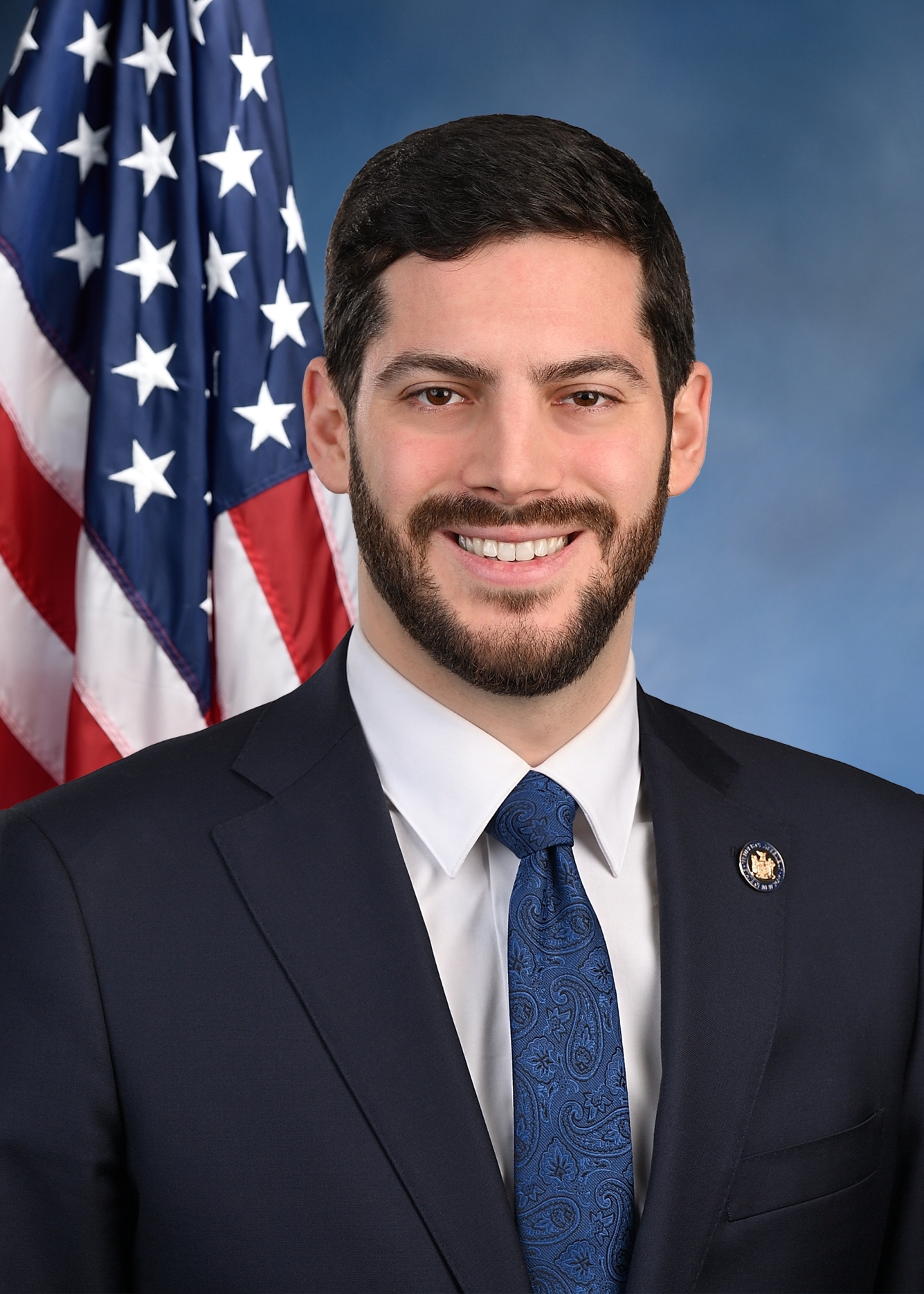
2025 Regular Session Introduced by Alex Bores

The bill bans preauthorization for outpatient diagnosis and treatment of substance use disorders if the service is covered, easing access.

REFERRED TO INSURANCE
0
WeVote Research Nonpartisan
Bill Summary · A 8864

Summary: New York Assembly Bill A 8864

Bill at a Glance

  • Bill Number: A 8864
  • Title: Provides that coverage for outpatient diagnosis and treatment of substance use disorder shall not be subjected to preauthorization
  • Status: Referred to Insurance (introduced June 9, 2025)
  • Primary Sponsor: Alex Bores
  • Related/Banlance: Companion bill S 5263; prior-session related bills S 1915, S 4842, S 8064, S 333

Purpose and Intent

A 8864 seeks to reduce barriers to access for outpatient diagnosis and treatment of substance use disorder (SUD) by prohibiting the preauthorization requirement as a condition of coverage. In other words, if an individual’s health plan covers outpatient SUD services, insurers would not be allowed to require prior authorization before those services are provided and paid for, under the terms of the policy.

Key Provisions (as stated)

  • Prohibition on Preauthorization: Coverage for outpatient diagnosis and outpatient treatment of substance use disorder would not be subject to preauthorization by health insurers or plan administrators.
  • Scope (implied): Applies to outpatient SUD services that are otherwise covered under the insured’s health plan. The provision specifies that preauthorization cannot be a hurdle to access these outpatient services.

Note: The available information does not provide detailed definitions (e.g., what constitutes “outpatient,” the exact scope of SUD services covered, or whether the provision applies to all policy types and markets). The bill text would clarify these details upon full release.

Affected Parties

  • Individuals with health insurance seeking outpatient diagnosis or treatment for substance use disorder.
  • Insurers and health plans operating in New York that issue policies subject to Insurance Law provisions.
  • Healthcare providers delivering outpatient SUD services, who would benefit from streamlined access and reduced administrative hurdles.

Timeline and Procedural Details

  • Introduced: June 9, 2025
  • Current Step: Referred to the Assembly Committee on Insurance
  • Legislative Path: As a companion to S 5263 (and with related bills in prior sessions), this bill is part of an ongoing legislative effort to reform access to SUD treatment. If advanced, it would move through committee hearings, amendments, and potential floor votes before further actions.

Legislative Context

  • Sponsors: Primary sponsor Alex Bores.
  • Related/Companion Bills: S 5263 (companion). Prior-session related bills include S 1915, S 4842, S 8064, and S 333, indicating sustained interest in removing preauthorization barriers for SUD outpatient care.

Potential Impacts and Considerations

  • Access to Care: Likely to reduce delays in obtaining outpatient SUD diagnosis and treatment, potentially improving early intervention and follow-through.
  • Administrative Burden: May decrease administrative steps for providers and patients, though insurers may retain other utilization controls (e.g., concurrent review, cost-sharing rules) not addressed by the bill.
  • Cost and Coverage Implications: Could shift utilization patterns; the bill does not specify cost-sharing changes, payment rates, or coverage limits. Further detail would be needed from the full text to assess fiscal impact.
  • Policy Alignment: Aligns with broader parity and access goals for mental health and addiction services, though exact regulatory alignment with existing parity laws is not specified in the summary.

If you’d like, I can incorporate a comparison with the companion S 5263 or extrapolate potential fiscal effects once the full text or fiscal notes become available.

Compiled from official sources — confirm details with the bill’s official record.

Sign in to ask a question.