

WeVote

Bill

Bill

A 130

Provides that candidates who have provided firefighting service may deduct up to a maximum of six years from their age for purposes of meeting the age requirements

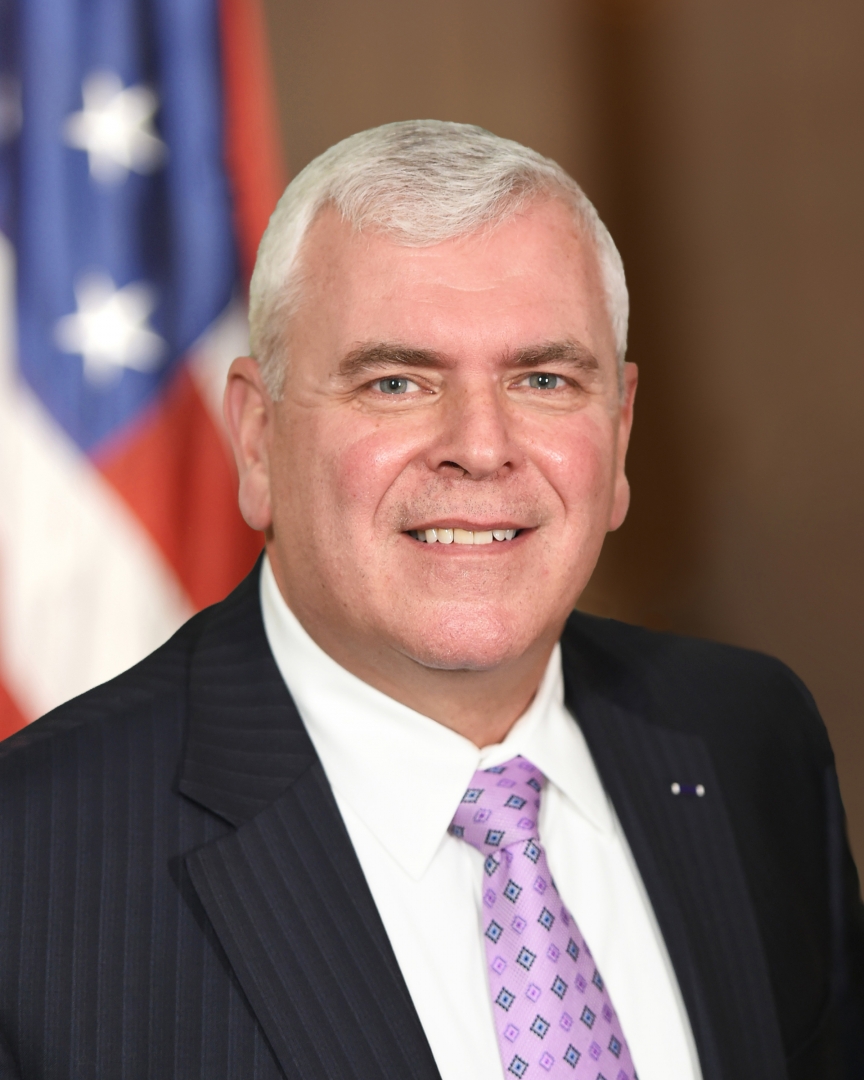
2025 Regular Session Introduced by Joe Angelino and 8 co-sponsors

Allows candidates with firefighting service to deduct up to six years from their age to meet minimum candidacy age requirements, potentially widening the pool.

HELD FOR CONSIDERATION IN GOVERNMENTAL EMPLOYEES
0
WeVote Research Nonpartisan
Bill Summary · A 130

Bill Summary: A 130

Overview

Bill A 130 would allow candidates who have provided firefighting service to deduct up to six years from their age when meeting age requirements for candidacy. The intent is to recognize firefighting service as contributing toward eligibility by effectively reducing a candidate’s age for purposes of meeting age-based requirements.

What the bill would do

  • Permits a deduction of up to six years from a candidate’s age when determining eligibility based on age.
  • Applies specifically to candidates who have provided firefighting service.
  • The deduction is intended for “purposes of meeting the age requirements” to qualify as a candidate (i.e., to meet minimum age thresholds established for candidacy).

Key provisions

  • Age deduction cap: Up to six years.
  • Eligibility trigger: The candidate must have provided firefighting service.
  • Scope: The deduction is exclusively for calculating age to satisfy candidacy age requirements; details on which offices or election types are affected are not specified in the provided information.
  • Administrative details: Not specified in the summary; implementation would likely involve the state’s elections or relevant administrative body.

Affected parties

  • Primary effect: Individuals seeking public office who have firefighting service.
  • Impact: Could enable some near-threshold applicants to meet age requirements sooner or with a lower apparent age, potentially broadening the candidate pool for certain offices.

Procedural history and timeline

  • Introduced: January 8, 2025.
  • Referenced to committee: Governmental Employees (January 8, 2025).
  • Status: Held for consideration in Governmental Employees.
  • Legislative actions note: Two entries on May 19, 2025 both show “HELD FOR CONSIDERATION IN GOVERNMENTAL EMPLOYEES” (indicating continued committee-level consideration on that date).

Sponsors

  • Primary sponsor: Joe Angelino
  • Cosponsors: Scott H. Bendett, John Lemondes, Brian Manktelow, Angelo J. Morinello, Joe DeStefano, David McDonough, Brian D. Miller, John K. Mikulin

Related legislation

  • Prior-session related bills: A 2296, A 2460, A 3154, A 3625, A 2152, A 1870, A 946, A 5288, A 2378

Potential considerations

  • Scope clarity: The bill does not specify which offices or which age requirements (e.g., minimum age by office) are affected beyond the general reference to “age requirements.”
  • Administrative implementation: Details on how the deduction would be calculated and verified in practice are not provided.
  • Administrative and policy impact: Could affect eligibility demographics; may raise questions about uniform application across offices and jurisdictions.

This summary captures the essential purpose, provisions, and procedural status of Bill A 130 as described. If you’d like, I can add a brief comparison with the related bills or map out a potential fiscal or administrative impact sheet based on additional details.

Compiled from official sources — confirm details with the bill’s official record.

Sign in to ask a question.