

WeVote

Bill

Bill

A 2220

Provides for payments for home and community based long term care services

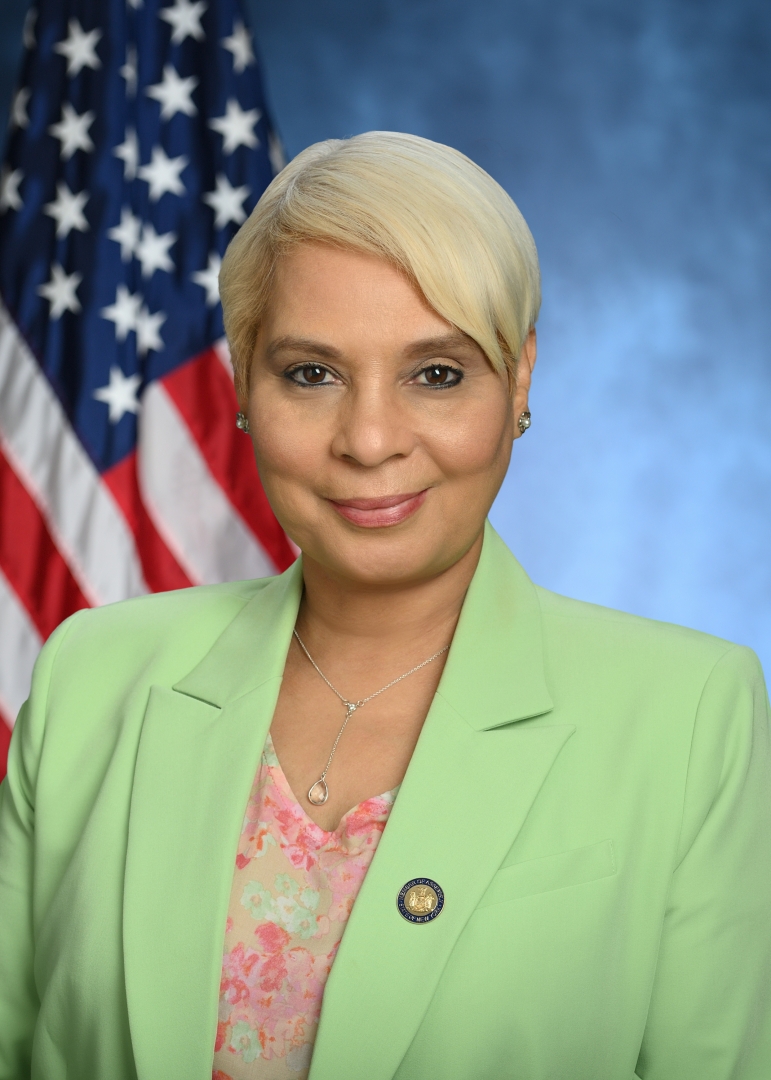
2025 Regular Session Introduced by Maritza Davila and 10 co-sponsors

Creates a payment framework to fund home- and community-based long-term care, enabling providers to be paid and expanding access to non-institutional care.

REFERRED TO HEALTH
0
WeVote Research Nonpartisan
Bill Summary · A 2220

Summary of Assembly Bill A 2220 — Provides for payments for home and community based long term care services

Overview

  • Bill Number: A 2220
  • Title: Provides for payments for home and community based long term care services
  • Status: REFERRED TO HEALTH
  • Introduced: January 15, 2025
  • Classification: bill

Purpose and intent

A 2220 seeks to establish a framework for payments related to home and community-based long-term care (HCBS) services. While the full text would define the exact program details, the bill’s title indicates an aim to create or authorize payments that support HCBS, potentially expanding access to non-institutional care options for individuals who require long-term care.

Key provisions (as implied by the bill’s title and common HCBS payment structures)

  • Establishment of a payment mechanism for HCBS services: creation or authorization of payments to providers delivering home- and community-based care.
  • Eligibility and covered services: definition of who qualifies to receive HCBS payments and what services would be covered (e.g., in-home personal care, supports to live independently, community-based services). Specific eligibility criteria and covered services would be detailed in the bill text.
  • Provider framework: designation of eligible HCBS providers and the process for enrollment, billing, and reimbursement.
  • Payment methodology: likely approaches to rates, caps or benchmarks, billing procedures, and timelines for reimbursements.
  • Oversight and accountability: provisions for program administration, quality assurance, and reporting requirements to monitor effectiveness and budget impact.
  • Funding and administration: outlines potential funding sources and which state agency would administer the program (e.g., health or social services department). Exact fiscal details would be specified in the enacted text.

Who would be affected

  • Individuals requiring long-term care who prefer or require home or community-based services.
  • HCBS providers and home health agencies that would be eligible to receive payments under the new framework.
  • Family caregivers and support networks involved in non-institutional care, who may gain greater access to formalized payment structures.
  • State and local agencies responsible for health, aging, or long-term services programs, including any Medicaid-related waivers or funding mechanisms.

Procedural and timeline aspects

  • Introduced and referred to the Health Committee on January 15, 2025.
  • No further committee action is listed in the provided information; status indicates the bill is at an early stage and awaiting consideration by the Health Committee.
  • Related bills from prior sessions (A 11200, A 2788, A 161, A 7473) suggest ongoing legislative interest in HCBS payments.

Related bills

  • A 11200 (prior-session)
  • A 2788 (prior-session)
  • A 161 (prior-session)
  • A 7473 (prior-session)

Potential impact and considerations

  • If enacted, the bill could expand access to long-term care by enabling formal HCBS payments, potentially reducing reliance on institutional care.
  • Fiscal implications would depend on funding levels, payment rates, and eligibility, necessitating careful budgetary planning and monitoring.
  • Implementation would require robust administration, provider enrollment, and compliance frameworks to ensure timely and accurate payments and to safeguard program integrity.

For readers seeking specifics, the full bill text and any fiscal notes released by the sponsor or committee will clarify exact eligibility criteria, covered services, payment rates, and administrative details.

Compiled from official sources — confirm details with the bill’s official record.

Sign in to ask a question.