

WeVote

Bill

Bill

A 4076

Provides for a waiver of certain liquor license renewal fees

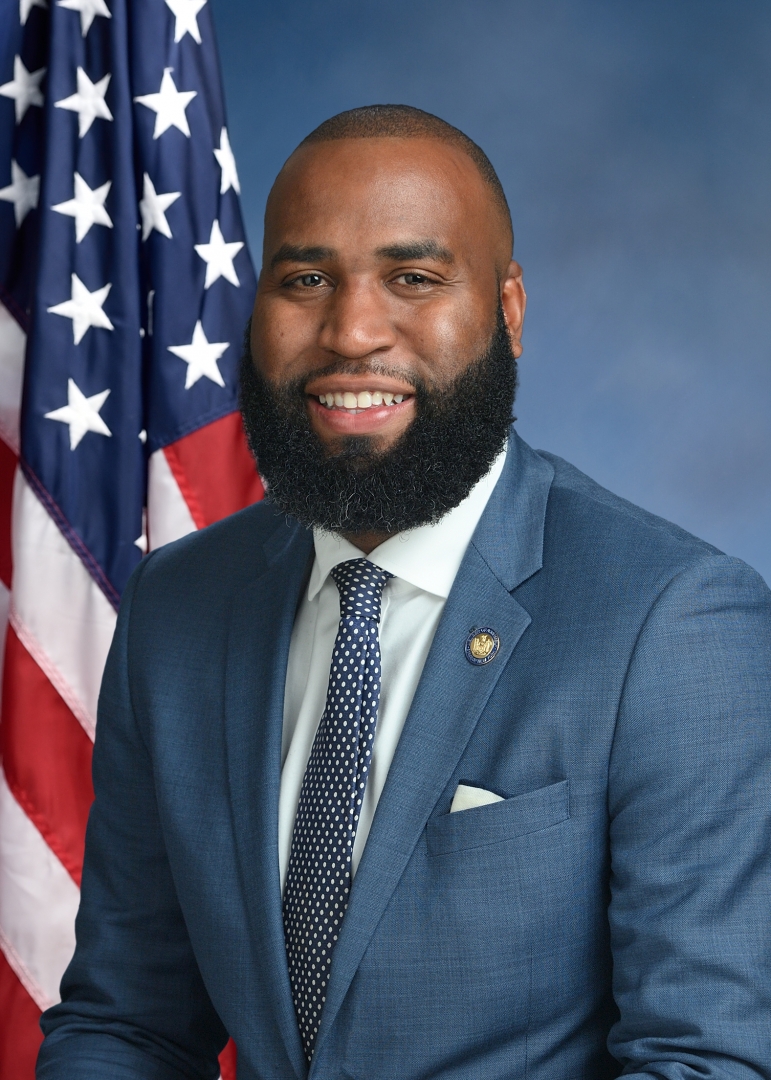
2025 Regular Session Introduced by Brian Cunningham

Waives certain liquor license renewal fees to ease costs for license holders (bars, restaurants, breweries, retailers); eligibility and scope TBD.

REFERRED TO ECONOMIC DEVELOPMENT
0
WeVote Research Nonpartisan
Bill Summary · A 4076

Summary of bill A 4076

Overview

Bill A 4076 proposes a waiver of certain liquor license renewal fees. The primary aim appears to be providing financial relief to license holders by eliminating or reducing renewal fees for specified licenses or under specified conditions. The bill is currently in the committee stage.

Key details

  • Bill number: A 4076
  • Title: Provides for a waiver of certain liquor license renewal fees
  • Status: Referred to the Economic Development committee
  • Introduced: January 31, 2025
  • Sponsor: Brian Cunningham (primary)
  • Related bill: A 4082 (prior-session)

What the bill would do (provisions)

  • The exact scope of the waiver is not specified in the available summary. What is stated is that the bill provides for a waiver of certain liquor license renewal fees.
  • Details that are not provided here (and would typically appear in the full text) include:
    • Which licenses are eligible for the waiver (e.g., on-premises consumptions, wholesalers, manufacturers, etc.)
    • The amount or percentage of the fee that would be waived
    • Eligibility criteria (e.g., license type, business size, location, duration of eligibility)
    • Any sunset provisions or renewal triggers
    • Administrative mechanisms to implement the waiver (e.g., how licensees apply, whether waivers are automatic upon renewal, reporting requirements)

Who would be affected

  • Primary affected parties are liquor license holders (such as bars, restaurants, breweries, distilleries, or retailers) that pay renewal fees to the relevant licensing authority.
  • State and local authorities that administer liquor licensing and collect renewal fees would be involved in implementing and tracking the waivers.
  • The bill could influence operating costs for licensees and, indirectly, consumer pricing and business competitiveness.

Procedural and timeline aspects

  • The bill has been introduced and promptly referred to the Economic Development committee, indicating it will move through committee consideration before any floor action.
  • The legislative actions listed show two identical entries on 2025-01-31, both noting the referral to Economic Development.
  • Next steps (subject to committee action and legislative calendar): potential committee hearings, amendments, and a floor vote in the applicable house, followed by potential consideration in the other house and eventual enactment or veto by the governor.

Potential implications and considerations

  • Fiscal impact: The renewal fee waiver would reduce fee revenue collected by the licensing authority in the near term and could affect related state or local budgets unless offset by other revenue or grant mechanisms.
  • Economic impact: If targeted to small businesses or certain license types, the waiver could ease operating costs and support hospitality and retail sectors.
  • Administrative burden: The bill would require clear rules to define eligibility, implementation, and compliance monitoring to avoid ambiguity and ensure proper administration.

If the full text becomes available, a more detailed provision-by-provision analysis could be provided, including exact eligibility, duration, and any sunset or renewal requirements.

Compiled from official sources — confirm details with the bill’s official record.

Sign in to ask a question.