

WeVote

Bill

Bill

A 635

Provides a tax credit for qualified caregiving expenses

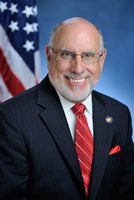
2025 Regular Session Introduced by Michael Benedetto and 15 co-sponsors

Creates a state tax credit to offset qualified caregiving expenses, reducing tax liability for households caring for qualifying relatives or disabled individuals.

REFERRED TO WAYS AND MEANS
0
WeVote Research Nonpartisan
Bill Summary · A 635

Summary of Bill A 635 — Tax Credit for Qualified Caregiving Expenses

Overview

Bill A 635 would create a state tax credit aimed at offsetting qualified caregiving expenses. The bill is currently in the early stage of the legislative process, having been introduced on January 8, 2025 and referred to the Ways and Means committee. The text of the bill (and any fiscal notes) is not provided here, so specific credit amounts, eligibility thresholds, and definitions are not available in this summary.

Purpose and Intent

  • Establish a targeted tax credit for individuals or households incurring caregiving expenses for qualifying persons.
  • Align with policy goals of reducing the financial burden on caregivers and ensuring supportive care options for dependents, seniors, or individuals with disabilities.

Key Provisions (as described)

  • Create a state-level tax credit titled to cover qualified caregiving expenses.
  • Details on eligibility, qualifying expenses, credit rate or amount, caps, refundable vs. nonrefundable status, and claiming procedures would be defined in the bill text and any accompanying fiscal analysis.
  • Administrative mechanisms (e.g., claims processing, documentation requirements) would be implemented in the bill and/or by the responsible state department.

Note: The precise definitions of “qualifying caregiving expenses,” the eligible claimant pool, the credit calculation, any caps, sunset provisions, and interaction with federal tax provisions are not included in the information provided. The bill text will specify these elements.

Affected Parties

  • Taxpayers who incur caregiving expenses for qualifying individuals (potentially including elderly relatives, individuals with disabilities, or others requiring caregiving support).
  • Caregivers and families seeking relief from caregiving costs.
  • State Department of Taxation and Finance (administrative responsibilities) and related state agencies that implement tax credits.

Procedural and Timeline Aspects

  • Introduced: January 8, 2025.
  • Status: Referred to Ways and Means (the fiscal committee responsible for tax-related measures).
  • No further action or amendments are listed in the provided information. The bill would typically proceed to committee hearings, potential amendments, and floor consideration, depending on legislative scheduling and activity.
  • Related bills in other sessions suggest cross-chamber coordination and prior variants of a similar concept.

Related Bills

  • S 5100 (prior-session)
  • A 7209 (prior-session)
  • A 6932 (prior-session)
  • A 1830 (prior-session)
  • S 4383 (companion) – listed twice in the provided data
  • These indicate companion or predecessor proposals in either the same or prior sessions, which can inform potential design and support.

Sponsors

  • Primary Sponsor: Ron Kim
  • Cosponsors (selected): Jonathan Jacobson, Jo Anne Simon, Andrew Hevesi, Joe DeStefano, Phara Souffrant Forrest, Steven Otis, Steve Stern, Michael Benedetto, Edward Braunstein, Stefani Zinerman, Donna Lupardo, Albert A. Stirpe, Matthew Slater, Amy Paulin, Christopher Eachus
  • The list reflects broad bi-partisan or cross-aisle sponsorship, suggesting broader legislative support, at least among members.

Potential Impact

  • Tax relief for households with caregiving expenses, potentially reducing net tax liability for eligible filers.
  • Could influence caregiver choices and cost-of-care considerations.
  • Revenue impact to the state would depend on the credit’s size, eligibility, and take-up, and would be evaluated in a fiscal note and budget process.

For readers seeking the specifics, including exact eligibility criteria, credit amount, and interaction with other tax provisions, the bill text and any fiscal analysis from the Ways and Means committee should be consulted once released.

Compiled from official sources — confirm details with the bill’s official record.

Sign in to ask a question.