

WeVote

Bill

Bill

A 3589

Protects library access to electronic literary materials

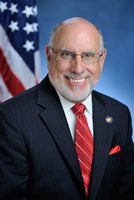
2025 Regular Session Introduced by Michael Benedetto and 20 co-sponsors

Protects libraries' access to electronic literary materials by safeguarding licensing terms and enabling broader, more affordable digital borrowing for patrons.

REFERRED TO LIBRARIES AND EDUCATION TECHNOLOGY
0
WeVote Research Nonpartisan
Bill Summary · A 3589

Bill A 3589 – Protects Library Access to Electronic Literary Materials

Overview

Bill A 3589 is a New York State measure introduced on January 28, 2025, and currently referred to the Libraries and Education Technology committee. The bill’s stated aim is to protect access by libraries to electronic literary materials. The full text of the provisions is not provided here, so this summary focuses on the bill’s stated purpose, the available procedural details, and the potential implications based on the bill’s title and typical library policy context.

Purpose and Intent

  • To safeguard and enhance libraries’ ability to provide patrons with access to electronic literary materials (e-books, digital resources, and related digital content).
  • The aim is to prevent or mitigate barriers to access that could arise from licensing, pricing, digital rights management, or other constraints that affect libraries’ ability to license or deliver electronic content to the public.

Key Provisions (not specified in the provided text)

  • The exact statutory changes are not included in the material provided. A bill with this title would typically address issues such as:
    • Licensing terms and conditions favorable to libraries (e.g., pricing, perpetual access, hold/watch obligations, multi-user licensing).
    • Rights and permissions related to digital lending and sharing within library systems.
    • Partnerships or requirements for publishers, distributors, or vendors to ensure equitable access for library patrons.
    • Accessibility considerations for patrons with disabilities.
    • Compliance, reporting, or oversight mechanisms to monitor library access to electronic materials.
  • Note: The above are common themes in similar legislation and are not confirmed provisions of A 3589 without the bill’s actual text.

Affected Parties

  • Primary focus: libraries (public, academic, and other library systems) and their patrons.
  • Potential impact on publishers, distributors, and vendors of electronic literary materials, depending on the final statutory language.
  • Library staff and administrators responsible for acquisitions, licensing, and digital resource management.

Procedural and Timeline Aspects

  • Introduced: January 28, 2025.
  • Status: Referred to the Libraries and Education Technology committee.
  • Legislative actions recorded: two entries on 2025-01-28 noting referral to the same committee (likely indicating initial committee referral events).

Related Legislation

  • A 10544 (prior-session) is listed as related, suggesting a continued or previously proposed approach to the same policy area.

Potential Impact (general, based on the bill’s title)

  • If enacted, libraries may experience improved access to electronic materials for patrons, potentially through more favorable licensing terms and licensing models suited to library use.
  • Patrons could benefit from broader, more affordable digital reading options and fewer access barriers.
  • Vendors and publishers might need to adjust licensing models or terms to align with library access requirements, which could affect pricing structures and contract negotiations.
  • Administrative processes in libraries may adapt to new licensing compliance or reporting requirements.

Next Steps / Open Questions

  • Reading the full bill text would clarify specific protections, definitions (e.g., what counts as “electronic literary materials”), and any funding, implementation timelines, or enforcement provisions.
  • Stakeholders might monitor committee hearings for amendments, fiscal implications, and procedural milestones.

If you obtain the bill’s text or committee memo, I can provide a detailed provisions-by-provisions analysis and a more precise assessment of impact and timelines.

Compiled from official sources — confirm details with the bill’s official record.

Sign in to ask a question.