

WeVote

Bill

Bill

SJR 4

Protection of Right to Bear Arms Amendment

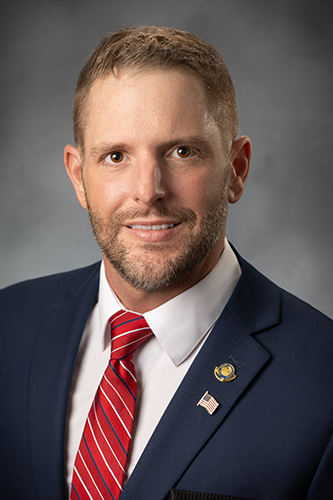
2025 Regular Session Introduced by Craig Hart and 6 co-sponsors

Urges federal agencies to adopt Nevada land-use principles, with local leadership, early tribal and state input, and multi-use, sustainable planning on public lands.

To Judiciary
0
WeVote Research Nonpartisan
Bill Summary · SJR 4

Summary — SJR 4

Title: Urges the Federal Government to support and recognize certain land use planning principles when conducting projects in this State. (BDR R-380)

Main purpose

SJR 4 is a non‑binding joint resolution asking the federal government and its land‑management agencies to adopt and recognize specified land‑use planning principles when undertaking projects in Nevada. It emphasizes local leadership, intergovernmental coordination, and multiple‑use/sustainability principles for public lands planning.

Key provisions

  • Findings and context

    • Notes that over 80% of Nevada’s land is federally owned and managed by multiple federal agencies (e.g., BLM, U.S. Forest Service, NPS, Bureau of Reclamation, Fish and Wildlife Service, Department of Defense).
    • References existing federal laws that require consultation and public involvement (for example, the National Environmental Policy Act, National Forest Management Act, Federal Land Policy and Management Act).
  • Principles the Legislature urges the federal government to support when conducting projects in Nevada:

    1. Actions on public lands in Nevada should be led and driven by the impacted local communities.
    2. Federal agencies must coordinate with and provide meaningful opportunities for input from state, tribal and local governments, including:
      • Early notification of proposed actions;
      • Opportunities for meaningful input from Nevada, tribal and local governments;
      • Consideration of and consistency with state and local land‑use policies and plans to the extent practicable.
    3. Public lands should be managed for multiple uses while ensuring economic, social and environmental sustainability for current and future generations.
  • Administrative/notification direction

    • Directs the Secretary of the Nevada Senate to transmit copies of the resolution to the President and Vice President of the United States, congressional leadership, federal agency heads (Interior, Agriculture, BLM, USFS, NPS, Bureau of Reclamation, Fish and Wildlife Service, Department of Defense), Nevada’s Congressional delegation and the Governor.

Who is affected

  • Primary subjects: federal land management agencies and federal decision‑making processes affecting Nevada public lands.
  • Stakeholders: State of Nevada, tribal governments, county and local governments, local communities (especially those adjacent to federal lands), natural‑resource users, and industries dependent on public lands (e.g., recreation, grazing, mining).
  • Legal status: the resolution is advisory and non‑binding — it expresses the Legislature’s policy preferences but does not create new legal obligations for federal or state agencies.

Procedural and fiscal notes

  • Introduced/prefiled in the 2025 session (prefile date noted Jan 28, 2025).
  • The resolution directs transmittal upon passage and states it becomes effective on passage.
  • Fiscal impact: the resolution is advisory; official material indicates no effect on the State or local governments (no fiscal impact).
  • Current status in the legislative record: listed as “Pursuant to Joint Standing Rule No. 14.3.1, no further action allowed.” (i.e., no further legislative action under that rule for this measure).

Practical implications

  • If federal agencies take the Legislature’s urging into account, Nevada could see earlier and more structured consultation with local and tribal governments and greater efforts to align federal planning with state/local land‑use objectives.
  • Because the resolution is non‑binding, its influence depends on federal willingness to respond and the administrative processes of the relevant federal agencies.

Compiled from official sources — confirm details with the bill’s official record.

Sign in to ask a question.