

Bill

BILL • US SENATE

S 108

Protecting Higher Education from the Chinese Communist Party Act of 2025

119th Congress
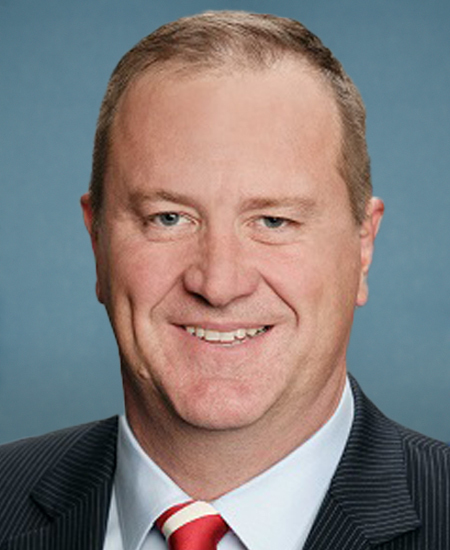
Introduced by Eric Schmitt, Rick Scott,

Bill S 108 mandates individuals to retreat safely before using force in self-defense, aiming to reduce violence and clarify legal obligations in such situations.

Introduced in Senate
0
0
Bill Summary • S 108

Summary of Bill S 108: Establishes the Crime of Failure to Retreat

Bill Overview

  • Bill Number: S 108
  • Title: Establishes the crime of failure to retreat
  • Status: Referred to Codes
  • Introduced On: January 08, 2025
  • Classification: Bill

Purpose and Intent

Bill S 108 aims to establish legal consequences for individuals who fail to retreat from a situation where they could safely do so before using force in self-defense. The intent of the bill is to clarify the legal obligations of individuals in self-defense scenarios, potentially reducing unnecessary violence and promoting de-escalation.

Key Provisions

  • Definition of Failure to Retreat: The bill defines "failure to retreat" as the act of not withdrawing from a confrontation when it is safe to do so, prior to using physical force.
  • Legal Consequences: Individuals who engage in self-defense without first retreating, when it was safe to do so, may face criminal charges. The specifics of these charges and penalties are not detailed in the current version of the bill.
  • Exceptions: The bill may outline certain exceptions where retreat is not required, such as in cases of imminent threat to life or severe bodily harm, although these specifics are not provided in the summary.

Affected Parties

  • Individuals: The bill primarily affects individuals who may find themselves in self-defense situations, as it imposes a legal duty to retreat under certain circumstances.
  • Law Enforcement: Police and legal authorities will need to interpret and enforce the new provisions, potentially impacting how self-defense cases are handled in the judicial system.
  • Legal Practitioners: Attorneys and legal advisors will need to adjust their counsel and defense strategies based on the implications of this bill.

Procedural Aspects

  • Current Status: As of January 08, 2025, the bill has been referred to the Codes Committee for further consideration.
  • Related Legislation: This bill is related to several prior-session bills (S 8821, S 3464, S 77) and has a companion bill (A 4326) in the Assembly, indicating ongoing legislative interest in the topic of self-defense laws.

Conclusion

Bill S 108 seeks to clarify and enforce the legal expectations surrounding self-defense by introducing the concept of "failure to retreat." As it progresses through the legislative process, further details regarding its provisions and implications will likely emerge, shaping the legal landscape for self-defense cases in the jurisdiction.

Hi! I'm your AI assistant for S 108. I can help you understand its provisions, impacts, and answer any questions.

Key Provisions Impacts Timeline
Sign in to chat