

Bill

BILL • US SENATE

S 1652

Protecting Communities and Preserving the Second Amendment Act of 2025

119th Congress
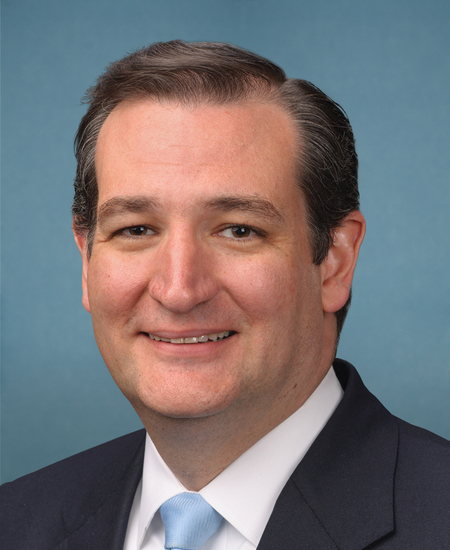
Introduced by Ted Cruz, Chuck Grassley,

Bill S 1652 allows courts to file non-family offense protection orders in a computerized registry, enhancing access and enforcement for victims' safety and legal clarity.

Introduced in Senate
0
0
Bill Summary • S 1652

Summary of Bill S 1652

Bill Overview

Bill Number: S 1652

Title: Authorizes a court to direct filing of non-family offense order of protection with the computerized registry for such orders and warrants

Status: Signed into law as Chapter 465

Introduced: January 13, 2025

Purpose and Intent

The primary purpose of Bill S 1652 is to enhance the legal framework surrounding non-family offense orders of protection. This legislation allows courts to direct the filing of these orders with a computerized registry, thereby improving the accessibility and enforcement of protective orders. The intent is to provide better protection for individuals who are victims of non-family offenses, ensuring that relevant authorities have immediate access to critical information regarding protective measures.

Key Provisions

  • Court Authority: The bill grants courts the authority to direct the filing of non-family offense orders of protection with a computerized registry.
  • Registry Utilization: The establishment of a computerized registry aims to streamline the process of accessing and enforcing protective orders, making it easier for law enforcement and judicial entities to retrieve necessary information.
  • Non-Family Offenses: The bill specifically addresses non-family offenses, which may include harassment, stalking, or other forms of violence that do not involve familial relationships.

Impact

  • Victims of Non-Family Offenses: Individuals who are victims of non-family offenses will benefit from improved access to protective measures, potentially leading to enhanced safety and security.
  • Law Enforcement and Judicial Efficiency: The implementation of a computerized registry is expected to improve the efficiency of law enforcement and judicial processes related to the enforcement of protective orders.
  • Legal Clarity: By clearly defining the procedures for filing and accessing non-family offense orders, the bill aims to reduce confusion and ensure that victims receive timely protection.

Legislative Timeline

  • January 13, 2025: Bill introduced and referred to the Codes Committee.
  • April 8, 2025: Passed in the Senate and delivered to the Assembly.
  • May 12, 2025: Passed in the Assembly, substituted for A7265, and returned to the Senate.
  • October 9, 2025: Delivered to the Governor.
  • October 16, 2025: Signed into law as Chapter 465.

Related Legislation

Bill S 1652 has connections to several prior-session bills, including:
- S 3377
- S 1588
- S 2041
- S 3349
- A 7265 (companion bill)

These related bills reflect ongoing legislative efforts to address issues surrounding protective orders and the safety of individuals facing non-family offenses.

Conclusion

Bill S 1652 represents a significant step towards improving the legal protections available to victims of non-family offenses. By establishing a computerized registry for protective orders, the bill aims to enhance the enforcement of these orders and provide greater safety for individuals in vulnerable situations.

Hi! I'm your AI assistant for S 1652. I can help you understand its provisions, impacts, and answer any questions.

Key Provisions Impacts Timeline
Sign in to chat