

WeVote

Bill

Bill

HR 9728

Protecting America’s Diplomatic Workforce Act

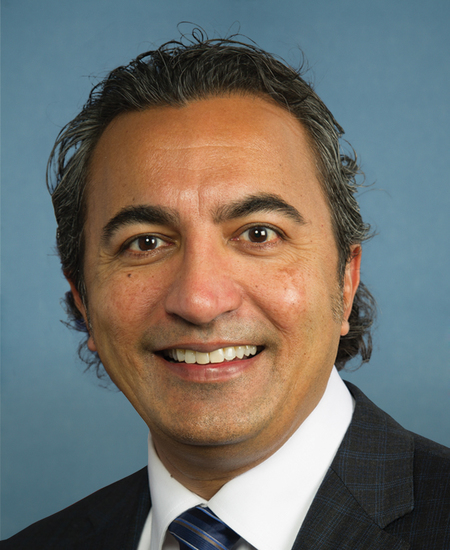
119th Congress Introduced by Ami Bera and 5 co-sponsors

Protects U.S. diplomatic staff abroad by boosting safety, health protections, emergency readiness, and oversight to improve working conditions and support.

Introduced in House
0
WeVote Research Nonpartisan
Bill Summary · HR 9728

Summary of HR 9728 — Protecting America’s Diplomatic Workforce Act

Purpose and Intent

  • The bill is aimed at safeguarding the health, safety, and well-being of the United States diplomatic workforce. While the full text is not provided here, the title indicates a focus on protections for personnel serving in U.S. embassies, consulates, and related diplomatic missions, including the individuals who staff and support these posts.

Key Provisions (as inferred from the title and typical scope of such legislation)

  • Establish or expand protections for U.S. diplomatic staff, potentially including:
    • Enhanced safety and security measures for personnel overseas.
    • Health protections, including occupational health standards and access to medical care.
    • Procedures for risk assessment and mitigation in high-threat or high-risk postings.
  • Accountability and oversight mechanisms to ensure the Department of State and related agencies implement protections effectively.
  • Potential funding or authorization of programs related to protective equipment, security training, and emergency response.
  • Provisions to support families and dependents of diplomatic staff, including relocation and housing support where applicable.
  • Clarification of personnel rights and whistleblower or grievance procedures related to safety and protections.

Who Would Be Affected

  • U.S. federal employees and contractors serving in the diplomatic workforce, including:
    • Foreign Service officers and civil service staff.
    • Diplomatic drivers, security personnel, implementers of protective programs, and support staff at embassies and consulates.
    • Family members or dependents associated with diplomatic postings, if the bill covers family protections.
  • Agencies involved: primarily the Department of State, and potentially other federal entities with roles in international operations or agriculture (as the bill has cross-committee referral).

Procedural and Timeline Aspects

  • Introduced in the House and assigned to the Committee on Foreign Affairs, with a parallel referral to the Committee on Agriculture, indicating provisions touching both international diplomacy and potential agricultural or food security dimensions (a common cross-cut to address agriculture-related international postings or development programs).
  • The referral history (as of the date shown) includes:
    • 2026-07-16: Introduction in the House.
    • 2026-07-16: Referred to the Committee on Foreign Affairs and to the Committee on Agriculture for consideration of provisions within their jurisdictions.
  • No specific amendments, hearing dates, or markups are listed in the provided action history.

Potential Impact and Implications

  • Improved safety, health care access, and working conditions for U.S. diplomatic staff abroad.
  • Strengthened oversight and accountability for protective measures at diplomatic posts.
  • Potential funding authorization to support protective infrastructure, training, and emergency preparedness.
  • Could influence recruitment, retention, and morale of the diplomatic workforce by signaling concrete protections.
  • If enacted, administrative rules and agency guidance would need to align with the bill’s protections, possibly affecting budgeting and overseas operations.

Notes for Readers

  • The bill’s text would provide precise definitions (e.g., which personnel are covered, what constitutes protective measures, funding levels, and enforcement mechanisms).
  • Since the action history only covers introduction and referrals, additional information on hearings, amendments, and final passage would be needed to assess its likelihood and final scope.

Compiled from official sources — confirm details with the bill’s official record.

Sign in to ask a question.