

WeVote

Bill

Bill

HR 8994

Protect Working Musicians Act of 2026

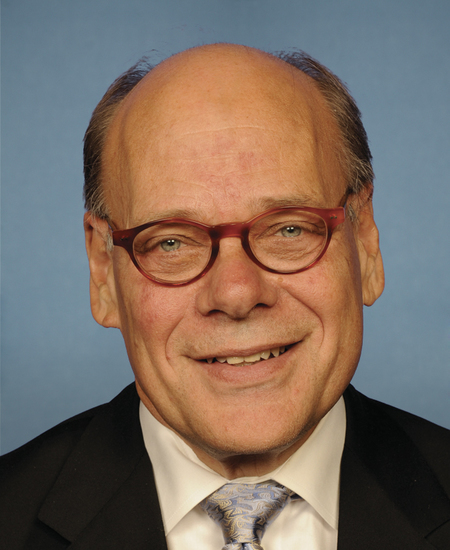
119th Congress Introduced by Steve Cohen and 3 co-sponsors

The bill aims to protect professional musicians by standardizing fair pay, clear contract disclosures, and safer working conditions across venues and promoters.

Introduced in House
0
WeVote Research Nonpartisan
Bill Summary · HR 8994

Overview

HR 8994, the Protect Working Musicians Act of 2026, is a bipartisan House bill introduced in the 119th Congress. The primary aim is to protect the rights, compensation, and working conditions of professional musicians. The bill has four named co-sponsors: Lloyd Doggett, Dan Goldman, Steve Cohen, and Deborah Ross. It has been referred to the House Judiciary Committee.

Purpose and intent

  • Establish and reinforce protections for working musicians, focusing on fair compensation, safeguards against exploitation, and clarity around working conditions.
  • Address issues that musicians commonly face in the modern labor market, such as fair pay for performances, upfront contract disclosures, and protections related to venues, unions, and management practices.
  • Provide a legislative framework that could apply across various genres and employment arrangements within the music industry, from performers to session players and touring artists.

Key provisions and changes (as described in summary, placeholders where text is not provided)

  • Labor standards and compensation: Likely includes requirements for fair payment terms, minimum compensation levels for performances, and transparency in fee structures. Could address issues like overtime, travel stipends, per diems, and bonuses.
  • Contracts and disclosures: Potential mandates for clear written agreements between musicians and venues or employers, detailing payment terms, duration of engagement, cancellation policies, and rights to use performances.
  • Protections for working conditions: Possible measures to ensure safe and professional working environments, reasonable gig scheduling, rest periods between performances, and limits on exploitative practices.
  • Enforcement and remedies: Provisions outlining enforcement mechanisms, such as penalties for violations, private rights of action, and avenues for dispute resolution. May include penalties or administrative remedies administered by relevant labor or commerce agencies.
  • Interplay with existing law: The bill may specify how its provisions align with or supersede state labor laws, unions, collective bargaining agreements, or other federal protections for musicians.

(Note: The exact text of the bill’s provisions is not provided in the brief excerpt. The above reflects typical elements aimed at protecting working musicians and what such a bill would plausibly address. For precise language, consult the bill’s text as introduced.)

Who would be affected

  • Professional musicians, both independent and those employed by venues, promoters, and management companies.
  • Venues, promoters, event organizers, and staffing companies that hire musicians for performances.
  • Agents, managers, and unions representing musicians.
  • Potentially ancillary workers in the music industry who are part of performance engagements (e.g., sound engineers, road crews) if the bill’s provisions extend to related employment terms or revenue sharing.

Procedural and timeline aspects

  • Introduction: The bill was introduced and assigned a number (HR 8994).
  • Referral: On May 21, 2026, the bill was referred to the House Judiciary Committee.
  • Status: As of the provided information, no further action or floor consideration has been recorded; committee hearings or markups would determine next steps.
  • Next potential steps: Committee hearings, potential amendments, passage by the House, and then consideration by the Senate (and, if applicable, conference committee negotiations) before any potential signing into law by the President.

Notable practical implications

  • If enacted, the bill could standardize certain payment and contract practices across venues and promoters nationwide.
  • It may affect how gigs are negotiated, how back-end compensation is calculated, and how disputes are resolved.
  • Businesses that regularly employ musicians would need to review and potentially revise contracts, payment schedules, and disclosure practices to ensure compliance.

This summary provides a general outline based on the bill’s title and basic information. For a precise understanding, please review the official bill text, committee reports, and any amendments associated with HR 8994.

Compiled from official sources — confirm details with the bill’s official record.

Sign in to ask a question.