

WeVote

Bill

Bill

HR 10068

PROTECT Act

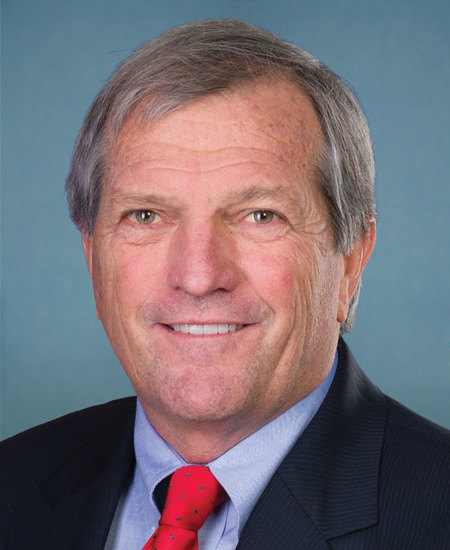
119th Congress Introduced by Mark DeSaulnier and 2 co-sponsors

Creates a CDC-led Reducing Youth Use of E-Cigarettes Initiative to research, prevent, and reduce youth and young adult use of e-cigarettes and emerging products, with funded interv

Introduced in House
0
WeVote Research Nonpartisan
Bill Summary · HR 10068

Overview

  • Bill: H.R. 10068 (119th Congress) – PROTECT Act (Preventing Opportunities for Teen E-Cigarette and Tobacco Addiction Act)
  • Purpose: Amend the Public Health Service Act to establish a comprehensive Reducing Youth Use of E-Cigarettes Initiative led by the CDC, aimed at researching, preventing, and reducing electronic cigarette and emerging tobacco product use among youth and young adults; and to enhance cessation resources and public awareness.
  • Introduced: August 6, 2026, by Rep. Wasserman Schultz (with Reps. Krishnamoorthi and DeSaulnier as co-sponsors)
  • Referral: House Committee on Energy and Commerce

What the bill would do

Establish the Reducing Youth Use of E-Cigarettes Initiative

  • Creates a new program under the Public Health Service Act (Sec. 317W) managed by the CDC Director.

Key components of the initiative

  1. Research and surveillance

    • Enhance state-level surveillance and employ rapid surveillance methods.
    • Study:
      • Product types used by youth/young adults and usage patterns (initiation, frequency, poly-use, flavors).
      • Association between youth use and initiation of cigarette or cigar smoking.
      • Demographic variations in use.
      • Access methods and distribution channels for electronic cigarettes and emerging products.
      • Advertising exposure and marketing strategies targeting different groups.
      • Reasons for use and nicotine dependence among users.
      • Cessation behaviors and quit attempts, including motivations and success factors.
      • Resources and tools used to quit (by youth/young adults).
  2. Product characteristics and health impacts

    • Research on nicotine delivery technology, biomarkers of exposure, and health effects.
    • Determine nicotine levels in electronic cigarettes and emerging products.
  3. Guidance for intervention and treatment

    • Develop guidance for health care providers, schools, and other entities on intervening with and treating youth/young adult users.
    • Disseminate this guidance in collaboration with relevant professional organizations.
  4. Prevention and cessation strategies

    • Identify and develop strategies to prevent and reduce use.
    • Develop new cessation strategies and improve access to services (including technology-delivered services).
    • Improve access and delivery of cessation services for youth/young adults.
  5. Public messaging

    • Create effective prevention and cessation messaging to deter initiation and reduce use among youth/young adults.
  6. Public health campaign

    • In coordination with the FDA Commissioner and the Surgeon General, develop and implement a campaign to reduce initiation and use, educate the public about the evolving tobacco product landscape, harms, and culturally competent intervention strategies.
  7. Funding existing tobacco control programs

    • Continue funding under the CDC’s National Tobacco Control Program to state/local/tribal entities for:
      • Preventing/reducing youth/young adult use of e-cigarettes and emerging products.
      • Improving access to cessation services, including quitlines and Medicaid/CHIP-covered cessation resources.
  8. Evaluation of strategies

    • Evaluate state, community, and school-based strategies for preventing initiation and use and for directing users to cessation services.

Administrative and coordination provisions

  • No duplication assurance: Activities should not duplicate other HHS efforts.
  • Strategy submission: Within 90 days of enactment, the Secretary must submit a strategy to the Senate HELP Committee and the House Energy and Commerce Committee and publish it publicly.
  • Authorization of appropriations: Authorizes $100 million annually for fiscal years 2027–2031 to fund the initiative.

Who would be affected

  • Youth and young adults (targeted populations for prevention, research, and cessation efforts).
  • Health care providers, schools, and community organizations (provided with new guidance and intervention tools).
  • State, local, territorial, tribal health departments, and related organizations (through continued CDC National Tobacco Control Program funding and expanded program activities).
  • Federal agencies (CDC and FDA coordination for campaigns and messaging).

Timeline and funding

  • Enactment triggers the establishment of the initiative and development of the strategy within 90 days.
  • Ongoing program funding authorized at $100 million per year for five fiscal years (2027–2031).

Potential impact (summary)

  • Aims to deepen understanding of how and why youth use e-cigarettes and emerging products, including flavors, access, and marketing strategies.
  • Seeks to strengthen prevention and cessation supports specifically tailored to youth and young adults, leveraging technology-based services.
  • Encourages coordinated federal campaigns and practitioner guidance to curb initiation and enhance treatment options.
  • Maintains continuity of existing tobacco control funding while expanding focus on e-cigarette and emerging product use among younger populations.

Compiled from official sources — confirm details with the bill’s official record.

Sign in to ask a question.