

WeVote

Bill

Bill

HJRES 17

Proposing a balanced budget amendment to the Constitution of the United States.

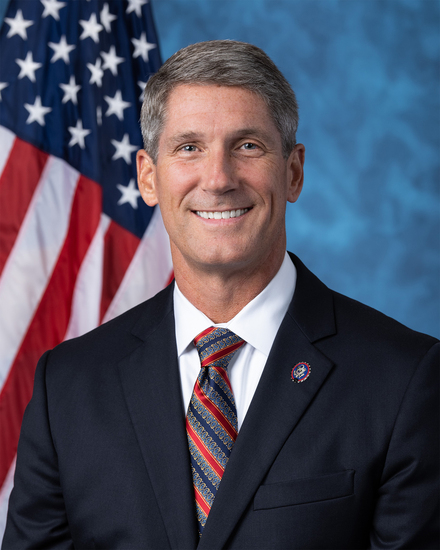
119th Congress Introduced by Scott Franklin and 1 co-sponsor

Proposes amending the Constitution to require each year's outlays not exceed receipts, with deficits allowed only if both Houses approve by two-thirds and specify the excess by law

Introduced in House
0
WeVote Research Nonpartisan
Bill Summary · HJRES 17

Legislative Summary: HJRES 17 — Proposing a Balanced Budget Amendment to the Constitution

Overview

HJRES 17 proposes a constitutional amendment intended to constrain annual federal outlays to not exceed annual receipts, effectively enacting a balanced budget. The amendment would take effect only if ratified by three-fourths of the states within seven years of its submission for ratification.

Purpose and Intent

  • Establish a legal framework to prevent annual deficits by tying total federal outlays to total receipts for each fiscal year.
  • Allow deficits only if both Houses of Congress, by rollcall vote, authorize a specific excess by law using a two-thirds vote of the total membership in each House.
  • Create a firm, enduring constraint on federal spending relative to revenue, with a defined path for exceptions through a legislative process.

Key Provisions

  • Text (as introduced in the version content):
    • “Total outlays for any fiscal year shall not exceed total receipts for that fiscal year, unless two-thirds of the whole number of each House of Congress shall provide by law for a specific excess of outlays over receipts by a rollcall vote.”
    • The amendment would become part of the Constitution after ratification by three-fourths of the state legislatures within seven years of its submission.
  • Primary requirement: annual balance between outlays and receipts (no deficits by default).
  • Deficit authorization: deficits allowed only if both the House of Representatives and the Senate approve by a two-thirds vote and by law specify the excess (via rollcall vote in each chamber).

Affected Parties and Impacts

  • Federal government: Mandatory constraint on annual spending; budgets would need to be balanced against current year revenue.
  • Congress: Must pass a law specifying any allowed excess via a two-thirds vote in both chambers; could affect appropriations, entitlement programs, defense, and other discretionary/mandatory spending.
  • States: Ratification process affects states; implementation would follow after ratification.
  • Economy: Could influence fiscal policy response to recessions or emergencies; potential increase in pressure to raise revenues, cut spending, or restructure entitlement programs to maintain balance.

Procedural and Timeline Details

  • Introduced: January 13, 2025.
  • Status: Introduced in the House and referred to the House Committee on the Judiciary.
  • Sponsor: Primary — Jay Obernolte; Co-sponsor — Scott Franklin.
  • Related/Bill Classifications: HJRES 10 and HJRES 11 are listed as companion measures.

Related Bills

  • HJRES 10 (companion)
  • HJRES 11 (companion)

Notes

  • The amendment text does not specify emergency exemptions beyond the required two-thirds congressional override to permit excess spending.
  • If not ratified within seven years, the proposal would not become part of the Constitution. The seven-year clock starts from the date of submission for ratification.

Compiled from official sources — confirm details with the bill’s official record.

Sign in to ask a question.