

WeVote

Bill

Bill

HB 4871

PROP TX-LONG-TIME OCCUPANT

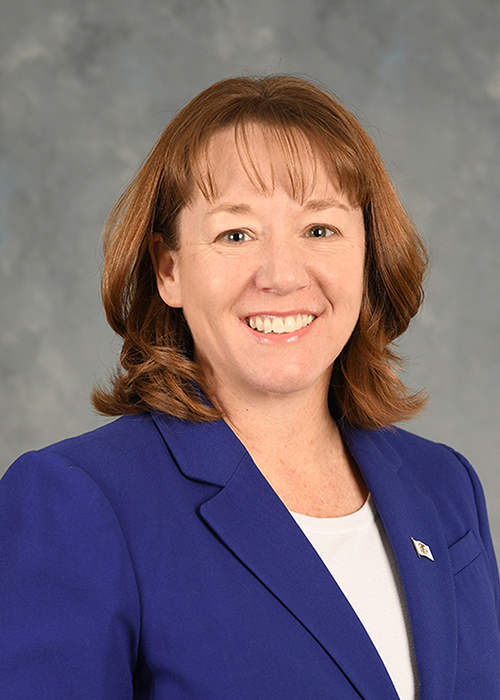
104th Regular Session Introduced by Amy Elik

Extends the long-time occupant homestead exemption to all Illinois counties starting in tax year 2027 for eligible homeowners meeting duration and income requirements.

0
WeVote Research Nonpartisan
Bill Summary · HB 4871

Bill Overview

  • Bill: HB4871
  • Session/Jurisdiction: Illinois 104th General Assembly
  • Introduced by: Rep. Amy Elik
  • Title: PROP TX-LONG-TIME OCCUPANT
  • Primary purpose: Extend the long-time occupant homestead exemption to all Illinois counties beginning in tax year 2027 (with certain existing provisions applying sooner in counties that opted into alternative exemptions). The bill makes this exemption law of the land statewide starting 2027 and clarifies eligibility requirements, calculation methods, and administration.

What the bill would do

  • Extend eligibility: Beginning in taxable year 2027, the long-time occupant homestead exemption would apply in all counties, regardless of whether the county has adopted related alternative exemptions.
  • Preserve existing mechanisms in certain counties: For counties that have already elected to be subject to alternative general homestead exemptions (Section 15-176) or alternative general homestead exemptions under Section 9-176, the long-time occupant exemption continues to reference and integrate with those structures as specified.
  • Define eligibility and calculations: The exemption is based on an “adjusted homestead value,” which is the lesser of:
    • The adjusted base value (as determined by income-based increases/decreases and other factors), or
    • The current year’s equalized assessed value minus the general homestead deduction.
  • Base homestead value: Establishes a base value in relation to the base year and whether the property had an adjusted homestead value in the base year. It can be adjusted if new improvements are added or if a new equalized assessed value would warrant a change.
  • Exemption amount: The exemption for a qualified homestead is the greater of:
    • The current year’s equalized assessed value minus the adjusted homestead value, or
    • The general homestead deduction.
  • Special provisions for multi-unit buildings: If a cooperative or life care facility contains qualifying units, the maximum total exemption for the building/facility cannot exceed the sum of exemptions for each unit, and the administrator must credit exemptions to the unit’s apportioned tax liability.
  • Income and occupancy requirements: A “qualified taxpayer” must have:
    • Occupied the same homestead as principal residence for either:
    • At least 10 consecutive years as of January 1 of the tax year, or
    • At least 5 consecutive years, if they obtained the property through a government or nonprofit housing program.
    • Household income of $100,000 or less.
  • Residency and ownership rules: If married and maintaining separate residences, only one such residence may claim the exemption. People receiving other specific homestead exemptions (e.g., Section 15-172, 15-175, or 15-176) are barred from claiming this exemption.
  • Transfers and sales: Provisions govern how the exemption remains or transfers when ownership changes (between spouses or parent/child) and when a sale occurs, including applicability to the remainder of the tax year under certain conditions.
  • Application and verification: Taxpayers must apply to the county assessor during the designated period and provide an affidavit of total household income, marital status, and principal dwelling place as of January 1. The Department will establish verification rules, and assessors may audit applicants. Applications must be signed under penalties of perjury, and misrepresentation can constitute perjury.
  • No state mandate reimbursement: The legislation clarifies that there is no required state reimbursement for mandates created by this Section.

Who would be affected

  • Homeowners in Illinois who are long-time occupants meeting the income (≤$100,000) and occupancy duration requirements.
  • Counties statewide (starting 2027) for processing exemptions, administering applications, and calculating tax relief.
  • Cooperative housing, life care facilities, and similar multi-unit residential settings, due to how exemptions are allocated within buildings.
  • Taxpayers currently receiving other homestead exemptions, who may be subject to interaction rules limiting eligibility for multiple exemptions.

Key procedural and timeline aspects

  • Effective date: The act takes effect upon becoming law.
  • Implementation timeline: While the exemption would apply in all counties beginning with taxable year 2027, counties already electing alternative exemptions may continue to operate under those frameworks as specified in the bill.
  • Administration and verification: Requires annual notices of application periods, income affidavits, and Department-established verification methods. Audits are authorized to ensure eligibility.
  • Compliance and penalties: Fraudulent applications are treated as perjury; misreporting can lead to penalties, including potential criminal consequences.

Summary in plain language

HB4871 would make Illinois’ long-time occupant homestead exemption available to qualifying homeowners in every county starting with tax year 2027. It defines eligible individuals as those who have lived in the same home for a long period (10 years, or 5 years if they received the home through a government/nonprofit program) and have household income of $100,000 or less. The exemption amount is computed using a clarified formula that blends current property value, base value, and the general homestead deduction, with special rules for multi-unit buildings. The bill also prescribes application, income verification, and auditing procedures, and aligns with existing exemption structures in counties that previously adopted alternative general homestead exemptions. It imposes no required state reimbursement for mandates arising from the bill.

Compiled from official sources — confirm details with the bill’s official record.

Sign in to ask a question.