

WeVote

Bill

Bill

SB 3946

PROP TX-BUDGET FILING

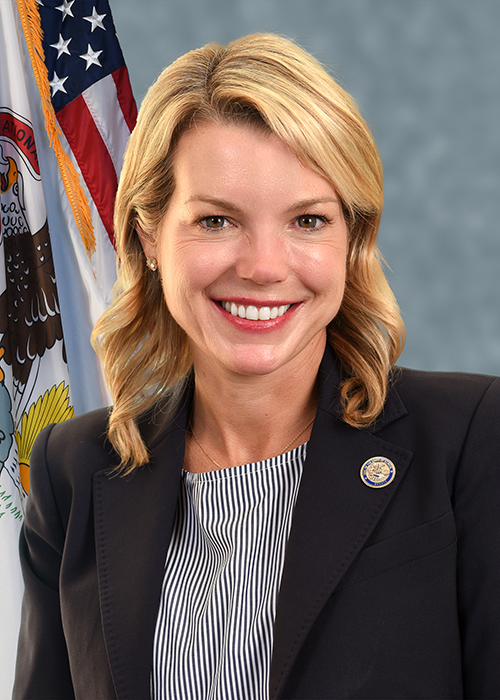
104th Regular Session Introduced by Erica Harriss

The bill standardizes and tightens deadlines, formats, and submission rules for property tax budget filings to improve transparency and timeliness.

0
WeVote Research Nonpartisan
Bill Summary · SB 3946

Summary of SB 3946 (104th Illinois General Assembly)

Title

PROP TX-BUDGET FILING

Purpose and intent

SB 3946 concerns the process and timing for filing and adopting annual property tax budget information within Illinois. The bill is designed to establish or adjust requirements related to budget filing for property tax purposes, clarifying deadlines, reporting obligations, and the submission of budget documents to relevant authorities. The overall aim is to improve transparency, consistency, and timeliness in the budget filing process for property tax administration.

Key provisions and changes

  • Budget filing requirements: The bill sets forth specific obligations for entities responsible for property tax budgets, including the content and format of required filings. This may include summarized budget data, revenue projections, expenditure plans, and supporting analyses.
  • Deadlines and timelines: SB 3946 outlines due dates by which budgets must be filed with the appropriate local or state authorities. It may establish grace periods, late filing penalties, or extensions under certain circumstances.
  • Reporting standards: The measure prescribes standards for what must be included in the budget documents (e.g., tax levy amounts, rate changes, anticipated tax base changes). It may require standardized language or templates to facilitate comparability across jurisdictions.
  • Submission to authorities: Provisions specify which agencies or offices receive the budget filings (e.g., county clerks, boards of review, or a state department overseeing property taxes) and the method of submission (electronic, paper, or both).
  • Public disclosure: The bill may mandate or encourage public dissemination of the budget information, ensuring taxpayers have access to budgetary data and related explanations.
  • Enforcement and remedies: There could be penalties for noncompliance or mechanisms to resolve filing deficiencies, including audit rights or corrective action plans.

Who is affected

  • Local government units and taxing districts: Cities, towns, counties, townships, school districts, and other entities that prepare and levy property taxes.
  • Budget officers and finance departments: Officials responsible for preparing, signing off on, and submitting property tax budgets.
  • Property owners and taxpayers: Indirectly affected through greater transparency and potential predictability in tax-related budgeting.
  • County clerks and state agencies: Government offices involved in receiving, reviewing, and publishing budget filings.

Procedural and timeline considerations

  • The bill specifies the timing for when budgets must be filed annually.
  • It outlines the process by which filings are reviewed, accepted, or deemed incomplete.
  • It may include transitional provisions if it changes existing deadlines or filing formats, detailing how current-year filings are to be handled during the transition.

Notes

  • A co-sponsor is Erica Harriss, indicating bipartisan or cross-chamber support, depending on the chamber’s structure.
  • The summary above reflects typical components of a property tax budget filing bill and is based on the bill's title and jurisdiction; exact text could include additional provisions or nuanced requirements. For precise language, reference the enrolled bill text and any fiscal notes or committee analyses.

Compiled from official sources — confirm details with the bill’s official record.

Sign in to ask a question.