

WeVote

Bill

Bill

A 697

Prohibits the use of the term "excited delirium" as a diagnosis, label, or cause of death

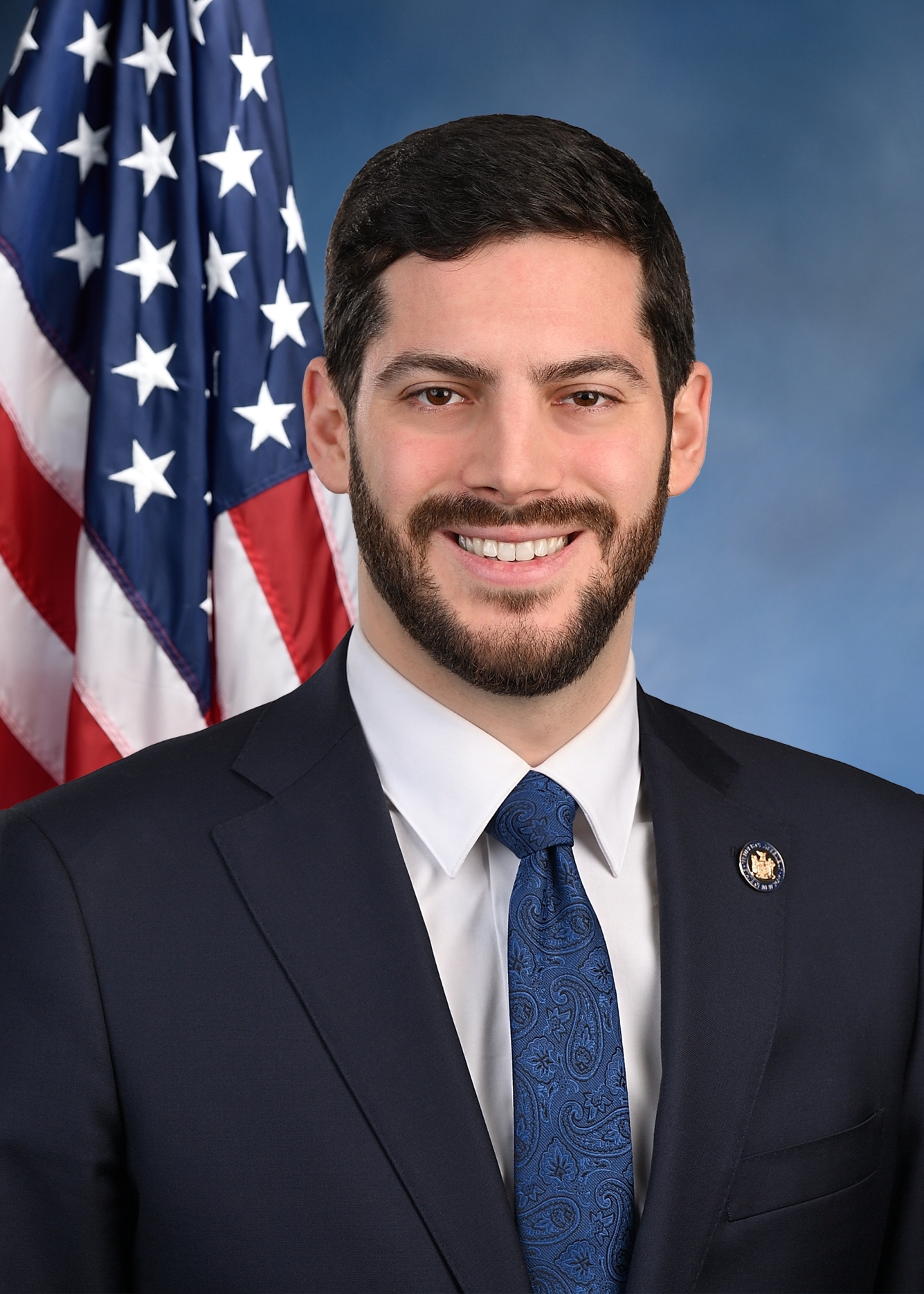
2025 Regular Session Introduced by Alex Bores and 20 co-sponsors

New York bill prohibits classifying deaths as "excited delirium," removing contested diagnosis from state medical records and death certificates.

SUBSTITUTED BY S1714
0
WeVote Research Nonpartisan
Bill Summary · A 697

Legislative bill overview

Bill A 697 prohibits New York from recognizing "excited delirium" as a medical diagnosis, clinical label, or official cause of death in any state records, medical examinations, or death certificates. The bill effectively removes this diagnostic category from use in medical and legal proceedings within New York State.

Why is this important

Excited delirium has been controversial because it's frequently cited in deaths involving police restraint, mental health crises, or substance use—situations where the diagnosis can obscure underlying causes and complicate accountability. Eliminating it from official records could change how deaths are classified and investigated, potentially affecting both public health data and civil liability cases. This reflects broader debates about medical terminology's role in documenting deaths involving law enforcement or custody.

Potential points of contention

  • Medical validity dispute: Some medical professionals argue excited delirium describes a real physiological state, while critics contend it lacks scientific consensus and has been used to explain away preventable deaths
  • Impact on death investigations: Removing the diagnosis category may complicate how medical examiners classify certain deaths, potentially forcing reclassification but also potentially reducing ambiguity in official records
  • Scope and enforceability: The bill's blanket prohibition raises questions about whether it applies to private medical records, historical documents, and whether it affects how out-of-state medical examiners report findings

Compiled from official sources — confirm details with the bill’s official record.

Sign in to ask a question.