

WeVote

Bill

Bill

A 9349

Prohibits the use of surveillance pricing

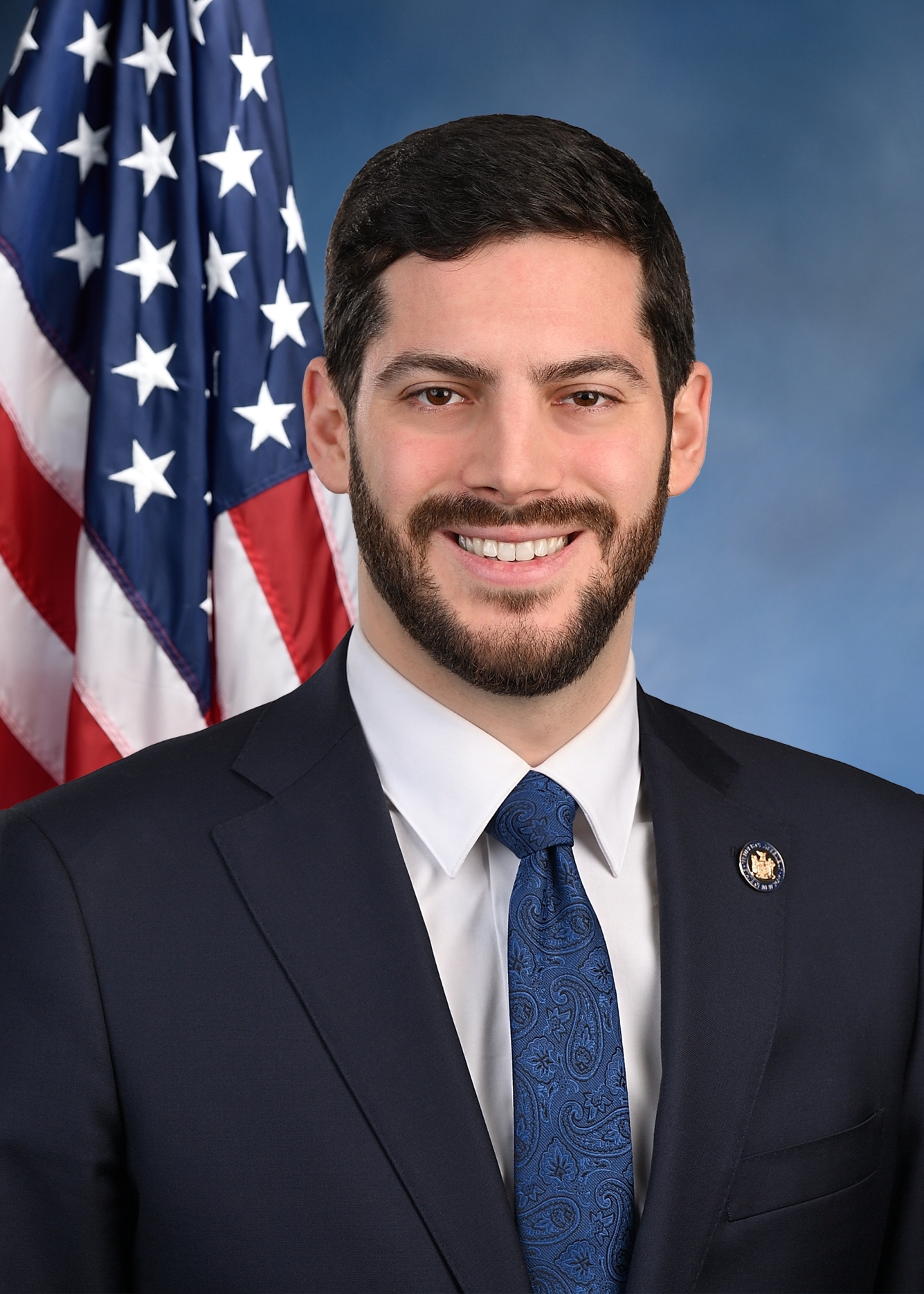
2025 Regular Session Introduced by Alex Bores and 29 co-sponsors

Prohibits surveillance pricing by algorithms using personal data and requires clear disclosures for any dynamic pricing or discounts in New York.

PRINT NUMBER 9349A
0
WeVote Research Nonpartisan
Bill Summary · A 9349

Summary of Bill A 9349-A (2025-2026) — New York

Main purpose and intent

  • Prohibits the use of surveillance pricing, defined as dynamic pricing that is partially or wholly determined by an algorithm using a consumer’s personal data to offer different prices to different customers for the same goods or services.
  • Seeks to protect consumers from price discrimination based on personal data and to require clear disclosures when dynamic pricing or bona fide discounts are used.

Key provisions and changes

  • Definitions (Section 349-a, as amended):

    • Clarifies terms related to pricing practices, including:
    • Algorithm: computational process generating outputs or price-related operations.
    • Dynamic pricing: price changes automatically based on conditions via algorithms.
    • Surveillance pricing: pricing set completely or in part by an algorithm using personal data to vary prices for the same goods/services.
    • Bona fide discounts and bona fide custom discounts, with specific criteria for what qualifies.
    • Reference price, consumer price, and other terms clarifying how prices and discounts are presented.
    • Online marketplace and independent third-party entity definitions to cover digital platforms.
  • Prohibition on surveillance pricing and related disclosures (Section 2):

    • Prohibits entities and service providers from:
    • Using surveillance pricing to set or adjust prices for consumers.
    • Advertising or displaying surveillance pricing to consumers.
    • Collecting, using, retaining, sharing for consideration, or disclosing personal data to facilitate surveillance pricing.
    • Offering bona fide custom discounts without clearly disclosing eligibility conditions prior to offering.
    • Offering bona fide custom discounts unless uniformly available to all consumers who meet disclosed conditions.
    • Using dynamic pricing more than once in a 24-hour period without clearly disclosing the use, frequency, and factors involved.
    • If an entity does use dynamic pricing, must disclose:
    • The use of dynamic pricing, how often prices may change, and the factors affecting current pricing.
  • Exceptions (Section 3):

    • Exempts certain entities and scenarios, including:
    • Insurers and related regulatory contexts.
    • Financial institutions and affiliates under specific federal statutes and rules, especially where pricing relates to credit risk.
    • Pricing required or expressly authorized by federal or state law.
    • The bill clarifies that it does not affect prices or bona fide discounts except to enforce surveillance pricing prohibitions and dynamic pricing disclosures where applicable.
  • Enforcement (Section 4):

    • Provides enforcement mechanisms by the New York Attorney General.
    • Violations carry civil penalties:
    • A supplemental civil penalty of up to $5,000 for the first violation.
    • Up to $20,000 for each subsequent violation.
    • Potential recovery of profits from the violation, whichever is greater.
    • Penalties and remedies may be used to enforce consumer protection and data privacy.
    • The AG may seek other appropriate remedies; the act allows for court-imposed injunctive relief when violations are found.
    • The section references alignment with existing provisions in Section 349 of the general business law for remedies and penalties.
  • Administration (Section 5) & Severability (Section 6):

    • AG may promulgate rules and regulations as needed to implement the act.
    • If any provision is found invalid, the remainder remains in effect (typical severability language).
  • Effective date (Section 7):

    • The act takes effect 180 days after becoming law.
    • The act authorizes interim rulemaking to implement on or before the effective date.

Who would be affected

  • Entities that set prices for goods or services in New York, including online marketplaces and other intermediaries that use algorithms and personal data for pricing.
  • Service providers acting on behalf of regulated entities.
  • Consumers in New York State who could be subject to surveillance pricing or dynamic pricing disclosures.

Procedural and timeline notes

  • Introduced in December 2025; referred to the Assembly Committee on Consumer Affairs and Protection, with subsequent amendments and recommittal to the same committee.
  • Action history shows subsequent committee activity and a printing/reintroduction as A 9349-A (May 2026).
  • Effective date is 180 days after enactment, with ongoing rulemaking to implement provisions.

Potential impact and considerations

  • Aims to curb price discrimination based on personal data, increasing transparency around how prices are determined.
  • Requires explicit disclosures for dynamic pricing and bans the use of personal data to tailor prices for individuals, barring bona fide discounts with clear eligibility criteria.
  • Creates higher penalties for violations to deter surveillance pricing practices.
  • Could affect business models relying on personalized pricing, loyalty-program discounts, and online marketplace pricing structures.

If you’d like, I can provide a side-by-side comparison with existing New York general business pricing laws or outline potential compliance checklists for businesses.

Compiled from official sources — confirm details with the bill’s official record.

Sign in to ask a question.