

WeVote

Bill

Bill

A 6683

Prohibits the use of aversive conditioning and other certain punishments

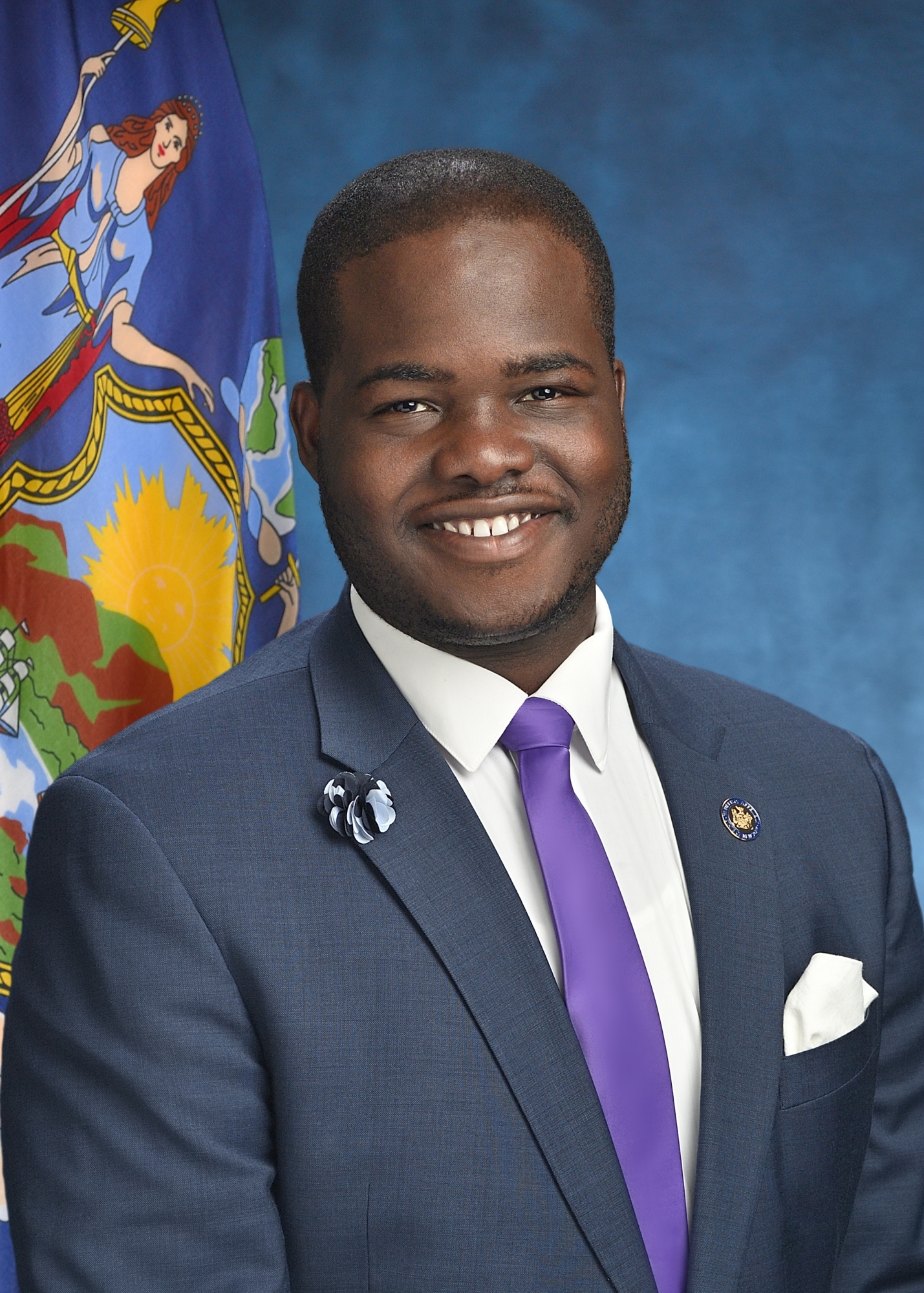
2025 Regular Session Introduced by Khaleel Anderson and 15 co-sponsors

Bill A 6683 bans harmful aversive conditioning and punishments, protecting children and individuals with disabilities while promoting positive behavioral support strategies.

REFERRED TO CHILDREN AND FAMILIES
0
WeVote Research Nonpartisan
Bill Summary · A 6683

Summary of Bill A 6683: Prohibiting Aversive Conditioning and Certain Punishments

Bill Overview

  • Bill Number: A 6683
  • Title: Prohibits the use of aversive conditioning and other certain punishments
  • Status: Referred to Children and Families
  • Introduced: March 07, 2025
  • Classification: Bill

Purpose and Intent

Bill A 6683 aims to protect children and individuals with disabilities from harmful practices associated with aversive conditioning and other punitive measures. The intent is to promote positive behavioral interventions and support, ensuring the safety and well-being of vulnerable populations.

Key Provisions

The bill includes the following significant provisions:

  • Prohibition of Aversive Conditioning: The bill explicitly prohibits the use of aversive conditioning techniques, which may include physical punishment, electric shocks, or other forms of negative reinforcement aimed at modifying behavior.

  • Ban on Certain Punishments: In addition to aversive conditioning, the bill seeks to outlaw other punitive measures that could cause physical or psychological harm to individuals, particularly children and those with disabilities.

  • Promotion of Positive Interventions: The legislation encourages the adoption of positive behavioral support strategies that focus on constructive reinforcement rather than punitive actions.

Affected Parties

The primary groups affected by this legislation include:

  • Children: Particularly those in educational and care settings where aversive conditioning may be employed.

  • Individuals with Disabilities: Those who may be subjected to harmful behavioral modification techniques.

  • Educational and Care Institutions: Schools, residential facilities, and other organizations that provide care and education to children and individuals with disabilities will need to adjust their behavioral management practices in compliance with the new law.

Procedural Aspects

  • Legislative Action: As of March 07, 2025, the bill has been referred to the Committee on Children and Families for further consideration.

  • Related Legislation: This bill is related to prior-session bills A 10289 and A 1166, as well as companion bill S 937, indicating ongoing legislative interest in addressing the issues surrounding aversive conditioning and punitive measures.

Conclusion

Bill A 6683 represents a significant step towards safeguarding the rights and well-being of children and individuals with disabilities by prohibiting harmful behavioral modification practices. The bill's focus on positive interventions aligns with contemporary approaches to behavioral management, promoting a more supportive environment for vulnerable populations. As it moves through the legislative process, stakeholders will be watching closely for developments and potential impacts on existing practices in educational and care settings.

Compiled from official sources — confirm details with the bill’s official record.

Sign in to ask a question.