

WeVote

Bill

Bill

A 7594

Prohibits the sale of playground surfacing materials that contain PFAS, PAHs or more than ninety parts per million of lead; and provides penalties for violations

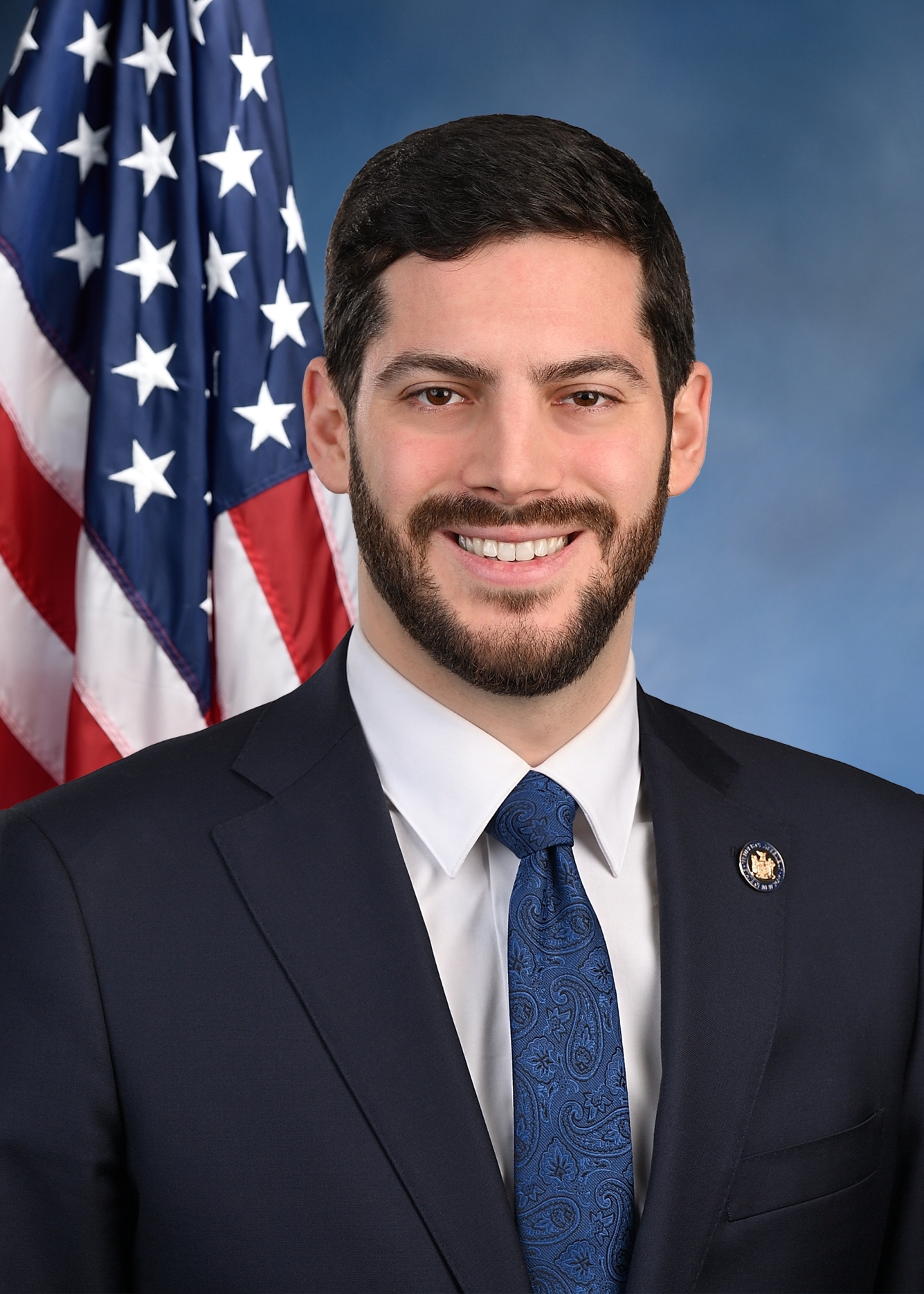
2025 Regular Session Introduced by Alex Bores and 18 co-sponsors

Prohibits sale of New York playground surfacing that contains PFAS, PAHs, or more than 90 ppm lead, with penalties for violations.

AMEND AND RECOMMIT TO RULES 7594C
0
WeVote Research Nonpartisan
Bill Summary · A 7594

Summary of New York Bill A 7594

Overview

Bill A 7594 prohibis the sale of playground surfacing materials that contain PFAS, PAHs, or more than 90 parts per million (ppm) of lead, and establishes penalties for violations. The bill is currently referred to the Environmental Conservation Committee.

  • Status: Referred to Environmental Conservation (April 1, 2025)
  • Introduced: April 1, 2025
  • Primary sponsor: Jen Lunsford
  • Cosponsors: Judy Griffin, John T. McDonald III, Jonathan Jacobson, MaryJane Shimsky, Andrew Hevesi, Linda Rosenthal, Dana Levenberg, Rebecca Seawright, Catalina Cruz, Rebecca Kassay, Steven Raga, Micah Lasher, Keith Brown, Karines Reyes, David Weprin, Harvey Epstein, Jen Lunsford (primary), Jeffery Dinowitz
  • Related bills: Companion S 3852; related prior-session S 8932

Purpose and Intent

  • Protect children and users of playgrounds by limiting exposure to hazardous chemicals in surfacing materials.
  • Ensure that materials used in playgrounds are free from certain toxic substances or exceedances of lead.

Key Provisions (Substantive Provisions Likely in Text)

Note: The summary reflects the bill’s stated prohibitions and penalties; specific definitions and enforcement details would be in the enacted text.

  • Sale prohibition: Prohibits the sale of playground surfacing materials in New York that contain:
    • PFAS (per- and polyfluoroalkyl substances)
    • PAHs (polycyclic aromatic hydrocarbons)
    • Lead content greater than 90 ppm
  • Materials covered: Applies to materials used as playground surfacing (e.g., components like tiles, loose-fill, rubberized surfaces, and similar products intended for playground surfaces). Exact definitions would appear in the bill.
  • Penalties for violations: Establishes penalties for violations of the sale prohibition. Specific penalty amounts or structures (fines, civil penalties, etc.) would be defined in the text of the bill.
  • Enforcement: Enforcement authority would be designated to the environmental or related state agency (consistent with environmental protection statutes). The bill would outline enforcement mechanisms and remedies for violations.

Who Would Be Affected

  • Manufacturers, distributors, and retailers of playground surfacing materials selling in New York State.
  • Public and private playground operators (schools, parks, daycares, municipalities, recreation facilities) that purchase and install surfacing materials.
  • Local governments and procurement entities responsible for playground infrastructure.

Effective Date and Process

  • The bill’s current status is committee referral in the Environmental Conservation Committee. If enacted, an effective date and any phase-in period would be specified in the final text.

Potential Impacts and Considerations

  • Public health and safety: Reduced exposure to PFAS, PAHs, and lead in playground environments.
  • Market impact: May require suppliers to verify product contents, implement testing, and reformulate products to meet the 90 ppm lead standard and absence of PFAS/PAHs.
  • Compliance steps for buyers:
    • Review current inventory of playground surfacing materials.
    • Verify product certifications and content disclosures.
    • Transition to compliant products before sale and installation in New York.

Related Information

  • Companion bill identified: S 3852 (with a related companion in the Senate)
  • Related prior-session: S 8932
  • This bill aligns with legislative efforts to reduce toxic chemical exposure in common consumer and public-use products.

If you’d like, I can tailor this summary to include hypothetical compliance checklists, potential cost ranges based on typical industry adjustments, or a comparison with the Senate companion S 3852 once the text is available.

Compiled from official sources — confirm details with the bill’s official record.

Sign in to ask a question.