

WeVote

Bill

Bill

A 5850

Prohibits the participation of certain animals in traveling animal acts

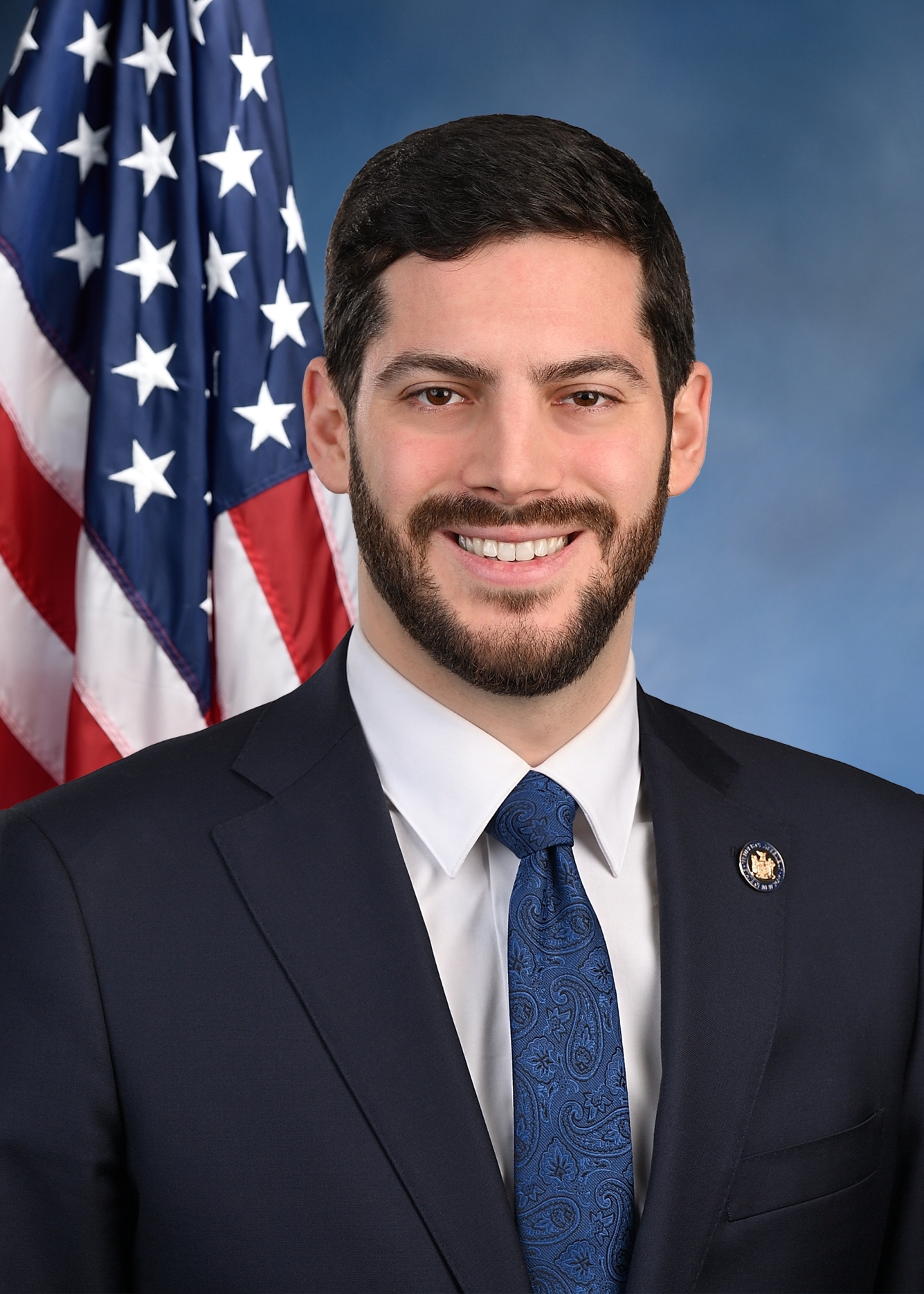
2025 Regular Session Introduced by Alex Bores and 28 co-sponsors

Creates a separate disorderly persons offense for concealing identity with a mask during another crime, with limited medical/religious/expressive exemptions.

REPORTED
0
WeVote Research Nonpartisan
Bill Summary · A 5850

Overview

Note: The bill’s official title in the provided record appears to concern traveling animal acts, but the introduced version text governs concealment of identity. Based on the introduced content, A 5850 would create a new disorderly persons offense for concealing one’s identity by wearing a mask or disguise while committing another crime, with specific limits and exemptions.

  • Bill number: A 5850
  • Title (as listed): Prohibits the participation of certain animals in traveling animal acts
  • Introduced: June 19, 2025
  • Status: REPORTED REFERRED TO RULES
  • Primary jurisdiction: New Jersey Legislature (Title 2C referenced for underlying offenses)

Purpose and intent

  • To establish a specific offense for concealing a person’s identity with a mask or disguise at the time the person commits another crime.
  • To deter crimes where the perpetrator uses a mask or disguise to instill fear, hinder prosecution, or avoid apprehension.
  • To clarify that certain mask-wearing for medical, religious, or expressive purposes is not to be treated as having the criminal intent described in the bill.
  • To ensure the new offense does not merge with other offenses for sentencing purposes.

Key provisions

  • a) Creation of a disorderly persons offense:

    • A person commits a disorderly persons offense if they conceal or attempt to conceal their identity by wearing a mask or disguise with the purpose of instilling fear, hindering prosecution, or avoiding apprehension while committing another crime or offense.
    • Exemption: Wearing a mask or disguise for medical, religious, or expressive purposes shall not be deemed to serve the stated purpose.
  • b) Charging prerequisite:

    • A violation cannot be charged unless: 1) The person is charged with an underlying crime or offense under Title 2C, and 2) The person was wearing a mask or disguise at the time the underlying crime or offense was committed.
  • c) Non-merger provisions:

    • Convictions under subsection (a) shall not merge with a conviction of any other criminal offense, nor shall any other conviction merge with a conviction under subsection (a).
  • Offense classification and penalties:

    • The offense is a disorderly persons offense.
    • Penalty: Up to six months’ imprisonment, a fine of up to $1,000, or both.
  • Effective date:

    • The act would take effect immediately upon enactment.

Who/what is affected

  • Individuals who conceal their identity with a mask or disguise while committing an underlying crime under Title 2C.
  • The provision includes an explicit exemption for mask/disguise use for medical, religious, or expressive purposes.
  • The provision interacts with existing criminal charges by requiring an underlying Title 2C offense and by not allowing the offense to merge with other offenses for sentencing.

Procedural and timeline aspects

  • Introduced in June 2025 and referred to the Assembly Judiciary Committee (with prior committee referrals noted in the record).
  • The status indicates it has been reported and referred to RULES, suggesting it is moving through standard committee and floor consideration paths.
  • Related companion bills exist (e.g., S 4842; S 3629) and several prior-session A-series bills, indicating multiple legislative efforts on related topics.

Legislative context

  • Sponsors: Includes multiple primary and cosponsors (e.g., Hutchison, Dan; Deborah Glick as primary; numerous cosponsors).
  • Related bills: S 4842 (companion), S 3629 (companion), and several prior-session counterparts (A 8157, A 3673, A 5542, A 4005).

Potential impact

  • Increases potential criminal exposure for individuals who mask their identity while committing a crime, adding a separate offense that does not merge with other offenses.
  • Creates a narrow carve-out for masks worn for medical, religious, or expressive purposes to protect First Amendment or accommodation considerations.
  • Could affect cases where the underlying crime and masking occur simultaneously; the underlying crime must be charged for the masking offense to be applicable.
  • Immediate effective date means these provisions would apply upon enactment.

Compiled from official sources — confirm details with the bill’s official record.

Sign in to ask a question.