

WeVote

Bill

Bill

A 3118

Prohibits the handcuffing or forcible restraint of certain juveniles in certain circumstances; limits warrantless arrests of juveniles except where the arrest is necessary for public safety

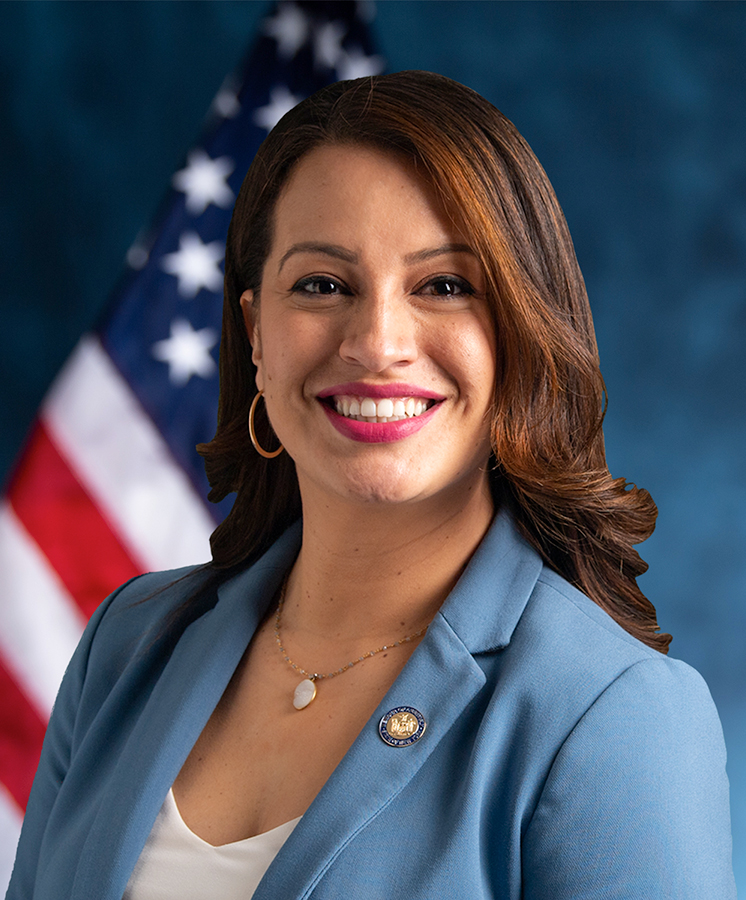
2025 Regular Session Introduced by Catalina Cruz

Prohibits handcuffing/forcible restraint of certain juveniles and restricts warrantless arrests to public-safety emergencies, guiding police practices accordingly.

REFERRED TO CODES
0
WeVote Research Nonpartisan
Bill Summary · A 3118

Summary of Bill A 3118

Overview

  • Bill: A 3118
  • Title: Prohibits the handcuffing or forcible restraint of certain juveniles in certain circumstances; limits warrantless arrests of juveniles except where the arrest is necessary for public safety
  • Jurisdiction: New York State Assembly (A-series bill)
  • Sponsor: Catalina Cruz (primary)
  • Status: REFERRED TO CODES
  • Introduced: January 23, 2025
  • Related legislation: A 10128 (prior-session), A 429 (prior-session)

Purpose and Intent

The bill aims to reform police interaction with juveniles by:
- Prohibiting the use of handcuffs or forcible restraint on certain juveniles in specified situations
- Limiting warrantless arrests of juveniles, restricting such arrests to circumstances where public safety requires it

These provisions are designed to protect juveniles from certain uses of restraint and reduce discretionary, warrantless juvenile arrests, emphasizing alternatives to arrest when appropriate.

Key Provisions (Conceptual Summary)

  • Prohibition on restraints: The bill would bar handcuffing or forcible restraint of defined categories of juveniles in particular scenarios outlined by the measure.
  • Warrantless arrests: The bill would place limits on warrantless arrests of juveniles, allowing them only when necessary to protect public safety or under other narrowly defined conditions.
  • Definitions: The bill would establish specific definitions for terms such as “certain juveniles” and “certain circumstances” to determine when restraints and warrantless arrests are prohibited or restricted.
  • Compliance framework: The measure would require law enforcement practices and policies to align with the new prohibitions and limitations, potentially including training, reporting, and oversight mechanisms.

Note: The precise definitions, thresholds, and procedures would be contained in the full text of the bill not provided here.

Affected Parties and Impacts

  • Juveniles: Potentially reduced exposure to handcuffing, forcible restraint, and warrantless arrest in qualifying situations.
  • Law enforcement agencies: Would need to adjust policies, training, and response protocols to comply with the prohibitions and limitations.
  • Schools and community settings: Possible guidance on handling juvenile incidents and interactions with law enforcement in school or related environments.
  • Juvenile justice system: May influence intake decisions, diversion options, and overall emphasis on alternatives to arrest.

Procedural and Timeline Considerations

  • Referral: Referred to the Codes Committee on January 23, 2025.
  • Next steps: The bill would proceed through committee review, potential amendments, and floor consideration. The current information shows only the initial referral action with no further steps listed.

Context and Related Legislation

  • Related bills from prior sessions (A 10128, A 429) suggest ongoing or prior-interest in reforming juvenile interaction with law enforcement, restraints, and arrest practices. The current A 3118 likely builds on or aligns with concepts explored in those related measures.

Notes for Readers

  • The exact scope, definitions, and operational requirements will depend on the full text of A 3118. The summary above reflects the stated purpose and the high-level changes described in the bill’s title and summary.

If you’d like, I can map these proposals to potential real-world scenarios or compare A 3118 to the related prior-session bills to highlight similarities and differences.

Compiled from official sources — confirm details with the bill’s official record.

Sign in to ask a question.