

WeVote

Bill

Bill

A 6491

Prohibits the creation and dissemination of synthetic media within sixty days of an election with intent to unduly influence the outcome of an election

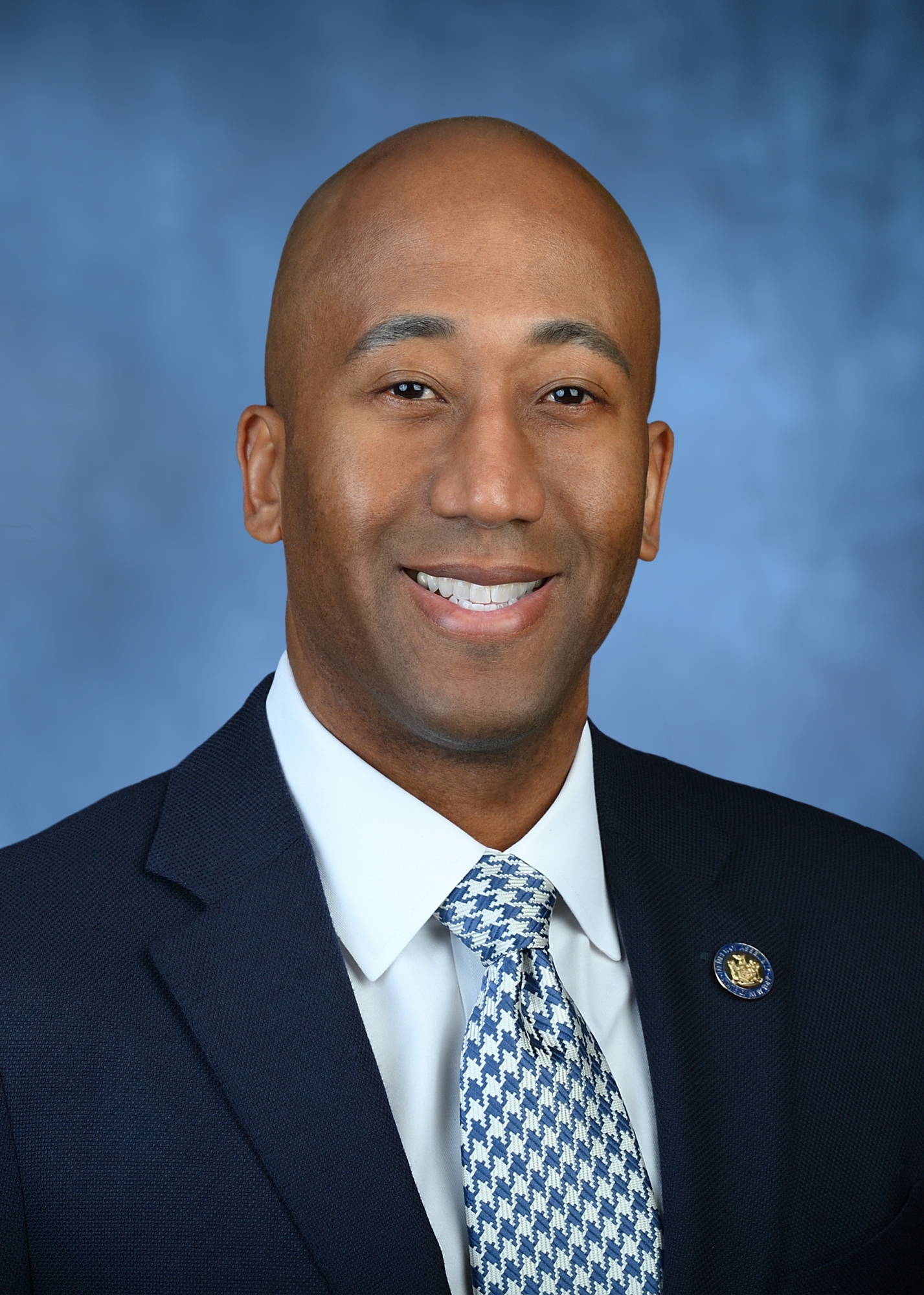
2025 Regular Session Introduced by Clyde Vanel

Prohibits creating or sharing synthetic media within 60 days of an election when done to unduly influence the outcome, affecting creators, advertisers, and platforms near polls.

REFERRED TO ELECTION LAW
0
WeVote Research Nonpartisan
Bill Summary · A 6491

Summary of Bill A 6491

Overview

Bill A 6491 would prohibit the creation and dissemination of synthetic media within a 60-day window before an election, specifically when the content is created or shared with the intent to unduly influence the election’s outcome. The bill is categorized under Election Law and was introduced on March 5, 2025. It has been referred to the Election Law committee for consideration. A related bill from a prior session is A 6790.

Purpose and intent

  • The main goal is to curb last-minute manipulation of election outcomes through synthetic media (e.g., digitally altered or artificially generated content).
  • The prohibition targets content created or disseminated with the purpose of unduly influencing voters or the election result within the specified window.

Key provisions (as described)

  • Prohibition period: Synthetic media may not be created or disseminated within 60 days of an election.
  • Intent standard: The ban applies when the content is created or shared with the intent to unduly influence the election outcome (i.e., the intent to influence is a defining element of the violation).
  • Scope of prohibition: Applies to both the creation and distribution of synthetic media during the restricted period.

Note: The summary does not include the bill’s definitions of “synthetic media” or “unduly influence,” nor any penalties, enforcement mechanisms, or exemptions. Those details would appear in the full text of the bill.

Who would be affected

  • Individuals and organizations that create synthetic media.
  • Individuals and organizations that disseminate synthetic media within 60 days of an election.
  • The bill’s provisions may impact campaign committees, political advertisers, media companies, social platforms, journalists, and anyone who could produce or share synthetic content near an election.

Procedural and timeline aspects

  • Introduced: March 5, 2025.
  • Status: Referred to Election Law (the committee responsible for considering election-related legislation).
  • Next steps: The bill would undergo committee review, potential amendments, and, if approved, proceed to floor votes and onward through the legislative process.

Related legislation

  • A 6790 (prior-session): Noted as a related bill, suggesting similar or related policy or prior legislative interest in synthetic media and election integrity.

Potential implications and considerations

  • Enforcement questions: How “intent to unduly influence” is determined and proven, and how evidence of intent would be evaluated.
  • Definitions: How “synthetic media” is defined (e.g., level of manipulation, platforms, forms of media) will shape the scope.
  • Penalties and remedies: The bill’s penalties, civil or criminal consequences, and available defenses are not specified in the summary.
  • Practical impact: Could affect content creators, media outlets, political campaigns, and online platforms, potentially prompting platform policies around near-election content.

How to track

  • Watch for further action in the Election Law committee, including any fiscal notes, amendments, and eventual floor votes.
  • Review the full text for precise definitions, exceptions, enforcement provisions, and penalties once released.

Compiled from official sources — confirm details with the bill’s official record.

Sign in to ask a question.