

WeVote

Bill

Bill

A 318

Prohibits speech-based defenses to actions brought against an individual for the unlawful dissemination of publication of an intimate image

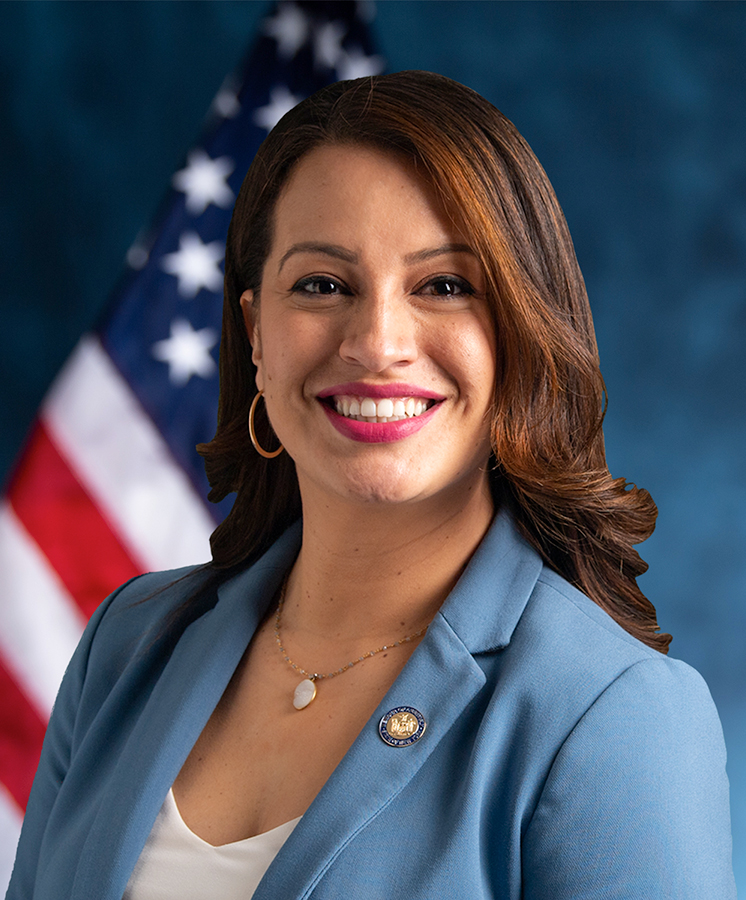
2025 Regular Session Introduced by Catalina Cruz and 1 co-sponsor

Prohibits speech-based defenses in cases of non-consensual intimate-image dissemination, strengthening victims' protections and accountability for sharers.

REFERRED TO CODES
0
WeVote Research Nonpartisan
Bill Summary · A 318

Overview

Bill A 318 prohibits speech-based defenses in actions arising from the unlawful dissemination or publication of an intimate image. Introduced on January 8, 2025, the bill has been referred to the Assembly Committee on Codes for consideration. The primary sponsor is Assemblymember Catalina Cruz, with Assemblymember John Zaccaro Jr. as a cosponsor. The bill has related companion legislation in the Senate (S 1822) and a prior-session related Assembly bill (A 6874).

Purpose and intent

  • To remove or restrict defenses based on speech in civil or criminal actions concerning the dissemination/publication of an intimate image without consent.
  • Aligns legal recourse with the goal of protecting victims from the harms associated with non-consensual sharing of intimate images by limiting speech-based justifications or constitutional defenses that could otherwise be used to avoid liability.

Key provisions (as introduced)

  • Prohibits speech-based defenses to actions brought against an individual for unlawfully disseminating or publishing an intimate image.
  • The language suggests that traditional free-speech defenses or other defenses grounded in speech would not be applicable to these specific actions.
  • The exact scope (civil, criminal, or both), definitions of “unlawful dissemination” and “intimate image,” and any exceptions would be detailed in the full text and accompanying bill notes.

Affected parties

  • Individuals accused of disseminating an intimate image without consent (potential defendants in civil or criminal actions).
  • Victims of non-consensual dissemination of intimate images (potential plaintiffs or respondents in related proceedings).
  • Legal practitioners and courts interpreting and applying protections related to speech and publication in the context of intimate images.

Legislative history and status

  • Introduced: January 8, 2025.
  • Status: Referred to the Assembly Committee on Codes.
  • Legislative actions listed: Two identical entries noting “REFERRED TO CODES” on January 8, 2025.
  • Related/companion legislation:
    • S 1822 (Senate companion)
    • A 6874 (prior-session related Assembly bill)

Related legislation

  • Companion Senate bill: S 1822 (listed twice as companion).
  • Prior-session related Assembly bill: A 6874, which may have addressed similar issues or served as a basis for current drafting.
  • These relationships indicate cross-chamber interest in harmonizing restrictions on speech-based defenses in cases involving the dissemination of intimate images.

Potential impact and considerations

  • Victim protection: Strengthens remedies by limiting defenses that could undermine accountability for disseminating intimate images.
  • First Amendment and free-speech considerations: The bill narrows or eliminates speech-based defenses in the specified context, which may raise questions about balancing free-expression rights with protections against harm to victims.
  • Implementation: Full text would define key terms (e.g., what constitutes an “intimate image,” “unlawful dissemination”) and specify whether the bill applies to civil actions, criminal prosecutions, or both, as well as any procedural exemptions.

Timeline and next steps

  • After referral to Codes, the bill would undergo committee review, potential amendments, and, if advanced, floor consideration in the Assembly and possibly the Senate in a companion form. Public hearings, votes, and potential revisions would shape final passage and any necessary differences between the Assembly and Senate versions.

Note: This summary reflects information provided and does not substitute for the full text, which would specify definitions, scope, and any exceptions.

Compiled from official sources — confirm details with the bill’s official record.

Sign in to ask a question.