

WeVote

Bill

Bill

A 10672

Prohibits public utilities from passing along the cost of site investigation and remediation efforts on to rate payers

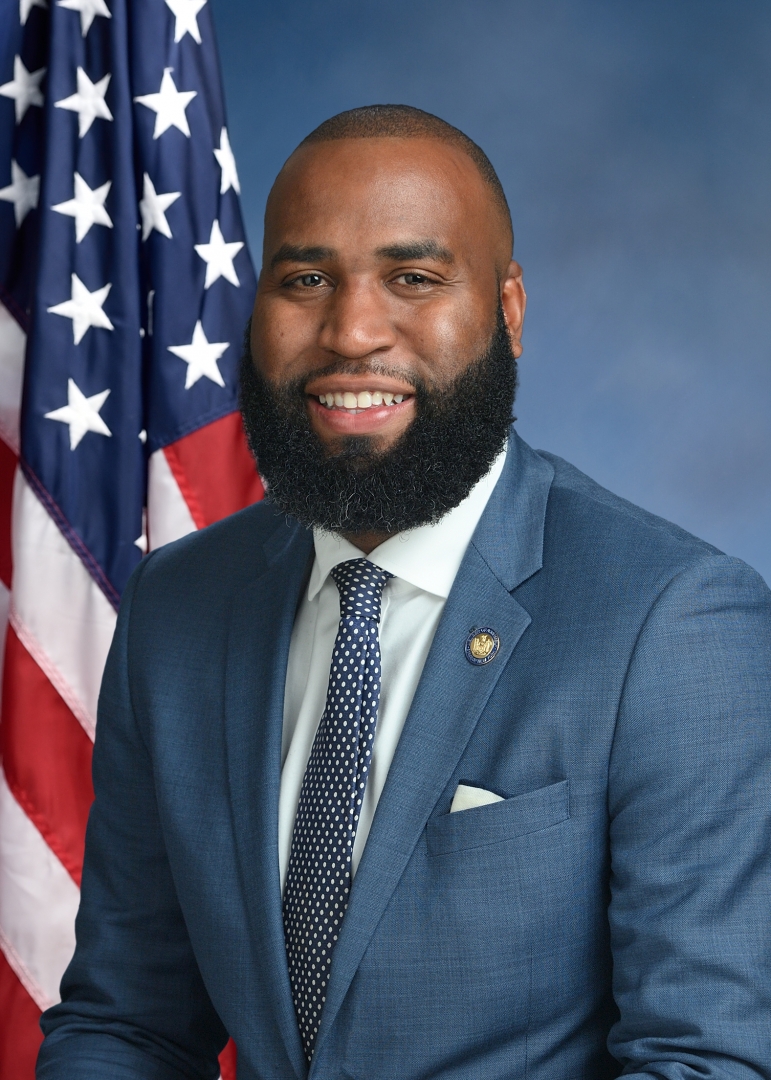
2025 Regular Session Introduced by Brian Cunningham and 7 co-sponsors

New York bill prohibits utilities from charging customers for environmental site contamination cleanup costs, shifting expenses from ratepayers to utility companies themselves.

REFERRED TO ENERGY
0
WeVote Research Nonpartisan
Bill Summary · A 10672

Legislative bill overview

Bill A 10672 prohibits New York public utilities from recovering the costs of environmental site investigation and remediation (cleanup) efforts through rate increases charged to customers. This means utilities would bear these expenses themselves rather than passing them to ratepayers through their bills.

Why is this important

Public utilities frequently discover contamination on their properties from historical operations or inherited sites. The ability to recover cleanup costs through rates directly affects consumer bills and determines whether utilities or customers ultimately fund environmental remediation. This policy choice influences both environmental accountability and utility finances.

Potential points of contention

  • Utility financial impact: Utilities argue that prohibiting cost recovery could reduce their ability to invest in infrastructure, potentially affecting service reliability or requiring higher base rates elsewhere
  • Cost distribution philosophy: Disagreement over whether polluters (utilities and their shareholders) or current ratepayers should bear remediation costs for legacy contamination
  • Competitive disadvantage: Regulated utilities might claim this creates unfair burden compared to unregulated energy companies without similar restrictions
  • Remediation incentives: Uncertainty whether denying cost recovery encourages faster cleanup or creates disincentive for voluntary investigation and transparent reporting

Compiled from official sources — confirm details with the bill’s official record.

Sign in to ask a question.