

WeVote

Bill

Bill

A 1800

Prohibits insurer from increasing auto insurance premiums upon renewal for persons 60 years of age or over solely on the ground of insureds' age

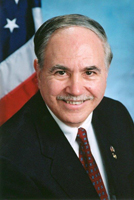
2025 Regular Session Introduced by William Colton and 2 co-sponsors

Prohibits auto insurers from raising renewal premiums solely because a driver is 60+, shielding seniors from age-based price hikes at renewal.

REFERRED TO INSURANCE
0
WeVote Research Nonpartisan
Bill Summary · A 1800

Legislative Summary: A 1800

Overview

A 1800 is a New York bill introduced on January 14, 2025 and referred to the Insurance Committee. The measure would prohibit auto insurance providers from increasing a policyholder’s auto insurance premium upon renewal solely because the insured is 60 years of age or older. The primary sponsor is William Colton, with cosponsors David McDonough and Brian D. Miller. The bill aligns with prior-session efforts to limit age-based premium increases for older drivers.

Purpose and intent

  • To prevent age-based discrimination in auto insurance pricing at renewal.
  • To ensure that renewal premium changes for drivers aged 60 and older are not driven solely by the insured’s age.
  • To promote fairness in pricing practices and reduce potential inequities faced by senior drivers.

Key provisions (as implied by the title)

  • Prohibits premium increases at renewal that are based solely on the insured’s age (60 years and older).
  • Applies specifically to auto insurance premiums at renewal.
  • The bill’s text does not specify whether other legitimate risk factors (e.g., driving history, claims, vehicle type, coverage chosen) may be considered in setting renewal premiums; the prohibition targets increases that are exclusively due to age. (Enforcement mechanisms and any exceptions are not detailed in the provided summary.)

Affected parties

  • Insured individuals aged 60 and older.
  • Auto insurers operating in the market.
  • Potentially, policyholders outside the age threshold could be indirectly affected if insurer rating practices shift in response to the prohibition.

Procedural and timeline aspects

  • Introduced: January 14, 2025.
  • Status: Referred to the Insurance Committee.
  • Legislative actions listed: the bill was referred to Insurance on January 14, 2025 (duplicative entry in the record provided).
  • Related bills from prior sessions suggest ongoing interest in limiting age-based premium changes; examples include A 4750, A 1531, A 992, A 1265, A 2807, A 3650, A 2878, A 4024, and A 2406.

Related bills

  • A 4750 (prior-session)
  • A 1531 (prior-session)
  • A 992 (prior-session)
  • A 1265 (prior-session)
  • A 2807 (prior-session)
  • A 3650 (prior-session)
  • A 2878 (prior-session)
  • A 4024 (prior-session)
  • A 2406 (prior-session)

Potential policy considerations

  • The measure could reduce age-based price discrimination for seniors but may raise questions about balancing risk-based pricing with non-age factors.
  • Implementation details (e.g., enforcement, penalties, and interaction with other rating factors) will shape practical impact.
  • Economic effects could include shifts in pricing strategies by insurers and potential effects on senior mobility and affordability of coverage.

This summary presents the essential elements of A 1800 based on the available bill information. For a complete understanding, reviewing the bill’s full text and any fiscal notes or committee reports when they become available is recommended.

Compiled from official sources — confirm details with the bill’s official record.

Sign in to ask a question.