

WeVote

Bill

Bill

A 10379

Prohibits artificial intelligence companions from using features which are considered unsafe for minors

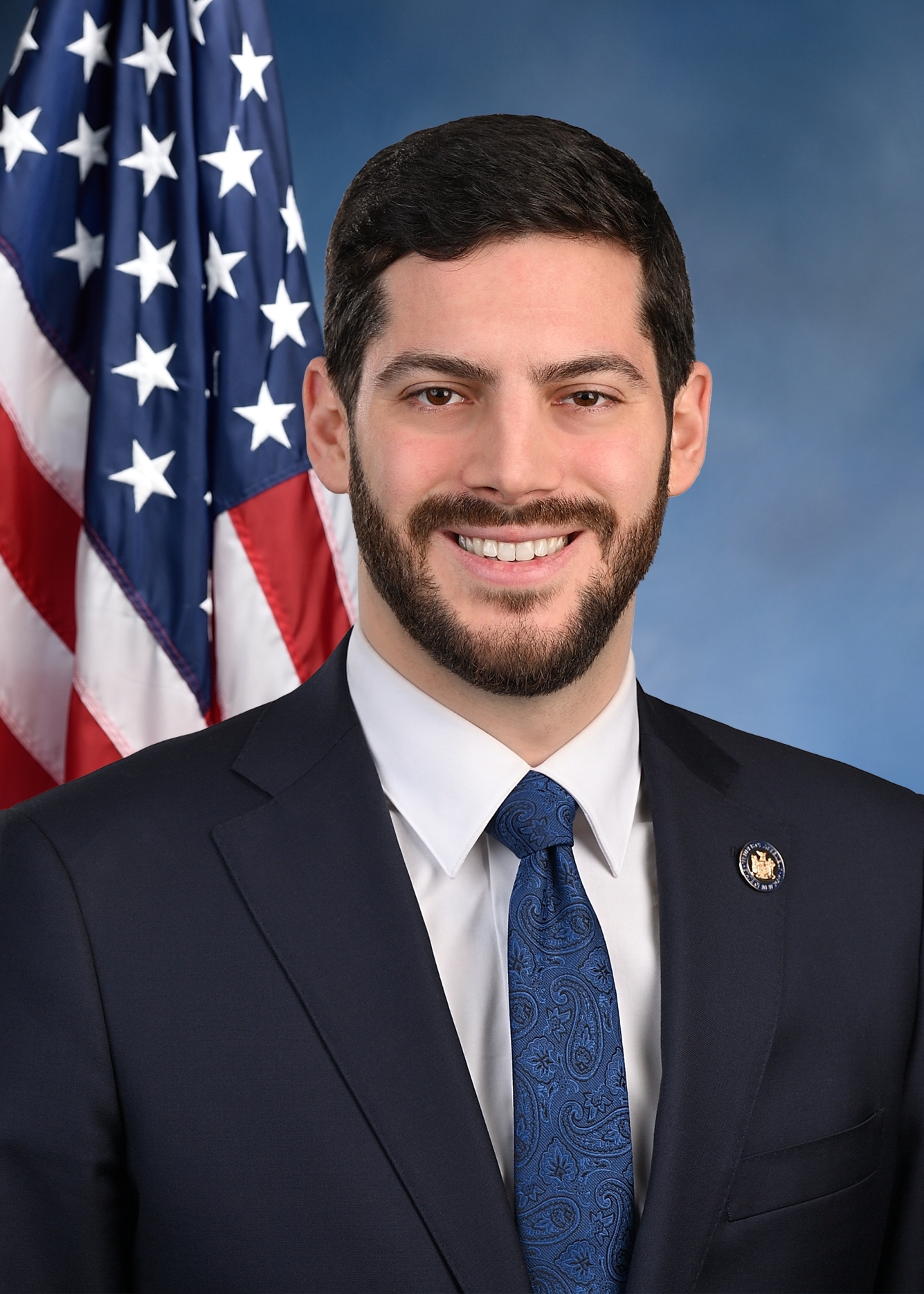
2025 Regular Session Introduced by Alex Bores and 24 co-sponsors

The bill bans advanced chatbots from features that simulate relationships, push harm, or override safety, when interacting with NY minors.

PRINT NUMBER 10379C
0
WeVote Research Nonpartisan
Bill Summary · A 10379

Summary of Bill A. 10379 (2025-2026, New York)

Purpose and intent

  • Proposes a New York General Business Law addition (Article 48) to prohibit the use of certain “unsafe chatbot features” by advanced AI chatbots when interacting with minors.
  • Aims to shield minors from chatbot designs that simulate relationships, push unsafe content, or manipulate engagement in ways deemed unsafe for under-18 users.

Key provisions and changes

  • Definitions (Article 48, §1800):

    • “Advanced chatbot” – generative AI with a natural language interface providing ongoing, adaptive responses.
    • “Chatbot developer” – entity that creates/develops an advanced chatbot.
    • “Chatbot operator” – entity that provides or offers the chatbot to users.
    • “Covered minor” – minor for whom the operator has actual knowledge of being a minor.
    • “Covered user” – user in New York who is not an operator/affiliate.
    • “Unsafe chatbot features” – specific design features prohibited when interacting with minors, including:
    • (a) Simulating companionship or interpersonal relationships (e.g., human-like persona, romantic/coach relationships, use of personal pronouns like “I”/“my”).
    • (b) Endorsement or facilitation of self-harm, suicide, disordered eating, unlawful drug/alcohol use.
    • (c) Encouraging secrecy, isolation, or avoiding professional help.
    • (d) Optimizing engagement in a way that overrides safety guardrails.
    • (e) Describing or facilitating sexually explicit conduct or child sexual abuse material.
  • “Minor” – under 18; “Responsible party” – individuals/entities controlling compliance.

  • Prohibition (§1801):

    • It is unlawful for a chatbot operator to provide unsafe features to a covered user who is a covered minor, unless:
    • The user is not a covered minor, and
    • The operator uses methods permissible under Article 45 and related regulations to determine minor status.
    • Exceptions for providing chatbots solely for:
    • Customer service or information about services/products, or account information; or
    • Internal purposes/productivity for system users of a partnership/corporation/state or local government agency.
  • Enforcement (§1802):

    • Civil actions by individuals harmed by violations; remedies include injunctive relief, restitution, disgorgement, actual and punitive damages, and attorney’s fees.
    • The Attorney General may bring actions to enjoin violations, seek penalties (up to $25,000 per violation), and other relief, including destruction of unlawfully obtained data and trained algorithms.
    • Affected parties may include affiliates; joint and several liability can be imposed on affiliated entities if certain conditions show deliberate structure to limit liability.
    • A state AG-staffed complaint mechanism (website) for reporting concerns.
    • Contracts attempting to waive enforcement of this article or shift liability are void as a matter of public policy.
  • Rulemaking (§1803):

    • AG authority to promulgate rules/regulations to implement and enforce the article.
  • Determination of covered minor (§1804):

    • Operators must offer at least one method for users to determine minor status that is not solely government ID and allow some anonymity.
    • Data collected for minor determination must be deleted after the check, unless needed for law/regulatory compliance.
    • The article does not supersede Article 47 (privacy/other rules).
  • Applicability (§1805):

    • Applies to conduct occurring in New York (wholly or partly). If accessed by a user physically outside NY, the conduct is outside NY unless the user is in NY and interacting with the chatbot.
  • Effective date:

    • Takes effect 180 days after enactment. Immediate authority for rulemaking actions needed for implementation.
  • Severability:

    • If any provision is invalid, the rest remains in effect.

Who is affected

  • Covered minors and covered users: Minors located in New York who use advanced chatbots.
  • Chatbot developers and operators: Entities that design, build, or provide advanced chatbots to NY users.
  • Affiliates and related entities: Potential joint and several liability in certain circumstances.
  • General public: Through enforcement actions, potential penalties, and a state-level complaint mechanism.

Procedural and timeline aspects

  • Bill introduced March 3, 2026; referred to Science and Technology, later amended/recommitted to refine provisions.
  • If enacted, rulemaking and enforcement provisions would be implemented by the Attorney General, with a 180-day lead time before the law takes effect.
  • Establishes an enforcement framework including civil remedies, AG enforcement powers, and a public complaint portal.

Notable policy implications

  • Emphasizes safeguarding minors by restricting chatbot design features that simulate personal relationships or encourage risky or harmful behavior.
  • Balances safety with certain legitimate uses (customer service, internal corporate/government use) by permitting specific exceptions.
  • Creates potential for civil penalties and data/algorithm destruction for violations, signaling strict regulatory oversight of AI chatbot design in NY.

Compiled from official sources — confirm details with the bill’s official record.

Sign in to ask a question.