

WeVote

Bill

Bill

SB 254

Prohibiting digital manipulation of sexually explicit content including minors

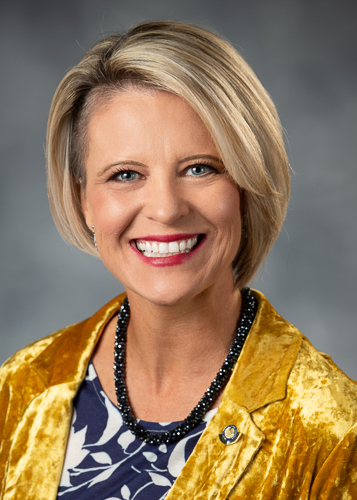
2025 Regular Session Introduced by Amy Grady

Nevada may adopt a voluntary model policy for universal and targeted school screenings of students’ well‑being using MTSS, with staff training and privacy protections.

To Judiciary
0
WeVote Research Nonpartisan
Bill Summary · SB 254

Summary — SB 254 (BDR 34‑592)

Title: Establishes requirements relating to suspected substance use by a pupil.
Introduced: Feb 3, 2025
Status: No further action taken (bill was amended through committee and reprinted; final versions made the model policy voluntary rather than mandatory)

Main purpose

To direct the Nevada Department of Education (NDE), working with child‑mental‑health and education experts, to develop and publish a model policy for school‑based screening of students’ behavioral, social and emotional well‑being — with the intent of identifying students at risk for mental health, behavioral health, or substance‑use problems and to provide guidance on implementation, training and evaluation.

Key provisions (final/reprinted version)

  • NDE must develop, implement and disseminate a model policy for universal and targeted screening of K–12 pupils’ behavioral, social and emotional well‑being.
  • The model policy must be based on a progressive, multi‑tiered system of support (MTSS) approach and include:
    • evidence‑based implementation processes for universal screening;
    • a list / options of scientifically validated and reliable screening tools;
    • resources and training supports for school staff (implementation, interpretation, follow‑up);
    • guidance for monitoring and evaluating screening use and effectiveness.
  • Adoption is permissive: local school boards (districts), governing bodies of charter and university schools, and private schools may choose to adopt and implement the model policy as suited to local needs and resources.
  • Confidentiality: the final text emphasizes privacy protections for screening data and any pupil‑level materials consistent with law.
  • Earlier, more prescriptive requirements in the bill (parent notification meetings, mandatory questionnaires, school reports, retention/destruction rules, and mandatory child‑abuse reporting tied to parental provision of substances) were removed or relaxed in later amendments/reprints.

Notable changes during amendment process

  • Original versions contained prescriptive procedures (required meetings with parents/guardians, mandatory questionnaires, required reports, timelines for report destruction, and mandatory reporting if a parent supplied substances).
  • Committee and floor amendments (including “Amendment 421”) removed the unfunded‑mandate elements and converted the policy to an optional model for districts/schools to adopt. Several operational reporting and timeline requirements were deleted in reprints.

Who would be affected

  • Nevada Department of Education: responsible for policy development and dissemination.
  • Local school districts, charter schools, university schools for the profoundly gifted, and private schools: may elect to adopt and implement the policy.
  • School administrators, counselors and other staff: potential new responsibilities if a district adopts the model (screening administration, training, interpretation, follow‑up procedures).
  • Pupils and families: could experience school‑based screening, supports, or referrals where a local entity adopts the model.

Procedural / timeline notes

  • Introduced in early 2025; referred to the Senate Committee on Education and subsequently amended and reprinted.
  • Multiple committee actions and floor amendments narrowed scope and removed mandated local requirements.
  • The bill status provided indicates no further action taken after the amendment/reprint sequence.

Potential impacts

  • Implementation (if a local body adopts the model) may require staff training, purchase or licensing of validated screening tools, data systems, and referral partnerships — costs likely borne at the district/school level.
  • Because adoption is optional in the final text, fiscal impact is primarily local and dependent on discretionary implementation choices.
  • The policy framework aims to standardize best practices for early identification and connection to services, while the final bill seeks to avoid imposing unfunded state mandates on local education agencies.

If you want, I can:
- Extract and compare the original vs. final bill text line‑by‑line;
- Draft a one‑page memo for a school district outlining choices, likely costs, and steps to adopt the model policy; or
- Identify validated screening instruments typically used in MTSS frameworks.

Compiled from official sources — confirm details with the bill’s official record.

Sign in to ask a question.