Summary: Professional AI Oversight Act (SB 3601, 104th Illinois General Assembly)
Proposed law overview
- Bill title: Professional AI Oversight Act
- Introduced: February 5, 2026
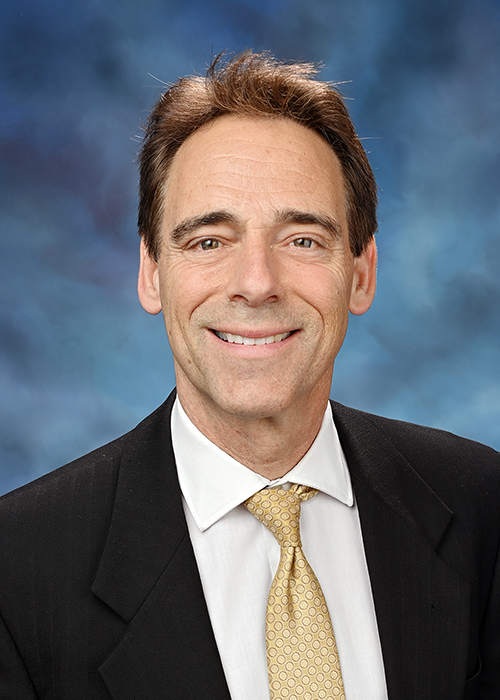
- Sponsor: Sen. Steve Stadelman (co-sponsor listed)
- Jurisdiction: State of Illinois
- Effective date: January 1, 2027
- Primary objective: Require clear disclosure when artificial intelligence (AI) is used in interactions with individuals who are paying for services from licensed professionals, and establish enforcement and penalties under the Department of Financial and Professional Regulation (DFPR) and associated consumer protection provisions.
Key definitions
- Artificial intelligence: As defined in the Illinois Human Rights Act (Section 2-101).
- Department: Illinois DFPR (Department of Financial and Professional Regulation).
- Licensee: Any person licensed in a regulated occupation by the DFPR.
- Regulated occupation: Occupations regulated by the DFPR requiring a license or state certification to practice (with exclusions for certain licensed professionals and occupations exempted under related acts).
- State certification: Official authorization allowing the use of the term “State-certified” for a designated occupation, under specified conditions.
What the bill would require (main provisions)
1. AI disclosure requirement for licensees
- Licensees must prominently disclose when a service payer is interacting with AI.
- Disclosure format:
- Verbal disclosure at the start of an oral exchange or conversation.
- Written disclosure prior to a written exchange.
- The disclosure must also state the specific purpose of the AI in the interaction.
Rulemaking and enforcement
- The DFPR would have rulemaking authority to administer and enforce the Act.
- Civil penalties for violations: up to $2,500 per violation, determined by the Department based on harm and circumstances.
- Penalty payment: Due within 60 days after the Department issues an order imposing the penalty.
- Enforcement: The Department may investigate actual, alleged, or suspected violations.
- The DFPR’s order imposing penalties constitutes a judgment, enforceable like a court judgment.
Consumer Fraud and Deceptive Business Practices Act (CFDBP) amendments
- Adds a new provision (Section 2MMMM) making it unlawful to use or prompt AI in trade and commerce without clearly and conspicuously disclosing to the person that AI is involved and that the person is interacting with AI, upon request or prompting by the person.
Timeline and procedural notes
- Effective date of the Act: January 1, 2027.
- Enforcement and penalties would apply following adoption and regulatory rules.
- The bill includes standard severability language.
- Rulemaking: The DFPR would adopt rules to administer and enforce the Act.
Potential impact
- Aims to increase transparency in AI-enabled professional services by requiring upfront disclosure to customers.
- Applies to licensed professionals and entities operating in regulated occupations under DFPR oversight.
- Establishes a state-level enforcement framework with penalties to deter non-disclosure.
- Expands CFDBP protections to explicitly cover AI-disclosure requirements in commercial interactions.
- Possible effects on service delivery models that rely on AI tools, requiring clear communication to clients about AI involvement.
Who would be affected
- Licensees and entities operating in regulated occupations under the DFPR (e.g., professionals who provide services for a fee and rely on AI in some capacity).
- Consumers and clients engaging with such licensed professionals or entities in trade and commerce.
Notes for readers
- The bill emphasizes transparency: customers must know when AI is used and the purpose of that AI in the interaction.
- Enforcement mechanisms include a statutory civil penalty framework and the ability for DFPR to investigate violations.
- The proposal does not bar AI use; rather, it conditions AI use on clear disclosure and informed consent in the context of paid services.