

WeVote

Bill

Bill

SB 3182

PROCUREMENT-ADMINISTRATION

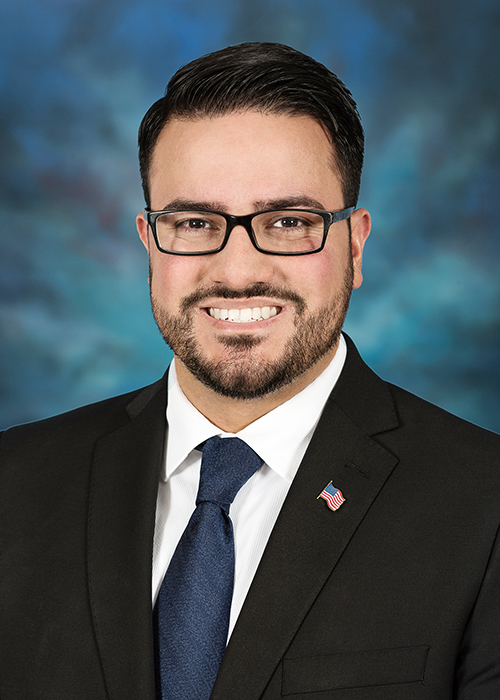
104th Regular Session Introduced by Omar Aquino

The bill standardizes and tightens Illinois state procurement procedures to boost transparency, fairness, and value in contracting with vendors.

Senate Committee Amendment No. 1 Rule 3-9(a) / Re-referred to Assignments
0
WeVote Research Nonpartisan
Bill Summary · SB 3182

Summary of SB 3182 (104th Illinois General Assembly) – Procurement Administration

Purpose and intent

  • SB 3182 pertains to the procurement process and administration within Illinois, aiming to govern how the state acquires goods and services.
  • The bill is sponsored by a primary sponsor with a co-sponsor noted (Omar Aquino), indicating legislative intent to modify or enhance procurement practices, oversight, or administration.

Key provisions and changes

Note: The following outlines reflect typical scope for a procurement administration bill in Illinois. For precise language, consult the bill text. The summary below highlights the core areas such bills commonly address:

  • Procurement procedures and standards
    • Establishes or revises formal procedures for state procurement activities.
    • May specify competitive bidding requirements, bid submission timelines, evaluation criteria, and contract award processes.
  • Transparency and oversight
    • Introduces or strengthens reporting requirements to increase transparency in procurement decisions.
    • Could require posting of award notices, contract terms, or vendor performance data.
  • Vendor eligibility and participation
    • Defines eligibility criteria for vendors, including registration, certifications, or compliance with state standards.
    • May address preferences or inclusion goals (e.g., for minority-owned, women-owned, or veteran-owned businesses) or set-asides for certain procurements.
  • Contract administration
    • Sets guidelines for contract performance, monitoring, amendments, and renewals.
    • Specifies rights and remedies for the state and contractors, including dispute resolution mechanisms.
  • Cost and efficiency provisions
    • Introduces measures to achieve better value, such as lifecycle cost analysis, vendor performance metrics, or standardized contract terms.
  • Antitrust and integrity protections
    • Includes provisions to prevent collusion, bid rigging, or other procurement fraud.

Who would be affected

  • State agencies and departments engaged in purchasing goods and services.
  • Contractors and vendors bidding for state work, including potential eligibility criteria and certification requirements.
  • Procurement officers and administrators responsible for implementing and enforcing procurement rules.
  • Oversight bodies or audit agencies tasked with monitoring procurement activities and compliance.

Procedural and timeline aspects

  • The bill would typically specify effective dates for new requirements (e.g., phased implementation, immediate effect, or delayed effective date).
  • May include transitional provisions to align existing contracts with new rules.
  • Could require periodic reporting (e.g., annual procurement reports) and ongoing evaluation of procurement performance.

Potential impacts and considerations

  • Aims to improve fairness, competition, and value in state procurements.
  • Could enhance accountability through increased transparency.
  • Vendors may need to adjust to new qualification, reporting, or contract administration requirements.
  • Agencies may face initial compliance efforts and potential process changes during implementation.

For precise coverage, sections, and exact fiscal or legal implications, refer to the full text of SB 3182 and any accompanying fiscal notes or committee analyses.

Compiled from official sources — confirm details with the bill’s official record.

Sign in to ask a question.