HR 1785 — Preventing Medicare Telefraud Act
Overview
- Introduced: March 3, 2025
- Status: Introduced in the House of Representatives
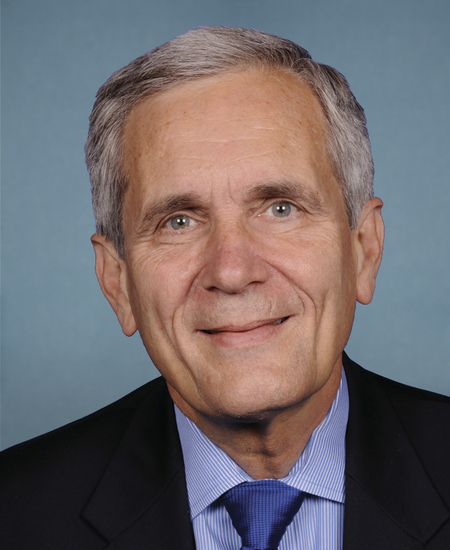
- Sponsor: Rep. Lloyd Doggett (primary)
- References: Referred to the Committee on Energy and Commerce, and in addition to the Committee on Ways and Means, for consideration of provisions falling within each committee’s jurisdiction.
Purpose and intent
- The bill’s title indicates the objective is to prevent Medicare-related fraud arising from telehealth and other telecommunication-enabled services. The provided information does not include the bill’s full text, so the specific definitions, targets, and enforcement mechanisms are not enumerated here.
Provisions (as introduced)
- Text not provided in the available information. Consequently, the exact legislative changes, definitions (e.g., what constitutes “telefraud”), enforcement tools, penalties, funding, reporting requirements, or interactions with CMS programs are not specified in this summary.
- When the full text becomes available, it will be possible to itemize:
- Definitions and scope of telefraud within Medicare
- Required safeguards for telehealth claims and billing
- Compliance, enforcement, and penalties
- Roles and funding for federal and/or state enforcement efforts
- Reporting and oversight provisions
- Effective dates and any phase-in periods
Affected parties and potential impact
- Likely affected:
- Medicare program integrity and enforcement authorities (e.g., CMS and related offices)
- Providers and suppliers submitting telehealth or telefraud-related claims to Medicare
- Medicare beneficiaries who receive telehealth services
- Entities involved in Medicare fraud investigations and prosecutions
- Potential impacts (subject to final text):
- Strengthened verification and auditing of telehealth claims
- New or enhanced penalties for telefraud
- Additional reporting or compliance requirements for providers
- Increased coordination among congressional committees, CMS, and law enforcement
Procedural and timeline notes
- Committee referrals: Energy and Commerce; Ways and Means
- Referral language indicates the bill will be reviewed for provisions within each committee’s jurisdiction, with a period to be determined by the Speaker
- Next steps: Monitor for the full bill text, summary, and any committee hearings or votes. If enacted, the bill would become law following the standard legislative process (passage by both chambers and presidential signature) or be amended prior to passage.
Sponsor information
- Primary sponsor: Rep. Lloyd Doggett
For readers seeking a detailed understanding, the next update should include the full bill text, which will clarify the exact provisions, definitions, enforcement mechanisms, funding, and timelines.