

WeVote

Bill

Bill

HB 3650

Poor persons; minimum rates of reimbursement; deadlines; effective date.

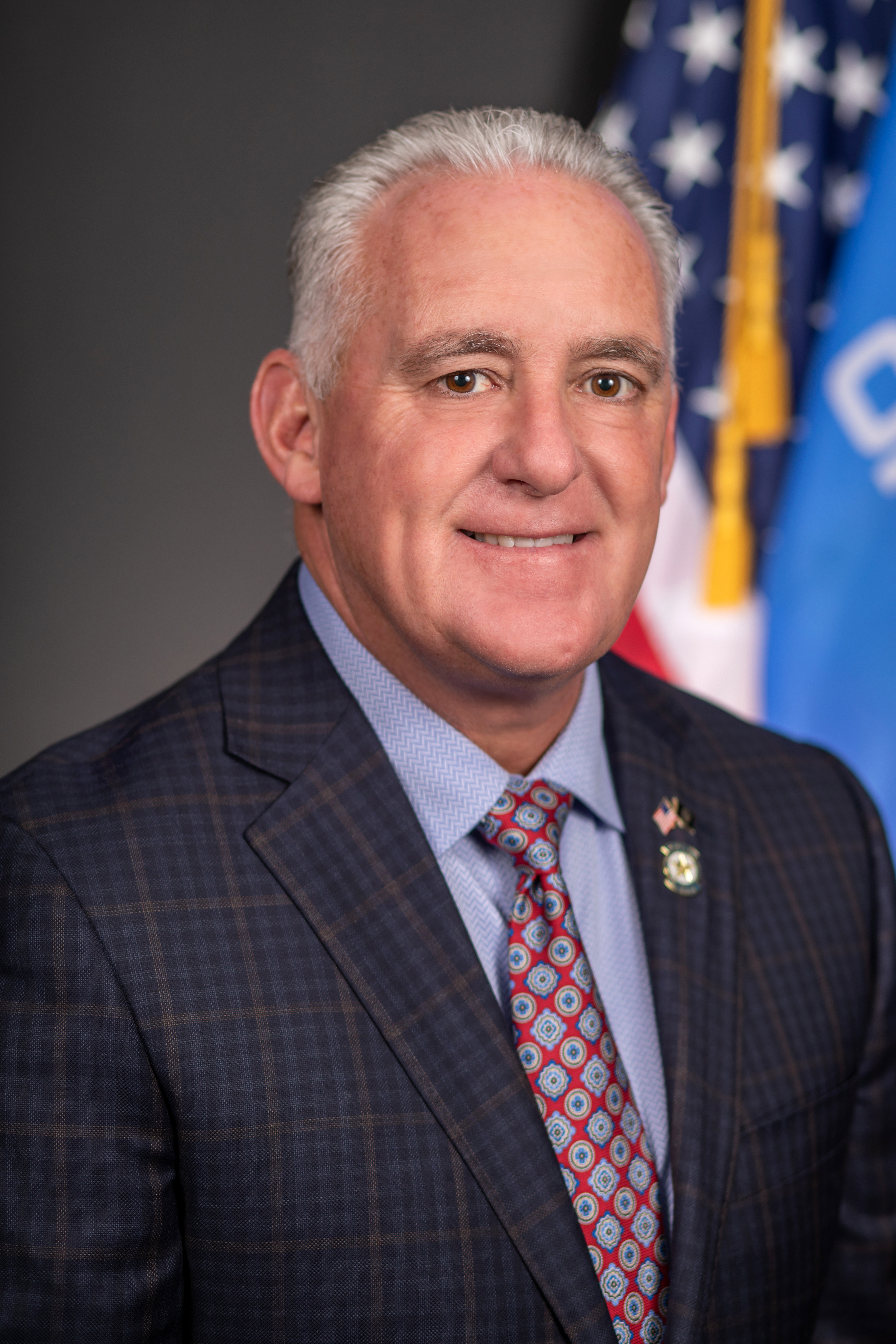
2026 Regular Session Introduced by Paul Rosino and 1 co-sponsor

Oklahoma bill establishes minimum reimbursement rates for healthcare services to low-income patients and sets implementation deadlines to ensure provider participation in safety-net programs.

Second Reading referred to Health and Human Services
0
WeVote Research Nonpartisan
Bill Summary · HB 3650

Legislative bill overview

HB 3650 establishes minimum reimbursement rates for healthcare services provided to low-income individuals in Oklahoma and sets implementation deadlines for these payment standards. The bill aims to ensure baseline compensation levels for providers serving poor populations while specifying effective dates for the policy changes.

Why is this important

Healthcare provider reimbursement rates directly affect whether doctors, hospitals, and clinics can afford to serve low-income patients. Inadequate rates often push providers away from Medicaid and safety-net programs, reducing access to care for vulnerable populations. Clear minimum rates and implementation timelines provide both providers and policymakers with certainty for budgeting and service planning.

Potential points of contention

  • Cost to state budget: Establishing minimum rates may significantly increase Medicaid or other healthcare program expenditures, creating pressure on already-strained state budgets
  • Provider adequacy debate: Disagreement over whether proposed minimum rates are sufficient to attract and retain quality providers versus being unnecessarily generous with taxpayer funds
  • Implementation timeline: Questions about whether deadlines are realistic for healthcare systems to adjust billing and operational practices, or conversely, whether extended timelines unnecessarily delay care improvements

Compiled from official sources — confirm details with the bill’s official record.

Sign in to ask a question.