

WeVote

Bill

Bill

HR 8342

Poll Worker Tax Cut Act

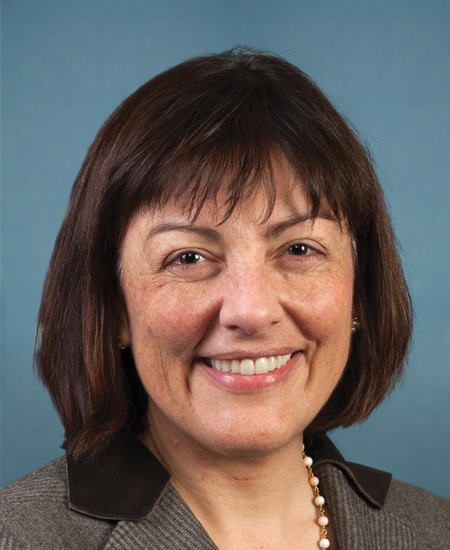
119th Congress Introduced by Suzan DelBene and 7 co-sponsors

The bill would provide a specific federal tax relief to poll workers to reduce their tax liability for compensation received while serving at polling places.

Introduced in House
0
WeVote Research Nonpartisan
Bill Summary · HR 8342

Summary of HR 8342 (119th Congress) – Poll Worker Tax Cut Act

Purpose and intent

  • The Poll Worker Tax Cut Act proposes targeted tax relief to support election administration by reducing tax burdens on individuals who serve as poll workers. The bill aims to encourage participation in elections and help ensure polling places are staffed adequately, particularly during federal, state, or local election cycles.

Key provisions and changes

  • Tax relief mechanism: The bill would authorize a specific tax benefit for poll workers. While the exact design details (e.g., refundable credits, above-the-line deduction, or exclusion) are not provided in the summary, the central concept is to reduce federal tax liability for individuals who perform poll worker duties.
  • Eligibility: The measure applies to individuals serving as poll workers. It may specify criteria such as duration of service, time spent at polling locations, or certification/appointment status, though these details are not enumerated in the brief.
  • Scope of relief: The relief is tied to compensation or compensation-like engagement as a poll worker, rather than broader election workers or volunteers without compensation. The intended beneficiaries are those who actively staff polling places.

Who would be affected

  • Primary beneficiaries: Individuals who serve as poll workers and incur taxable income as a result of their service (i.e., those who would face federal income tax on compensation for polling duties).
  • Potential secondary effects: Employers or precincts that rely on poll workers, election offices, and state/local election authorities, which may experience changes in recruitment incentives and staffing dynamics due to the tax incentive.

Procedural and timeline considerations

  • Legislative status: Introduced in the House and referred to the House Committee on Ways and Means (April 16, 2026). This committee handling suggests initial stages of markup and potential amendments before any floor action.
  • Next steps: If advanced, the bill would proceed through committee consideration, potential amendments, and then consideration by the full House. If passed, it would move to the Senate and face similar July/August 2026–era congressional calendar considerations, subject to partisan and procedural dynamics.
  • Fiscal notes and impact: A key factor in the bill’s trajectory will be its estimated cost to the federal budget (foreign or domestic), as Ways and Means typically reviews revenue and distribution effects. The summary does not provide specific dollar figures or estimated revenue impact.

Additional context

  • Sponsorship: The bill has multiple co-sponsors, indicating broad bipartisan interest among House members. Notable sponsors include Nikema Williams, Norma Torres, Joe Morelle, Suzan DelBene, George Latimer, Kevin Mullin, Julie Johnson, and Terri Sewell.
  • Policy alignment: This measure fits within a broader policy interest in safeguarding and simplifying election administration, reducing friction for those who assist at polling places, and potentially improving voter access by ensuring sufficient on-site staffing.

If you’d like, I can incorporate any available fiscal notes, draft language excerpts, or comparisons to similar existing programs to provide a more detailed impact analysis.

Compiled from official sources — confirm details with the bill’s official record.

Sign in to ask a question.