

WeVote

Bill

Bill

S 4416

PHS ACCESS Act

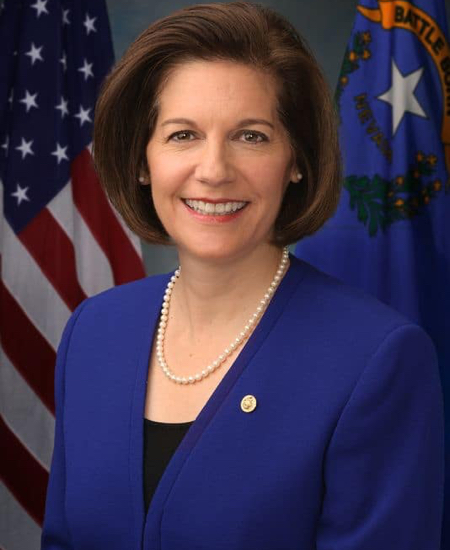
119th Congress Introduced by Catherine Cortez Masto and 2 co-sponsors

The bill would authorize detailing Public Health Service officers to underserved communities and Urban Indian organizations, with a new, merit-based system awarding service credit

Introduced in Senate
0
WeVote Research Nonpartisan
Bill Summary · S 4416

Overview

The Public Health Services for Advancing Care and Creating Efficient Support Systems in Underserved Communities Act (PHS ACCESS Act) would establish procedures for detailing Public Health Service (PHS) Commissioned Corps officers to support care delivery in underserved areas. Introduced in the 119th Congress on April 28, 2026, the bill aims to expand geographic and population reach of PHS officers by authorizing new detailing opportunities, creating criteria for credit toward length of service, and prioritizing assignments that address workforce shortages and access challenges.

Purpose and intent

  • Improve access to public health and healthcare services in underserved communities by detailing PHS officers to work with Urban Indian organizations and other designated underserved settings.
  • Create a structured framework to determine when and where officers may be detailed, and how such service can be credited toward career length and potential benefits.
  • Align detailing decisions with workforce needs, including rural/remote service, shortages in specific specialties, and partnerships with Indian health entities.

Key provisions and changes

Section 2: Detailing of personnel (amendments to the Public Health Service Act)

  • Redesignation of subsections in Section 214 of the Public Health Service Act to accommodate new detailing authority.
  • New authority for detailing:
    • The Secretary may detail Commissioned Corps officers to Urban Indian organizations to assist or perform DHHS-related functions.
  • Detailing scope clarified to support cooperation in or conduct of work related to DHHS functions.

Appointment and credit for length of service

  • The Secretary may, at the Secretary’s discretion, appoint personnel after considering specified criteria (rather than an automatic requirement).
  • Introduction of an objective, transparent framework for awarding constructive credit for length of service (under a new paragraph 5 and related restructured subsections):
    • Preference criteria for appointees:
    • Serve in rural or remote agencies where the Service is statutorily required to provide services.
    • Be specialists in areas with demonstrated workforce shortages.
    • Serve in areas with significant access-to-care challenges.
    • Serve with an Indian tribe, tribal organization, or Urban Indian organization (definitions aligned with the Indian Health Care Improvement Act).
    • Consideration of established federal designation systems and workforce assessments.
    • The Secretary must periodically review and update these criteria to reflect current workforce needs.

Who would be affected

  • Public Health Service Commissioned Corps officers (potentially broadening the pool of officers eligible for detailed assignments).
  • Urban Indian organizations and other underserved communities that might receive PHS officer support.
  • Federal workforce planning processes, particularly around credentialing, service credit, and career-length considerations for officers.
  • DHHS and its agencies involved in public health, especially in relation to care access in underserved areas.

Procedural and timeline aspects

  • The bill was introduced and referred to the Senate Committee on Health, Education, Labor, and Pensions on April 28, 2026.
  • It sets out a framework for detailing authorities and criteria that the Secretary would develop and periodically update, indicating ongoing administrative rulemaking and potential future implementation steps.
  • There are no explicit funding authorizations or detailed implementation timelines within the text provided; instead, the bill focuses on establishing authorities, criteria, and update mechanisms.

Potential impact and considerations

  • Positive impact potential:
    • Enhanced ability to deploy trained Public Health Service personnel to high-need areas and organizations serving Indigenous communities.
    • More predictable and merit-based detailing and service-credit systems could improve recruitment, retention, and mobility of officers serving in underserved contexts.
  • Considerations and questions:
    • How details interact with existing long-term placement programs and funding.
    • The practical application of “constructive credit for length of service” and how it affects officer career progression, promotions, and retirement benefits.
    • The effectiveness of performance criteria in addressing real-world workforce shortages and access-to-care challenges.
    • Oversight, accountability, and measurement of outcomes in urban Indian and other underserved settings.

If you’d like, I can tailor this summary to a particular audience (e.g., policymakers, public health professionals, or advocacy groups) or add a side-by-side comparison with current law to highlight changes.

Compiled from official sources — confirm details with the bill’s official record.

Sign in to ask a question.