

WeVote

Bill

Bill

HB 4793

PHARMACIST DISPENSING ABILITY

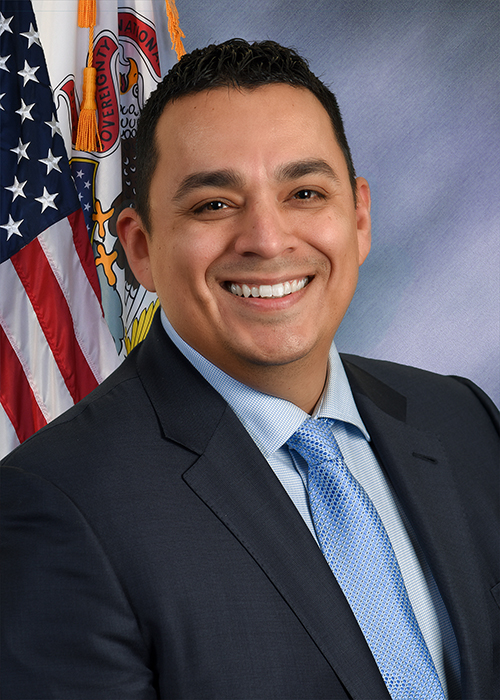
104th Regular Session Introduced by Li Arellano and 9 co-sponsors

Allows pharmacists to add non-drug aids and complete missing prescription info with evidence, and prohibits below-fair-value drug dispersion affecting payor networks.

Sent to the Governor
0
WeVote Research Nonpartisan
Bill Summary · HB 4793

Summary of HB4793 (104th Illinois General Assembly)

Overview

  • Bill: HB4793
  • Session: 104th
  • Jurisdiction: Illinois
  • Primary sponsor: Rep. Rick Ryan (with multiple co-sponsors)
  • Topic: Pharmacy Practice Act amendments related to pharmacist dispensing authority and drug pricing provisions
  • Status: As introduced (text provided) with subsequent actions showing movement in 2026; the “Section 24” provision Schedule to be repealed January 1, 2028, indicating sunset unless renewed.

Objective and Intent

HB4793 seeks to:
1. Expand the professional discretion of pharmacists to improve clinical outcomes by allowing certain non-pharmaceutical aids to be added to prescriptions and by permitting completion of missing prescription information when supported by evidence.
2. Address drug pricing practices by prohibiting the distribution of prescription drugs below fair market value and restricting payors from counting such discounted dispensing reimbursements toward network adequacy or willing provider compliance.

Key Provisions

1) Missing information, non-pharmaceutical devices, and durable medical equipment (Section 20.5)

  • A pharmacist acting within professional judgment may:
    • Add missing non-pharmaceutical devices or durable medical equipment that aid in proper clinical use of a medication or improve therapeutic outcomes.
    • Complete missing information on a prescription if there is evidence to support the change.
  • Any adaptations must be documented in the patient’s medical record.

2) Price/dispensing fairness provisions (Section 24)

  • The bill, scheduled to repeal on January 1, 2028, would make it unlawful for:
    • A manufacturer, distributor, or their agent to distribute a prescription drug directly or indirectly for free or below its fair market value.
    • A payor (payor entity such as an insurer or third-party administrator) to require a pharmacist or pharmacy to dispense a prescription at less than fair market value, including the cost of dispensing.
  • Consequences for payors:
    • If a payor reimburses below fair market value (including dispensing costs), the pharmacy cannot be counted toward network adequacy requirements.
    • Such payors would not be deemed in compliance with any “willing provider” provisions.
  • Exemptions and permissible distributions (non-exhaustive list):
    • Discounts allowed under federal/state law.
    • Distributions for FDA-regulated investigations.
    • Pharmacist-distributed quantities to a patient upon a physician-signed quantity designation.
    • Distributions to licensed medical practitioners upon signed practitioner designation.
    • Distributions to federal/state agencies for regulatory/enforcement purposes.
    • Distributions in emergencies as determined by federal or state law.
    • Distributions to bona fide charities authorized to possess and dispense prescription drugs.

Affected Parties

  • Pharmacists and pharmacies:
    • Potentially broader authority to modify prescriptions with documented evidence and to add non-pharmaceutical aids.
    • New documentation requirements in patient records for any prescription adaptations.
  • Patients:
    • May benefit from expanded pharmacist discretion to optimize therapeutic outcomes.
  • Drug manufacturers and distributors:
    • Subject to restrictions on distributing drugs below fair market value or for free.
  • Payors (insurers and other reimbursement entities):
    • Restrictions could affect reimbursement practices and network adequacy assessments.
  • Regulatory framework:
    • Provisions modify (and in Part are scheduled to sunset) the Pharmacy Practice Act and related sections.

Procedures and Timelines

  • Effective sections:
    • Section 20.5 establishing pharmacist authority and documentation rules.
    • Section 24 establishing pricing/distribution prohibitions and penalties/intended network impacts, with a sunset provision.
  • Sunset/repeal:
    • Section 24 is scheduled to be repealed January 1, 2028, unless extended or reenacted.
  • Legislative progress:
    • The bill has moved through committee (Health Care Licenses) with amendments and several sponsor actions in early 2026, including passage in committee and readings in both chambers, reflecting active consideration.

Practical Implications

  • For clinicians and patients:
    • Potential for more timely adjustments to prescriptions and the use of non-pharmaceutical aids to support treatment outcomes, with improved documentation.
  • For pharmacies:
    • Enhanced decision-making latitude, paired with record-keeping obligations.
  • For the pharmaceutical market:
    • Increased focus on fair value pricing and dispensing costs in reimbursement, potentially affecting payer networks and access standards.

Considerations

  • The sunset clause on the pricing provisions raises questions about long-term enforcement and whether the provisions will be renewed.
  • The bill emphasizes documentation and evidence to support changes, ensuring traceability in patient records.
  • The balance between expanded pharmacist discretion and patient safety/oversight will likely be a point of discussion in hearings and potential amendments.

Compiled from official sources — confirm details with the bill’s official record.

Sign in to ask a question.