

WeVote

Bill

Bill

HF 4088

Persons convicted of a crime of violence made ineligible for MFIP, medical assistance and food support, and MinnesotaCare.

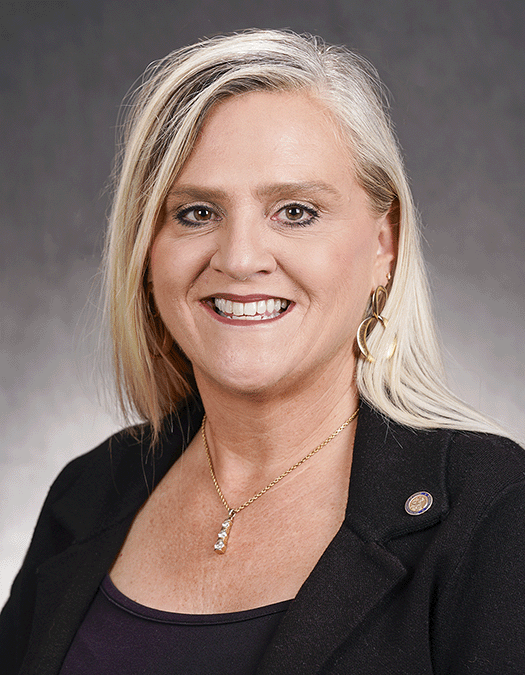
2025-2026 Regular Session Introduced by Pam Altendorf and 10 co-sponsors

Bill permanently bars individuals convicted of violent crimes from receiving MFIP, Medicaid, food assistance, and MinnesotaCare coverage in Minnesota.

Introduction and first reading, referred to Human Services Finance and Policy
0
WeVote Research Nonpartisan
Bill Summary · HF 4088

Legislative bill overview

HF 4088 would permanently disqualify individuals convicted of crimes of violence from receiving Minnesota Family Investment Program (MFIP) benefits, medical assistance, food support, and MinnesotaCare coverage. This represents a categorical exclusion from four major state assistance programs based solely on a prior violent crime conviction, regardless of time served, rehabilitation, or current circumstances.

Why is this important

This bill directly affects access to basic survival needs—food, healthcare, and financial assistance—for a specific population. The policy implications are significant: it could increase recidivism by limiting reintegration support, create public health concerns by restricting healthcare access, and raise questions about whether permanent lifetime bans align with rehabilitation goals or constitutional protections against cruel punishment.

Potential points of contention

  • Permanent vs. conditional exclusions: Critics may argue lifetime bans are disproportionate and prevent successful reentry, while supporters contend violent offenders should face lasting consequences for public safety
  • Definition of "crime of violence": The bill's scope depends heavily on how this term is legally defined—it could range from narrow to quite broad, affecting vastly different populations
  • Healthcare and humanitarian concerns: Denying medical assistance raises ethical and practical questions about disease control, emergency care, and whether punishment should extend to basic healthcare access
  • Cost-benefit analysis: Unclear whether savings from reduced benefits outweigh potential costs from increased incarceration, emergency room usage, or homelessness

Compiled from official sources — confirm details with the bill’s official record.

Sign in to ask a question.