

WeVote

Bill

Bill

HR 810

Personalized Care Act of 2025

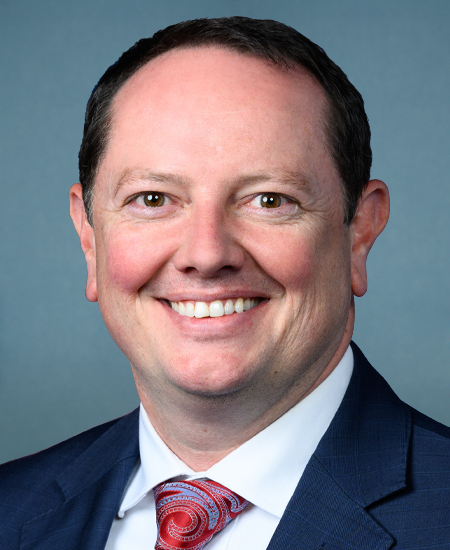
119th Congress Introduced by Eric Burlison and 11 co-sponsors

The Personalized Care Act of 2025 boosts health savings accounts, allowing higher contributions and broader eligibility, enhancing financial flexibility for healthcare costs.

Introduced in House
0
WeVote Research Nonpartisan
Bill Summary · HR 810

Summary of HR 810 - Personalized Care Act of 2025

Overview

The Personalized Care Act of 2025 (HR 810) aims to amend the Internal Revenue Code of 1986 to expand and improve health savings accounts (HSAs). Introduced in the House of Representatives on January 28, 2025, the bill seeks to enhance the flexibility and utility of HSAs for individuals and families, thereby promoting personalized healthcare options.

Key Provisions

1. Expanded Eligibility for HSAs

  • The bill broadens the definition of "eligible individual" for HSAs to include:
    • Individuals covered under various health plans, including group or individual health plans, government programs (e.g., Medicare, Medicaid, CHIP), and short-term limited duration plans.
    • Participants in health care sharing ministries.

2. Increased HSA Contribution Limits

  • The contribution limits for HSAs would significantly increase:
    • From $2,250 to $10,800 for individual coverage.
    • From $4,500 to $29,500 for family coverage.
  • These changes aim to allow individuals to save more for healthcare expenses.

3. Payment of Health Insurance Premiums from HSAs

  • The bill permits individuals to use HSA funds to pay for health insurance premiums, expanding the types of expenses that can be covered.

4. Inclusion of Medical Care Service Arrangements

  • The definition of "qualified medical expenses" will include:
    • Periodic fees paid to physicians for a defined set of medical services.
    • Prepaid amounts for medical services aimed at screening or diagnosing health conditions.

5. Cost-of-Living Adjustments

  • The bill includes provisions for future adjustments to HSA contribution limits based on cost-of-living increases.

Impact

The Personalized Care Act of 2025 is expected to have a significant impact on:
- Individuals and Families: By allowing higher contributions and broader eligibility, families may have more financial flexibility in managing healthcare costs.
- Healthcare Providers: Increased use of HSAs may lead to more direct payments for services, potentially changing the financial dynamics between patients and providers.
- Insurance Markets: The ability to pay premiums from HSAs may influence the types of health insurance products available in the market.

Procedural Aspects

  • The bill was referred to the House Committee on Ways and Means on the same day it was introduced.
  • The amendments proposed in the bill would take effect for taxable years beginning after December 31, 2024.

Related Legislation

  • The bill has a companion in the Senate, S 276, which addresses similar issues regarding health savings accounts.

This summary provides an overview of the Personalized Care Act of 2025, highlighting its intent to enhance health savings accounts and the potential implications for healthcare financing in the United States.

Compiled from official sources — confirm details with the bill’s official record.

Sign in to ask a question.