

WeVote

Bill

Bill

A 2665

Permits specialist assistants to prescribe controlled substances as a practitioner

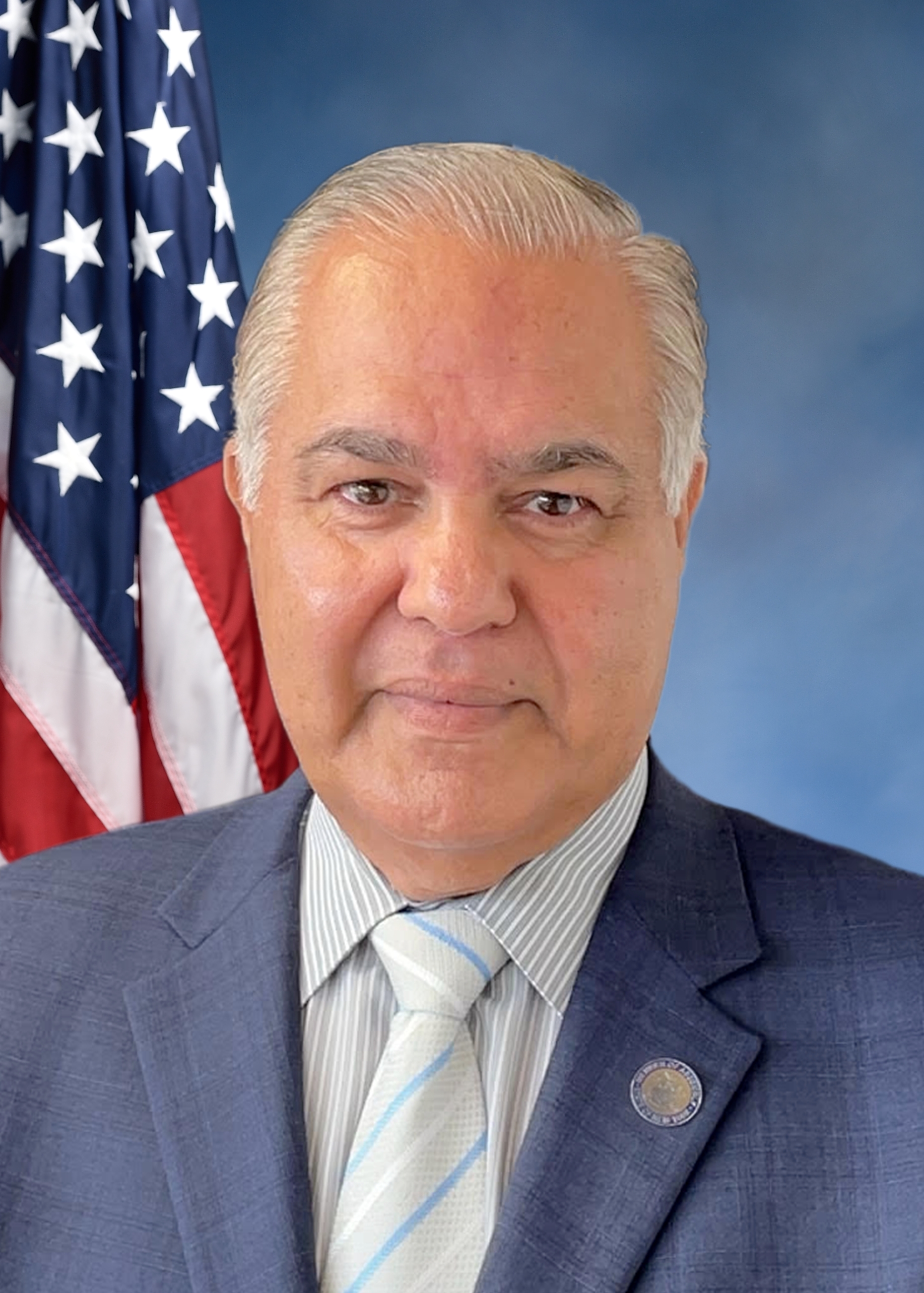
2025 Regular Session Introduced by Nader Sayegh

Allows specialist assistants to prescribe controlled substances when acting as practitioners, expanding access under a new regulatory framework.

REFERRED TO HIGHER EDUCATION
0
WeVote Research Nonpartisan
Bill Summary · A 2665

Summary of Assembly Bill A 2665

Overview

  • Bill Number: A 2665
  • Title: Permits specialist assistants to prescribe controlled substances as a practitioner
  • Introduced: January 21, 2025
  • Status: Refer­red to Higher Education (as of the introduction date)
  • Primary Sponsor: Nader Sayegh
  • Related Bill: A 3153 (prior-session)

What the bill would do

  • The bill would authorize “specialist assistants” to prescribe controlled substances in their capacity as a practitioner. In other words, it expands prescriptive authority to specialist assistants, subject to the conditions and regulatory framework established by the bill.

Note: The summary information provided does not include specific definitions, qualifications, supervision requirements, or regulatory conditions that would accompany this authority. The precise scope (e.g., what categories of controlled substances, required supervision, credentialing, monitoring, or patient-care settings) would be defined in the text of the bill.

Key provisions (as far as the available information indicates)

  • Authorization for specialist assistants to prescribe controlled substances when acting as a practitioner.
  • The bill would set forth the framework under which this prescriptive authority operates, including how it interacts with existing medical or licensing boards (details not provided in the summary).
  • Any accompanying requirements (education, certification, supervision, record-keeping, or use of prescription monitoring programs) are not specified in the information provided.

Who would be affected

  • Specialist assistants who would gain authority to prescribe controlled substances.
  • Patients receiving care from specialist assistants, who may experience changes in access to prescribed medications.
  • Healthcare providers and facilities employing or collaborating with specialist assistants (e.g., supervising physicians, clinics, or medical practices).
  • Regulators and educational institutions responsible for credentialing, training, and oversight of practitioner prescribers.

Procedural and timeline considerations

  • The bill has been referred to the Higher Education committee, indicating a focus on education, licensure, and related regulatory matters tied to specialist assistants.
  • Introduced date: January 21, 2025.
  • The legislative actions list the same committee referral on the same date, suggesting the bill would proceed through committee review, potential amendments, and then floor consideration in line with the Assembly’s normal process.
  • Related session activity: A 3153 is noted as a prior-session related bill, indicating there has been prior consideration of similar authority or scope.

Potential impacts and considerations

  • Access to care: If enacted, prescriptive access for specialist assistants could improve timely access to medications for certain patients, particularly in areas with provider shortages.
  • Safety and oversight: The bill would likely raise questions about training standards, supervision, prescribing limits for controlled substances, and integration with prescription monitoring programs.
  • Workforce implications: Could expand the role of specialist assistants within multidisciplinary care teams and affect workforce workflows and delegation of duties.
  • Regulatory alignment: Implementation would require alignment with state regulatory boards, licensing requirements, and enforcement mechanisms.

For stakeholders or readers seeking deeper understanding, the full bill text would specify definitions, scope of practice, prescribing limitations, oversight provisions, and implementation timelines.

Compiled from official sources — confirm details with the bill’s official record.

Sign in to ask a question.